
Artificial grass is designed to stay upright and look natural for many years.
However, it’s normal for the fibres to flatten over time, especially in areas that see frequent use.
Heavy foot traffic, changing weather, compacted infill, and a lack of regular care can all make your lawn appear flat or lifeless.
The good news is that flat artificial grass doesn’t always mean it needs replacing. In many cases, the fibres can be revived with the right approach.
The key is identifying what’s causing the flattening before deciding whether a simple fix or a new installation is the better option.
At Superior Lawn, we install high-quality artificial grass across London and regularly advise homeowners on whether their lawn can be restored or if it’s reached the end of its lifespan.
In this guide, we’ll explain why artificial grass turns flat, how to make it stand up again, and when it’s time to consider a replacement.
- So… Is Artificial Grass Truly Safe for Children?
- What Makes Artificial Grass Safe for Children?
- How to Create a Child-Safe Artificial Grass Play Zone
- FAQs: What Every Parent Wants to Know
- Can kids play barefoot on artificial grass?
- Will artificial grass give my child rug burns?
- What if my child spills food or gets sick on the grass?
- Is it safe for babies and toddlers?
- Does artificial grass smell?
- Is it safe under the playground equipment?
- Will it help with allergies?
- Does artificial grass get too hot in summer?
Table of Contents
ToggleWhy is My Artificial Grass Looking Flat?
If your artificial lawn has started looking flat, there’s usually a reason behind it. In most cases, the issue develops gradually rather than overnight and is linked to how the lawn is used or the conditions it’s exposed to.
Here are the most common causes of flat artificial grass.
1. Heavy Foot Traffic
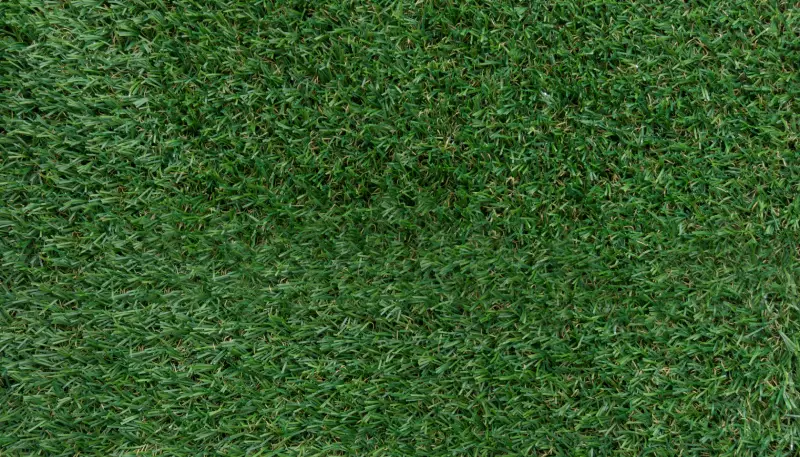
The more your lawn is used, the more pressure is placed on the grass fibres. Areas where children play, pets run, or people walk every day naturally flatten faster than the rest of the lawn.
Regular brushing turf can usually help lift the fibres, but constant use will eventually cause some wear over time.
2. Compacted or Uneven Infill
Infill plays an important role in supporting the grass fibres and helping them stay upright. As the lawn is used, the infill can become compacted or shift into certain areas, leaving the fibres with less support.
If your lawn feels flat in specific spots, uneven or compacted infill could be the cause.
3. Lack of Regular Brushing
Although artificial grass is low maintenance, it still benefits from occasional brushing. This helps separate the fibres, redistribute the infill, and restore a fuller appearance.
Without regular brushing, the fibres can gradually lean in one direction and remain flattened for longer.
4. Dust, Dirt and Debris Buildup
Over time, dust, leaves, soil, and other debris can settle between the fibres. This extra weight prevents the grass from standing upright and can make the entire lawn look dull and compressed.
Keeping the surface clean not only improves its appearance but also helps the fibres recover more easily.
Also Read: What Can Damage Artificial Grass? Causes, Prevention & Repair Guide
5. Cold Weather, Frost and Ice
During colder months, frost and ice can temporarily stiffen the grass fibres, making them appear flatter than usual. This is completely normal and doesn’t usually damage quality artificial grass.
Once temperatures rise and the surface has thawed, the fibres often regain their flexibility.
6. Heat Exposure and Flattened Fibres
Long periods of direct sunlight won’t usually damage quality artificial grass, but combined with heavy use, heat can make the fibres soften slightly and flatten more easily under pressure.
Modern artificial grass is manufactured with UV-resistant materials, but like any outdoor product, years of exposure to the elements will gradually contribute to natural wear.
Related Read: 10 Ways to Stop Artificial Grass From Getting Too Hot (Complete Cooling Guide)
Is Flat Artificial Grass Normal?
Yes, to a certain extent. It’s completely normal for artificial grass to lose a little of its upright appearance over time, particularly in busy areas of the garden.
What Happens to Artificial Grass Over Time?
As people walk across the lawn, the fibres naturally bend in the direction of use. The infill also settles, and the grass may appear less full than when it was first installed.
This gradual flattening is a normal part of the ageing process and can often be improved with simple maintenance.
Temporary Flattening vs Permanent Wear
Temporary flattening is usually caused by everyday use, furniture, or seasonal weather. In most cases, brushing the fibres and redistributing the infill will restore much of the lawn’s original appearance.
Permanent wear is different. If the fibres remain crushed after brushing, appear worn down, or have lost their resilience altogether, the grass may be approaching the end of its lifespan.
When Should You Be Concerned?
If your artificial grass stays flat despite regular brushing or the flattening is accompanied by sinking areas, poor drainage, lifting seams, or worn fibres, the issue may be more than cosmetic.
At Superior Lawn, we offer free surveys across London to assess the condition of existing artificial lawns.
Our team can determine whether the grass simply needs some attention or if a new installation would provide a better long-term solution.
Recommended Read: Why Artificial Grass Smells and How to Fix It
How Do You Fix Flat Artificial Grass?
The best way to fix flat artificial grass depends on what’s causing it. In many cases, the fibres can be restored with a few simple steps.
However, if the problem is linked to the infill or the base beneath the turf, a more permanent solution may be needed.
1. Brush the Grass Against the Pile
Brushing is the quickest and most effective way to lift flattened fibres.
Use a stiff brush with synthetic bristles and brush against the natural direction of the pile. This separates the fibres and helps them stand upright again.
For high-traffic areas, brushing every few weeks will help maintain a fuller, more natural appearance.
2. Redistribute or Top Up the Infill
The infill supports the grass fibres and prevents them from collapsing. If it has shifted or become compacted, the lawn may start looking flat.
Redistributing the existing infill, or adding more if levels are low, can improve fibre support and restore the appearance of the turf.
3. Remove Trapped Dirt and Debris
Leaves, dust, soil, and other debris can weigh down the fibres and make the lawn appear compressed.
Clear the surface regularly using a leaf blower, broom, or plastic rake, then brush the grass to help the fibres recover.
Related Read: How To Clean Artificial Grass: The Only Guide You Need
4. Rinse and Let the Fibres Dry
A light rinse with clean water removes fine dust and dirt that brushing alone may miss. Once the grass has dried, brush it again to help the fibres regain their shape.
Avoid using excessive water pressure, as this can disturb the infill or damage the turf if used incorrectly.
5. Lift High-Traffic Areas More Frequently
Areas around patios, pathways, play equipment, and seating areas flatten much faster than the rest of the lawn.
Giving these sections extra attention with regular brushing helps reduce permanent wear and keeps the lawn looking even.
Why is My Artificial Grass Flat Even After Brushing?
If brushing doesn’t improve the appearance of your lawn, the problem may be more than just flattened fibres.
Infill Has Compacted
Over time, infill naturally settles and becomes compacted, reducing the support it provides. Without enough support, the fibres struggle to stand upright even after brushing.
Fibres Have Worn Down
Artificial grass fibres gradually lose their resilience after years of heavy use. Once they become permanently bent or worn, brushing will have little effect.
The Base Has Settled
If sections of the lawn feel uneven as well as flat, the sub-base may have shifted or settled beneath the turf. In this case, simply brushing the fibres won’t solve the underlying problem.
The Turf May Be Reaching the End of Its Lifespan
Most quality artificial grass lasts between 15 and 20 years, but constant foot traffic, pets, and weather exposure can shorten its lifespan.
If your lawn remains flat despite regular care and also shows signs of fading, poor drainage, or worn fibres, it may be time to consider a replacement.
Can Compacted Infill Make Artificial Grass Flat?
Yes. Compacted infill is one of the most common reasons artificial grass loses its upright appearance.
While the grass fibres often get the blame, it’s usually the infill underneath that’s no longer providing enough support.
What Does Infill Do?
Infill is spread between the grass fibres during installation to help them stay upright, improve stability, and protect the backing from everyday wear.
As people walk across the lawn, the infill absorbs much of the pressure, helping the grass maintain its natural appearance for longer.
Signs the Infill Has Compacted
Over time, infill can settle or become compacted, particularly in areas with heavy foot traffic. Common signs include:
- Grass fibres lying flat
- Hard or uneven areas underfoot
- Low spots where the grass looks thinner
- Water draining more slowly than before
If left untreated, compacted infill can lead to faster wear and make the lawn appear older than it really is.
Will Topping Up the Infill Help?
If the turf is still in good condition, redistributing or adding fresh infill can often improve its appearance and help the fibres stand upright again.
However, if the grass remains flat after topping up the infill, the problem may lie with the sub-base or the turf itself.
Can You Prevent Artificial Grass From Turning Flat?
Although some flattening is inevitable over time, a few simple habits can keep your artificial lawn looking fuller for longer.
1. Brush the Turf Regularly
Brushing every few weeks helps lift the fibres, redistribute the infill, and prevent permanent flattening, especially in busy areas of the garden.
2. Keep the Surface Clean
Remove leaves, dust, soil, and other debris before they build up. A clean lawn not only looks better but also allows the fibres to recover more easily.
3. Move Heavy Furniture Occasionally
Leaving garden furniture, planters, or play equipment in the same position for long periods can flatten the fibres underneath. Moving heavy items occasionally helps spread the pressure more evenly across the lawn.
4. Keep Drainage Channels Clear
Blocked drainage allows moisture to sit beneath the turf, which can affect the stability of the base over time. Regularly clearing debris helps maintain good drainage and protects the long-term performance of your lawn.
5. Arrange Periodic Professional Inspections
Even if your lawn looks in good condition, occasional inspections can identify early signs of wear before they become costly problems.
Should You Replace Artificial Grass If It Stays Flat?
Not necessarily. If your artificial grass has only recently started looking flat, brushing the fibres and redistributing the infill may be enough to restore its appearance.
However, if the grass stays flat despite your efforts, it could be a sign that the fibres or the foundation have reached the end of their lifespan.
Signs Brushing Is No Longer Enough
If regular brushing no longer improves the appearance of your lawn, look out for other signs of wear, such as:
- Fibres that remain permanently flattened
- Patchy or faded colour
- Poor drainage after rainfall
- Uneven or sinking areas
- Lifting seams or edges
When several of these issues occur together, a simple fix is unlikely to provide a lasting solution.
Related Read: How Do You Know When It’s Time to Replace Artificial Grass?
When the Fibres Have Lost Their Resilience
Artificial grass fibres naturally lose some flexibility after years of use. Heavy foot traffic, pets, garden furniture, and exposure to the weather can all reduce their ability to spring back.
Once the fibres have become permanently crushed, the lawn will continue to look tired even with regular care.
When a New Installation Is the Better Investment
If your lawn is older, has widespread wear, or suffers from recurring drainage or base problems, replacing it is often more cost-effective than continually trying to improve its appearance.
At Superior Lawn, we provide premium artificial grass installation in London and offer free, no-obligation surveys across London.
We’ll assess the condition of your existing lawn and provide honest advice on whether it still has life left in it or if a new installation will deliver the best long-term value.
Frequently Asked Questions
Why is my artificial grass turning flat?
Artificial grass usually turns flat because of heavy foot traffic, compacted infill, lack of brushing, or natural wear over time. Weather conditions, heavy furniture, and debris buildup can also contribute to flattened fibres.
Can you make artificial grass stand up again?
Yes. In many cases, brushing against the direction of the pile and redistributing the infill can help the fibres stand upright again. If the fibres are permanently worn or crushed, however, brushing may have little effect.
Does frost damage artificial grass?
No. Frost doesn’t normally damage quality artificial grass. It can temporarily make the fibres appear flatter or stiffer, but they usually return to normal once the frost has thawed.
Should I brush artificial grass in winter?
Yes, but only when the grass is free from frost and ice. Brushing frozen fibres can put unnecessary stress on the turf, so it’s best to wait until the surface has thawed completely.
Why is my artificial grass flat after rain?
Rain can temporarily weigh down the fibres, but if the grass stays flat long after drying, the issue may be compacted infill, poor drainage, or a problem with the sub-base beneath the turf.
Can adding infill fix flat artificial grass?
It can, provided the existing turf is still in good condition. Adding or redistributing infill helps support the fibres, but it won’t solve problems caused by worn-out grass or a failing foundation.
How often should artificial grass be brushed?
For most gardens, brushing every few weeks is enough. Lawns with children, pets, or heavy foot traffic may benefit from more frequent brushing to keep the fibres upright and evenly supported.
Does flat grass mean it needs replacing?
Not always. Many cases of flat artificial grass can be improved with brushing and proper care. However, if the fibres remain permanently flattened or the lawn also has drainage, base, or structural issues, replacement may be the better long-term option.