
Artificial grass is designed to be a long-lasting, low-maintenance alternative to natural lawns. With proper installation and regular care, a quality artificial lawn can last 15 to 20 years.
However, heavy foot traffic, changing weather conditions, pets, and poor installation can all shorten its lifespan.
Over time, even the best artificial grass starts to show signs of wear. The fibres may flatten, the colour can fade, drainage may become less effective, and the backing can begin to deteriorate.
Recognising these warning signs early can help you decide whether a simple repair will solve the problem or if it’s time for a full artificial grass replacement.
At Superior Lawn, we regularly help homeowners across London assess the condition of their artificial lawns.
In this guide, we’ll explain how long artificial grass usually lasts, the most common signs you need to replace artificial grass, and when investing in a new lawn is the smarter long-term choice.
- So… Is Artificial Grass Truly Safe for Children?
- What Makes Artificial Grass Safe for Children?
- How to Create a Child-Safe Artificial Grass Play Zone
- FAQs: What Every Parent Wants to Know
- Can kids play barefoot on artificial grass?
- Will artificial grass give my child rug burns?
- What if my child spills food or gets sick on the grass?
- Is it safe for babies and toddlers?
- Does artificial grass smell?
- Is it safe under the playground equipment?
- Will it help with allergies?
- Does artificial grass get too hot in summer?
Table of Contents
ToggleHow Long Does Artificial Grass Usually Last?
The lifespan of artificial grass depends on its quality, how it’s installed, and how well it’s maintained. While most modern artificial lawns are built to withstand years of daily use, they won’t last forever.
Average Lifespan
A high-quality artificial lawn typically lasts 15 to 20 years, although premium range turf may last even longer with the right care. Lower-quality turf or poorly installed grass may need replacing much sooner.
The exact lifespan also depends on how the lawn is used. A decorative front garden will usually experience less wear than a family garden where children and pets play every day.
Factors That Affect Durability
Several factors can influence how quickly artificial grass wears out, including:
- The quality of the turf and backing materials
- Professional versus DIY installation
- Daily foot traffic
- Pets and regular outdoor activities
- Exposure to strong sunlight and changing weather
- Routine artificial grass maintenance
Keeping the lawn clean, brushing the fibres regularly, and dealing with drainage issues early can all help extend the life of your artificial grass.
Also Read: How Often Should You Brush Artificial Grass? The Complete Guide
When Replacement Becomes Necessary
Small problems like minor stains, loose seams, or isolated damage can often be repaired.
However, if your lawn has widespread wear, poor drainage, cracked backing, or flattened fibres that no longer recover, replacing the turf is usually the better investment.
At Superior Lawn, we often advise homeowners to consider artificial grass replacement in London when repairs become frequent, or the overall condition of the lawn starts affecting its appearance, performance, and safety.
A new installation not only restores the look of your garden but also improves drainage, durability, and long-term value.
What Are the Signs You Need to Replace Artificial Grass?
Artificial grass doesn’t need replacing the moment it starts showing signs of wear.
In many cases, small issues can be repaired.
However, if several of the following problems appear at the same time, it may be time to consider a full artificial grass replacement.
1. Your Grass Looks Flat and Won't Spring Back
Artificial grass fibres naturally flatten over time, especially in areas with heavy foot traffic. Regular brushing should help them stand upright again.
If the fibres remain permanently flat or matted despite brushing, it’s a sign the turf has reached the end of its lifespan. Flattened grass not only looks worn but can also affect the overall appearance of your garden.
2. The Colour Has Faded or Looks Patchy
Quality artificial grass is made with UV-resistant fibres, but years of sunlight and weather exposure can eventually cause the colour to fade.
If your lawn looks patchy, dull, or noticeably different from when it was first installed, replacing the turf may be the best way to restore a natural-looking finish.
Related Read: 10 Ways to Stop Artificial Grass From Getting Too Hot
3. Tears, Holes or Worn Areas Are Appearing
Small cuts can sometimes be repaired, but larger tears, worn patches, or holes usually indicate that the turf has experienced significant wear.
These damaged areas can become trip hazards and allow weeds, dirt, and moisture to reach the backing underneath.
4. The Seams Are Coming Apart
The joins between sections of artificial grass should remain secure for many years. If the seams begin separating or lifting, water and debris can get underneath the turf, making the problem worse over time.
While isolated seam damage can often be repaired, multiple failing joins usually suggest the lawn is nearing the end of its life.
5. Water Is No Longer Draining Properly
One of the biggest warning signs is poor drainage. If rainwater starts pooling on the surface or takes much longer to drain away, the backing, infill, or sub-base may no longer be performing as it should.
Persistent artificial grass drainage problems can lead to moss, unpleasant odours, and a slippery surface, making replacement a better long-term solution.
6. The Edges Are Lifting or Curling
Lifting edges make artificial grass look untidy and can quickly become a safety hazard.
This often happens as adhesives weaken over time or the backing begins to deteriorate. If several edges are lifting, replacing the lawn is often more cost-effective than carrying out repeated repairs.
7. The Backing Is Cracking or Becoming Brittle
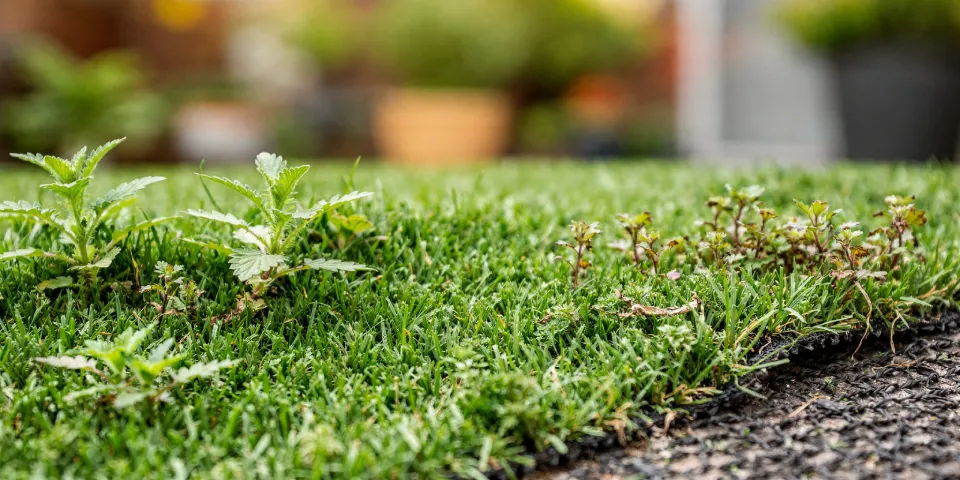
The backing is what holds the grass fibres in place. As it ages, exposure to sunlight, moisture, and temperature changes can cause it to become brittle or crack.
Once the backing starts breaking down, the turf becomes much harder to repair and is more likely to continue deteriorating.
8. Bad Smells Remain Even After Cleaning
Artificial grass should stay fresh with regular maintenance. If unpleasant smells remain even after deep cleaning, the issue may be trapped bacteria, worn backing, or poor drainage beneath the turf.
This is particularly common in older lawns that have been heavily used by pets. In these cases, replacing fake grass is often more effective than repeated cleaning treatments.
At Superior Lawn, we regularly inspect worn artificial grass across London to determine whether it can be repaired or if a complete artificial lawn replacement will provide better long-term value.
A professional assessment can help you avoid unnecessary repairs and ensure your lawn continues to look and perform at its best.
Can Artificial Grass Be Repaired Instead of Replaced?
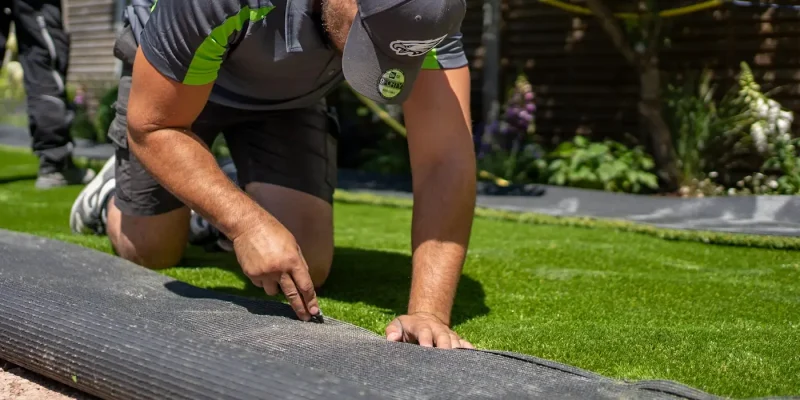
Not every problem means you need a new lawn. In many cases, artificial grass can be repaired, helping you extend its lifespan and avoid the cost of a full replacement.
The best option depends on the type and extent of the damage.
A professional inspection can help determine whether a repair is enough or if a complete artificial grass replacement will provide better long-term value.
Problems That Can Usually Be Repaired
Many minor issues can be fixed without replacing the entire lawn, including:
- Small tears or punctures
- Loose or lifting seams
- Flattened fibres that respond to power brushing
- Areas with low or compacted infill
- Minor stains or isolated damage
These repairs are often quick and cost-effective, especially if the rest of the lawn is still in good condition.
When Replacement Is the Better Option
Replacement is usually the smarter choice when the damage is widespread or the turf has reached the end of its artificial grass lifespan.
You should consider replacing your lawn if:
- The backing is cracked or deteriorating
- Large sections are worn or damaged
- Drainage problems keep returning
- The grass has faded significantly
- Repairs are becoming frequent and expensive
If repairs are only delaying the inevitable, investing in a new lawn can save money and provide better performance for years to come.
What Causes Artificial Grass to Wear Out Faster?
Although artificial grass is built to withstand daily use, certain factors can reduce its lifespan if they aren’t addressed.
Heavy Foot Traffic
Gardens that see constant use from children, pets, or regular entertaining naturally experience more wear. High-traffic areas often become flattened much sooner than the rest of the lawn.
Using stepping stones in frequently used pathways and brushing the turf regularly can help reduce uneven wear.
Poor Installation
Even premium artificial grass can fail early if it isn’t installed correctly. An uneven sub-base, poor drainage, or weak joins can lead to lifting edges, water pooling, and premature damage.
Professional installation provides a stable foundation that helps the lawn perform as intended for many years.
Lack of Maintenance
Artificial grass is low maintenance, but it isn’t maintenance-free. Leaves, dirt, and organic debris can build up over time, affecting drainage and encouraging moss, algae, and bacteria.
A simple maintenance routine, such as brushing the fibres and removing debris regularly, helps keep the lawn looking its best and extends its lifespan.
UV Exposure and Weather
Modern artificial grass is manufactured with UV protection, but years of exposure to sunlight, heavy rain, frost, and changing temperatures will eventually affect its appearance.
Over time, the fibres may lose colour, while the backing can become less flexible as it ages.
Pets and Garden Furniture
Pets and heavy outdoor furniture can both contribute to faster wear. Repeated pressure from furniture may permanently flatten the fibres, while pet use can increase the risk of odours if the lawn isn’t cleaned regularly.
Moving furniture occasionally and cleaning pet areas promptly can help keep your artificial lawn in excellent condition for longer.
Read More: Best Time of Year to Install Artificial Grass in the UK
How Can You Make Artificial Grass Last Longer?
With a little routine care, you can significantly extend the lifespan of your artificial grass and keep it looking its best for years. Regular maintenance also helps you avoid costly repairs or an early replacement.
Brush the Turf Regularly
Brushing the grass every few weeks helps lift the fibres, redistribute the infill, and prevent the surface from becoming flat. Pay extra attention to areas that receive the most foot traffic, such as pathways, play areas, and seating spaces.
A stiff brush with synthetic bristles is ideal, as metal brushes can damage the grass fibres.
Remove Debris Before It Builds Up
Leaves, twigs, and other garden debris can trap moisture and block drainage if left on the surface for too long. Over time, this can encourage moss, algae, and unpleasant odours.
Using a leaf blower, plastic rake, or broom to clear debris regularly will help keep your lawn clean and improve drainage.
Clean Spills and Pet Waste Promptly
Food spills, drink stains, and pet waste should be cleaned as soon as possible. This prevents bacteria, lingering smells, and permanent staining while keeping the lawn hygienic for children and pets.
A quick rinse with water is usually enough for most spills, while mild artificial grass cleaners can be used for tougher marks.
Schedule Professional Maintenance
Even with regular care, artificial grass benefits from occasional professional maintenance. Deep cleaning removes compacted debris, restores flattened fibres, checks drainage, and identifies small issues before they become expensive repairs.
At Superior Lawn, we recommend professional artificial grass maintenance every 12 to 18 months to help homeowners across London maximise the lifespan of their lawn.
Detailed Read: How to Maintain Artificial Grass for 10+ Years (Realistic Lifespan Guide)
Should You Replace Artificial Grass Yourself or Hire a Professional?
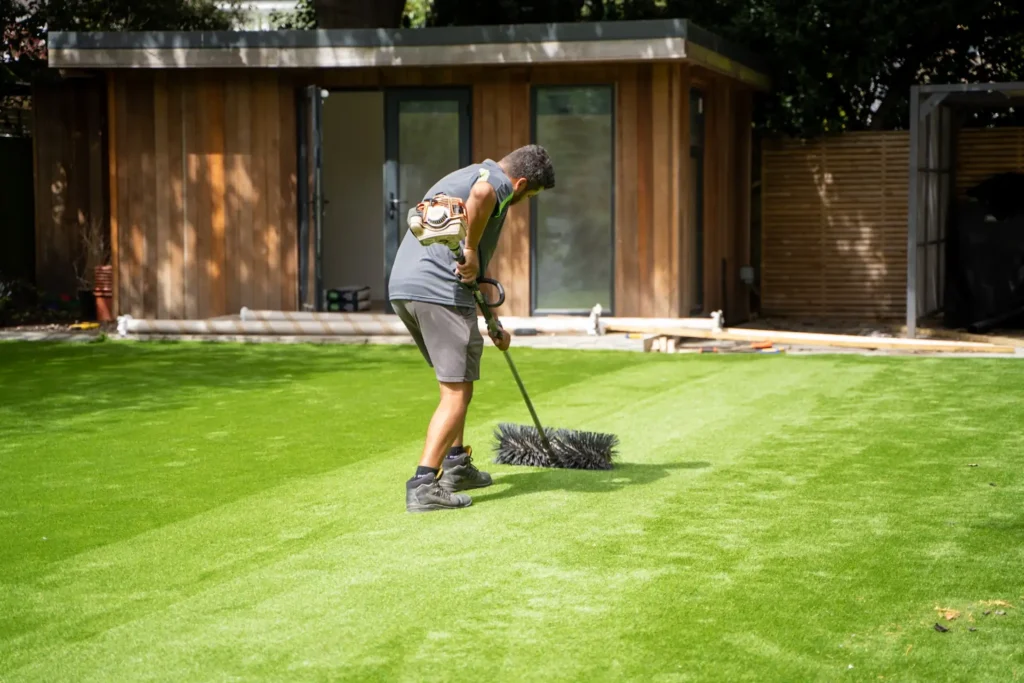
Replacing artificial grass is a significant project that involves much more than simply laying new turf. While DIY replacement is possible, professional installation usually delivers a longer-lasting and better-looking result.
DIY Replacement
DIY replacement may be suitable for very small areas if you have the right tools and experience. However, preparing the base, ensuring proper drainage, joining seams correctly, and securing the edges all require precision.
Mistakes during installation can reduce the lifespan of the new lawn and lead to problems such as uneven surfaces or poor drainage.
Benefits of Professional Installation
Choosing a professional installer offers several advantages:
- Proper ground preparation and drainage
- Accurate seam joining for a seamless finish
- Correct infill installation
- A longer-lasting, more durable lawn
- Manufacturer-backed workmanship and product warranties
Professional installation also helps you get the most from your investment and reduces the risk of future repairs.
When It's Best to Call an Expert
If your lawn has widespread damage, recurring drainage issues, lifting seams, or a deteriorating backing, it’s worth getting a professional assessment before deciding what to do next.
At Superior Lawn, we provide honest advice on whether your lawn can be repaired or if a complete artificial grass replacement in London is the more cost-effective solution.
Our team can assess the condition of your existing turf and recommend the option that delivers the best long-term value for your garden.
Frequently Asked Questions
How long does artificial grass last?
A high-quality artificial lawn typically lasts 15 to 20 years with proper installation and regular maintenance. Factors such as foot traffic, weather, pets, and the quality of the original installation can all affect its lifespan.
How do I know if my artificial grass needs replacing?
Some of the most common signs include flattened fibres that won’t recover, faded colour, torn or damaged areas, lifting seams, poor drainage, cracked backing, and persistent odours that remain even after cleaning. If several of these issues appear together, it may be time to replace your artificial grass.
Can worn artificial grass be repaired?
Yes, minor issues such as small tears, loose seams, or compacted infill can often be repaired. However, if the damage is widespread or the backing has started to deteriorate, a full replacement is usually the more cost-effective solution.
Can faded artificial grass be restored?
Unfortunately, faded artificial grass cannot usually be restored to its original colour. While cleaning can improve its appearance by removing dirt and stains, significant UV fading is permanent and often means the turf is nearing the end of its lifespan.
Is it cheaper to repair or replace artificial grass?
It depends on the condition of the lawn. Small repairs are generally less expensive than replacing the entire surface. However, if you’re paying for frequent repairs or multiple areas are damaged, a complete artificial grass replacement often provides better long-term value.
Does poor drainage mean I need new artificial grass?
Not always. Poor drainage can sometimes be caused by blocked drainage holes, compacted infill, or debris trapped beneath the surface, which can often be fixed. If the problem is due to a failing sub-base or deteriorating backing, replacing the lawn may be the better option.
Can old artificial grass be recycled?
Some types of artificial grass can be recycled, depending on the materials used and local recycling facilities. If recycling isn’t available, your installer may be able to recommend the most environmentally responsible disposal option when replacing your lawn.