
Artificial grass is designed to be low maintenance, but eventually every artificial lawn needs cleaning.
Leaves build up, pet areas develop smells, moss can appear in shaded spots, and dirt starts sitting between the fibres over time.
That’s usually when homeowners start wondering:
Can you pressure wash artificial grass safely?
The short answer is yes, but carefully.
Pressure washing artificial grass is possible, but using too much pressure or the wrong technique can damage the turf underneath.
In some cases, homeowners accidentally loosen seams, remove infill, flatten fibres, or create drainage issues simply by cleaning too aggressively.
We’ve seen this happen more often with powerful domestic pressure washers that weren’t really designed for synthetic turf surfaces.
The good news is that artificial grass can usually be cleaned safely if the pressure is kept low and the correct method is used.
In this guide, we’ll explain when pressure washing artificial grass is safe, the risks involved, how to clean fake grass properly, and the safest alternatives for routine maintenance.
- So… Is Artificial Grass Truly Safe for Children?
- What Makes Artificial Grass Safe for Children?
- How to Create a Child-Safe Artificial Grass Play Zone
- FAQs: What Every Parent Wants to Know
- Can kids play barefoot on artificial grass?
- Will artificial grass give my child rug burns?
- What if my child spills food or gets sick on the grass?
- Is it safe for babies and toddlers?
- Does artificial grass smell?
- Is it safe under the playground equipment?
- Will it help with allergies?
- Does artificial grass get too hot in summer?
Table of Contents
ToggleIs It Safe to Pressure Wash Artificial Grass?
Yes, artificial grass can usually be pressure-washed safely if the pressure is kept relatively low and the cleaning is done carefully.
For most modern artificial lawns, occasional pressure washing won’t immediately damage the turf. In fact, it can help remove dirt buildup, moss, algae, and pet-related residue in certain situations.
But here’s the important part:
Artificial grass is not designed to handle aggressive, high-pressure cleaning the same way concrete or paving can.
The backing system, joins, infill, and fibres underneath the surface are much more sensitive than many homeowners realise.
Most artificial grass damage caused by pressure washing happens because:
- the PSI is too high
- the nozzle is held too close
- a narrow jet setting is used
- the seams are already weak underneath
This is especially common on older lawns where the turf has already experienced wear over several years.
For routine cleaning, pressure washing usually isn’t necessary at all. In many cases, a stiff brush, garden hose, and occasional artificial grass cleaner are safer and more than enough to keep the lawn looking good.
Also Read: What Can Damage Artificial Grass? Causes, Prevention & Repair Guide
Can Pressure Washing Damage Artificial Grass?
It can.
Pressure washing doesn’t automatically ruin artificial grass, but incorrect cleaning methods absolutely can create problems over time.
In many cases, the damage isn’t visible immediately after cleaning. The lawn may initially look cleaner, but aggressive pressure washing can weaken parts of the turf system underneath the surface.
This becomes more noticeable later as the lawn starts shifting, flattening, or draining poorly.
Damage to Infill
Many artificial grass installations include kiln-dried silica sand or other infill materials to help support the fibres and stabilise the lawn.
High-pressure washing can displace this infill surprisingly quickly.
Once the infill becomes uneven, homeowners may notice:
- flattened areas
- soft spots
- reduced fibre support
- uneven appearance
- faster wear in higher-traffic areas
We’ve seen some lawns lose significant amounts of infill after repeated jet washing, especially where the nozzle was used too closely.
Lifted Seams and Edges
The seams and perimeter edges are often the most vulnerable parts of an artificial lawn during pressure washing.
If water pressure gets underneath the joins, it can gradually weaken the adhesive or lifting points holding the turf together.
This is more common with:
- older artificial grass
- DIY installations
- poorly secured edges
- lawns with existing seam movement
Once the joins begin lifting, repairs can become much more difficult later.
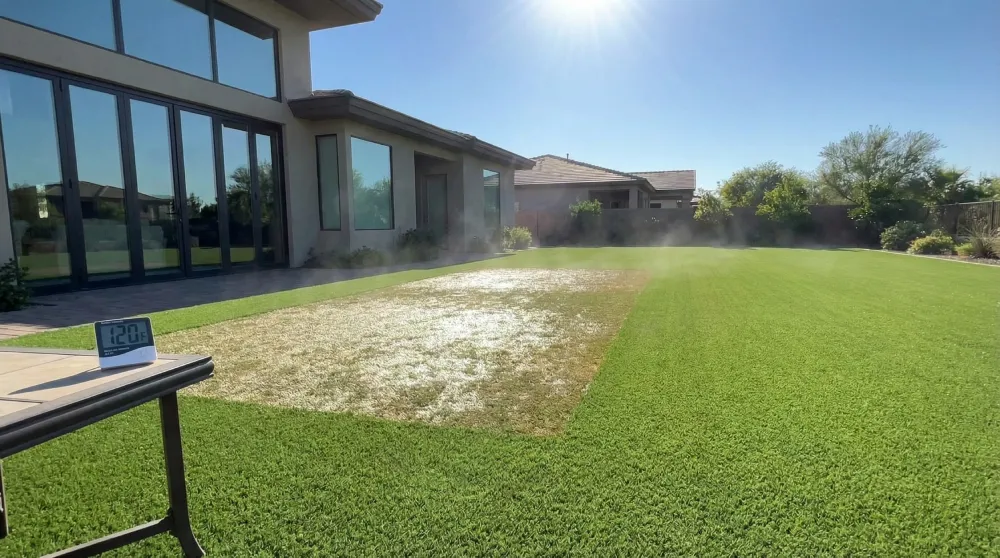
Flattened Grass Fibres
Artificial grass fibres are designed to stay upright with regular brushing and support from the infill underneath.
Aggressive pressure washing can force the fibres flat, especially if the spray is directed too closely against the grain of the turf.
This may leave parts of the lawn looking:
- Matted
- Worn
- less natural
- uneven in colour or texture
In some cases, homeowners accidentally create visible pressure-washing lines across the lawn surface.
Recommended Read: How to Maintain Artificial Grass for 10+ Years (Realistic Lifespan Guide)
What PSI Is Safe for Artificial Grass?
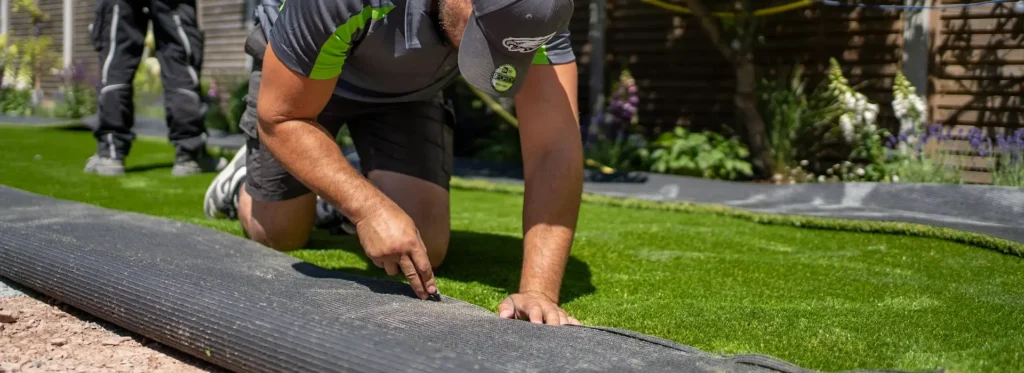
Lower pressure is always safer for artificial grass. In most cases, staying below around 1500 PSI is considered the safest option for cleaning synthetic turf.
But technique matters just as much as pressure itself. Holding the nozzle too close or concentrating the spray in one area can still damage the infill, seams, and grass fibres.
Most professional artificial grass installers recommend using a wide fan spray and keeping the wand moving constantly. The goal is to gently rinse the surface, not blast the turf aggressively.
When Should You Avoid Pressure Washing Artificial Grass?
There are situations where pressure washing artificial grass carries much higher risk.
In these cases, gentler cleaning methods are usually the better option.
Newly Installed Turf
Freshly installed artificial grass needs time to fully settle.
Pressure washing too soon after installation can disturb the infill, loosen the surface slightly, or place unnecessary stress on the seams before everything has fully stabilised.
Loose Seams or Edges
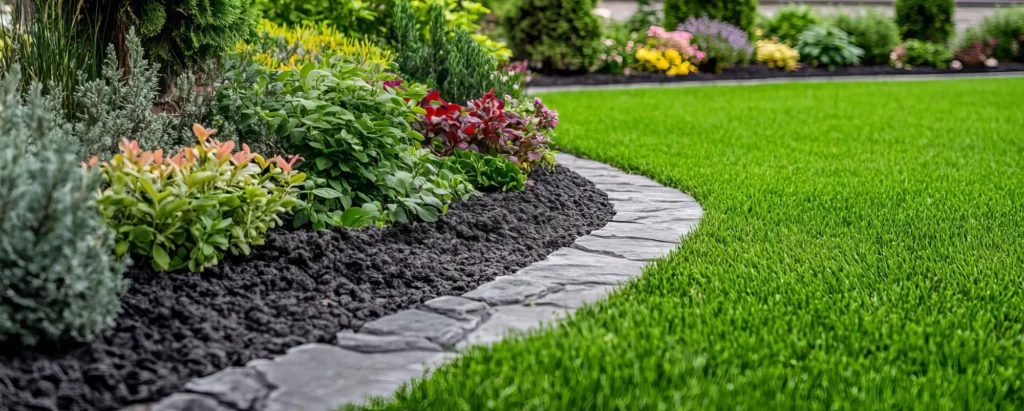
If parts of the lawn are already lifting slightly, pressure washing can make the problem worse very quickly.
Water forced underneath weak seams can gradually separate the joins further over time.
Any loose edges should ideally be repaired before pressure washing is attempted.
High-Powered Pressure Washers
Some industrial or heavy-duty domestic pressure washers are simply too powerful for artificial turf.
Machines designed for concrete cleaning can easily damage synthetic grass if used incorrectly.
Rotary patio attachments can be especially aggressive because they concentrate pressure repeatedly across the same area.
We’ve seen these attachments flatten fibres surprisingly fast on certain lawns.
Read More: Artificial Grass vs Real Grass: Which Is Better in 2026?
How to Pressure Wash Artificial Grass Safely
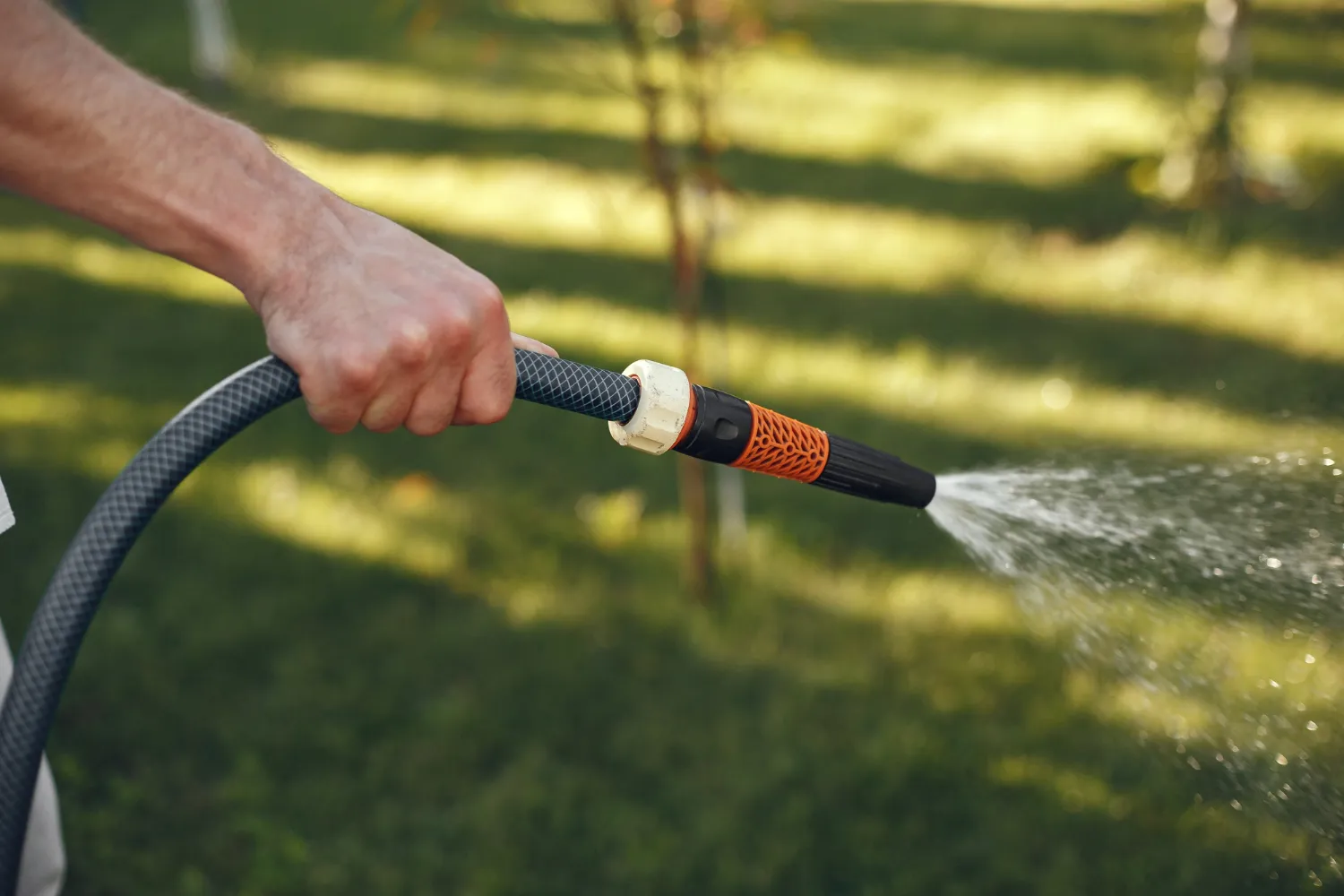
If you decide to pressure wash artificial grass, using the correct technique matters far more than cleaning aggressively.
Remove Debris First
Before using any water, remove leaves, twigs, pet waste, and loose debris from the lawn surface. This prevents dirt from being pushed deeper into the fibres during cleaning.
Use a Wide Spray Nozzle
Always use a fan-style spray setting rather than a concentrated jet nozzle. A wider spray distributes pressure more evenly across the surface and reduces the risk of damage.
Keep a Safe Distance
Avoid holding the pressure washer too close to the turf. Keeping some distance between the nozzle and the grass helps prevent infill movement and fibre damage.
The spray should clean the surface gently rather than forcefully blasting it.
Brush the Grass Afterwards
Once the lawn dries, brushing the fibres helps lift the grass back upright and redistribute the infill evenly again. This step is especially important in higher-traffic areas where the fibres may flatten slightly after washing.
Can You Use a Karcher on Artificial Grass?
Yes, many homeowners use Karcher pressure washers on artificial grass successfully, but the same precautions still apply.
The safest approach is using:
- a low-pressure setting
- a wide spray pattern
- moderate cleaning distance
- gentle movement across the turf
Avoid aggressive rotary patio attachments or turbo nozzles designed for hard surfaces.
Artificial grass simply doesn’t need that level of pressure.
In many cases, the safest Karcher setup is the gentlest one available.
Does Pressure Washing Remove Dog Urine Smells?
Sometimes, but not always completely.
Pressure washing can help rinse away surface residue and improve odours temporarily, especially in pet areas where urine buildup has accumulated over time.
But persistent smells are usually caused by bacteria and organic residue sitting deeper within the turf and infill system.
In these situations, pressure washing alone may not fully solve the problem.
For stronger odours, enzyme-based artificial grass cleaners are often much more effective because they break down the bacteria causing the smell rather than simply rinsing the surface.
Regular rinsing also helps prevent odours from building up in the first place.
Related Read: Why Artificial Grass Smells and How to Fix It
Better Ways to Clean Artificial Grass
For most homeowners, routine artificial grass cleaning doesn’t require pressure washing at all.
Garden Hose Cleaning
A simple garden hose is often enough to rinse away dust, pollen, and light dirt buildup.
This is usually the safest method for regular maintenance cleaning.
Brushing the Turf
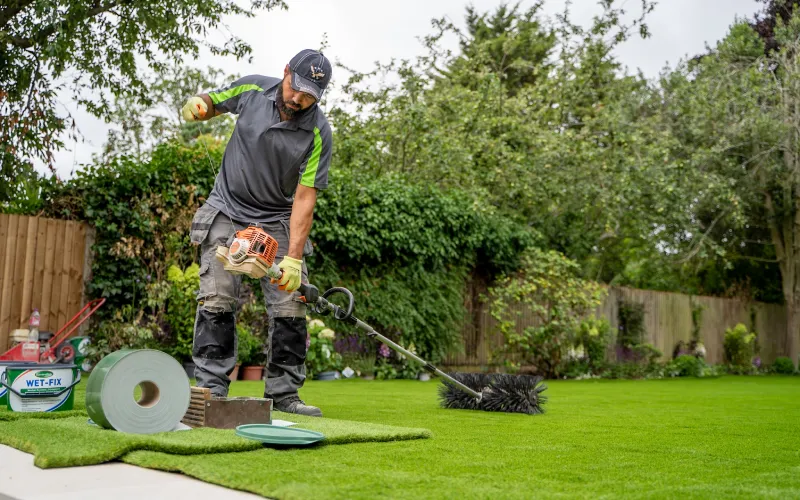
Brushing helps lift flattened fibres, remove surface debris, and keep the lawn looking more natural. A stiff brush or artificial grass power broom usually works best.
Artificial Grass Cleaners
Artificial grass cleaning products can help remove bacteria, pet smells, moss, and algae safely without risking damage from excessive pressure.
Many are specifically designed for synthetic turf surfaces and safer for regular use.
Professional Artificial Grass Cleaning
For heavily used lawns, pet areas, or older artificial turf, professional cleaning can sometimes be worthwhile.
Professional artificial grass cleaning services often include:
- deep cleaning
- power brushing
- infill redistribution
- odour treatment
- moss and algae removal
- drainage inspection
This can help restore the appearance of older lawns without the risks associated with aggressive DIY pressure washing.
In many cases, professional cleaning is safer than repeatedly using a powerful domestic pressure washer incorrectly.
Frequently Asked Questions
Can you jet wash artificial grass?
Yes, but carefully. Artificial grass can usually handle low-pressure washing if a wide spray nozzle and a safe cleaning distance are used.
Can you pressure wash Astroturf?
Yes. Most synthetic turf surfaces can be pressure-washed occasionally, although lower pressure settings are always safer.
Will pressure washing damage fake grass?
It can if the pressure is too high or the nozzle is held too close. Common problems include displaced infill, lifted seams, and flattened fibres.
What is the safest way to clean artificial grass?
For most lawns, regular brushing and rinsing with a garden hose are the safest routine cleaning methods.
How often should artificial grass be cleaned?
Most artificial lawns benefit from light cleaning every few weeks, with deeper cleaning occasionally, depending on pets, weather conditions, and overall usage.