
Most people install artificial grass expecting it to last 10 years or more.
And it can.
But here’s what we see all the time—some lawns still look great after a decade, while others start wearing out in half that time.
The difference usually isn’t the grass itself. It’s how it’s installed, how it’s used, and how consistently it’s maintained.
At Superior Lawn, we’ve worked on everything from fresh installations to replacing lawns that failed early. In most cases, the lifespan comes down to a few simple factors that are often overlooked.
If you understand those, keeping your lawn in good shape becomes much more straightforward.
- So… Is Artificial Grass Truly Safe for Children?
- What Makes Artificial Grass Safe for Children?
- How to Create a Child-Safe Artificial Grass Play Zone
- FAQs: What Every Parent Wants to Know
- Can kids play barefoot on artificial grass?
- Will artificial grass give my child rug burns?
- What if my child spills food or gets sick on the grass?
- Is it safe for babies and toddlers?
- Does artificial grass smell?
- Is it safe under the playground equipment?
- Will it help with allergies?
- Does artificial grass get too hot in summer?
Table of Contents
ToggleCan Artificial Grass Really Last 10+ Years?
Yes—but only under the right conditions.
When people hear “10+ years,” they often assume the lawn will look the same the whole time. That’s not realistic. What it really means is the grass should stay functional, even, and presentable over that period.
Some wear is normal. Fibres may soften slightly, and busy areas might flatten a bit. That’s expected with regular use.
Where things go wrong is usually not the product—it’s everything around it.
Installation plays a bigger role than most people think. A well-prepared base with proper drainage will outlast a premium product laid on poor groundwork.
That’s why, at Superior Lawn, we focus just as much on the groundwork as we do on supplying high-quality artificial grass in London.
And beyond installation, it comes down to upkeep. Small issues—like compacted areas or debris build-up—don’t stay small if they’re ignored.
Related Read: How Long Does Artificial Grass Actually Last? What Affects Its Lifespan
What Actually Shortens the Lifespan of Artificial Grass
Most problems don’t come out of nowhere. They build up from a few things people either miss or underestimate.
It starts with the base
If the installation isn’t solid, nothing on top will last. Weak base layers lead to sinking areas, poor drainage, and edges lifting over time.
Too much pressure in the same spots
Lawns don’t wear evenly. Dog paths, play areas, and seating zones take the hit first. That’s where flattening and compaction show up early.
Debris that’s left too long
Leaves and dirt don’t just sit there—they break down. In UK conditions, that quickly turns into moss, algae, and blocked drainage.
Unexpected heat exposure
Reflected sunlight from glass can create intense heat in small areas. It’s not common, but when it happens, it damages fibres fast.
Cleaning that does more harm than good
Overdoing it is just as bad as neglect. Harsh chemicals or aggressive pressure washing slowly weaken the surface.
The Core Maintenance System (The 4 Pillars)
You don’t need a complicated routine. You just need to stay consistent with the basics that actually make a difference.
Keep it clean (weekly)
Most of the work is just keeping things from building up—clearing leaves, rinsing dust, and dealing with pet waste properly.
Lift the fibres back up (every few weeks)
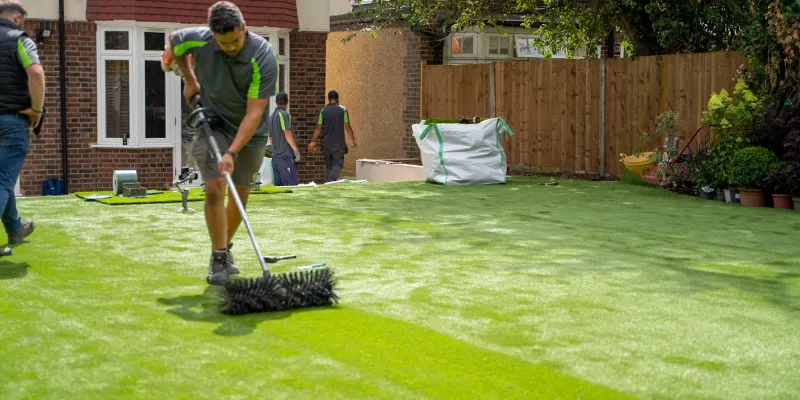
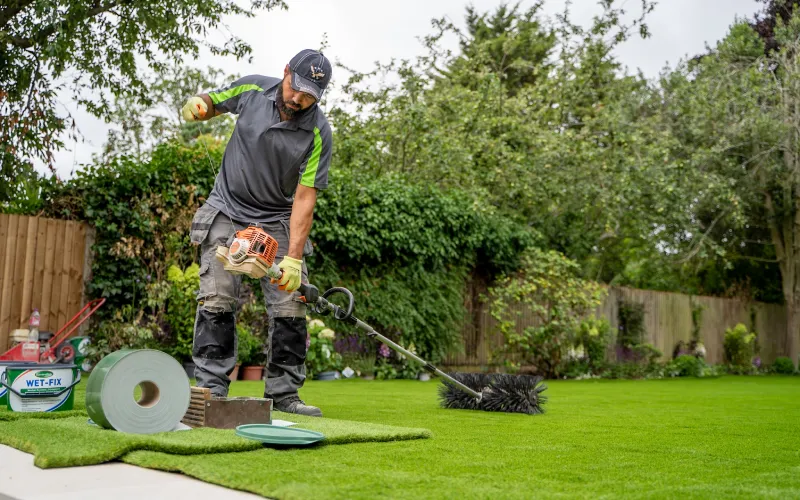
Flattening is normal. Brushing brings the grass back to life and keeps it looking even across the whole lawn.
Reset it seasonally
A proper clean in spring and autumn clears out what regular maintenance misses—especially moss and organic build-up.
Check before problems grow (twice a year)
Loose edges, slight dips, slow drainage—these are easy fixes early on. Left alone, they’re what shorten lifespan the most.
Also Read: 5 Best Ways to Maintain Your Artificial Grass Lawn
Seasonal Maintenance Guide (UK Weather Focused)
In the UK, maintenance naturally shifts with the seasons.
Spring is about clearing what winter leaves behind. Pollen, debris, and early moss need attention, along with brushing fibres back into shape.
Summer brings more use. Furniture stays in place longer, and certain areas take more pressure. It’s also worth keeping an eye on heat reflection near windows or doors.
Autumn is where consistency really matters. Leaves can build up quickly, and if they sit too long, they break down into the surface and affect drainage. Staying on top of this makes a big difference.
Winter is mostly about avoiding damage. Artificial grass handles cold well, but walking on frozen fibres or compacting snow repeatedly can affect its structure.
Read More: 10 Ways to Stop Artificial Grass From Getting Too Hot (Complete Cooling Guide)
How to Protect Artificial Grass from High-Traffic Damage
Wear usually shows up in the same places.
Instead of letting that build up, small changes make a difference. Moving furniture occasionally, shifting play areas, or even slightly changing how the space is used can prevent one section from taking all the pressure.
You don’t need to limit how the garden is used—just avoid repeating the same stress points every day.
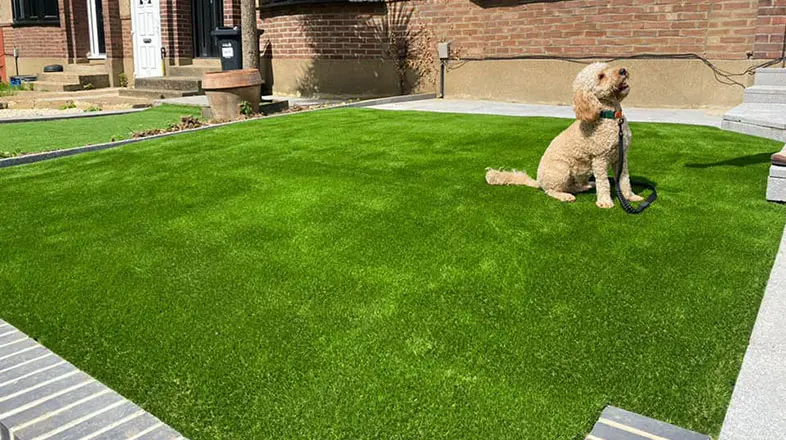
Pet & Kid Maintenance Tips (If You Have Dogs or Children)
Artificial grass works well for family gardens, but it does need a bit of routine care.
With pets, the focus is on hygiene. Regular rinsing helps prevent odours, and using gentle, grass-safe cleaning products keeps the surface clean without damaging it.
With children, it’s more about general wear. Dragging heavy items or sharp objects across the surface can affect fibres over time. Keeping things simple and balanced usually avoids problems.
Related Read: What are the Pros and Cons of Artificial Grass with Dogs? (Dog Owner’s Guide 2026 Updated)
Cleaning Mistakes That Quietly Destroy Artificial Grass
Most long-term damage comes from habits that seem harmless at first.
Pressure washing too close to the surface can disturb the structure. Strong chemicals like bleach can weaken fibres. And letting stains or debris sit too long allows gradual deterioration to set in.
These aren’t instant problems—but over the years, they shorten the lifespan more than people expect.
Also Read: How To Clean Artificial Grass: The Only Guide You Need
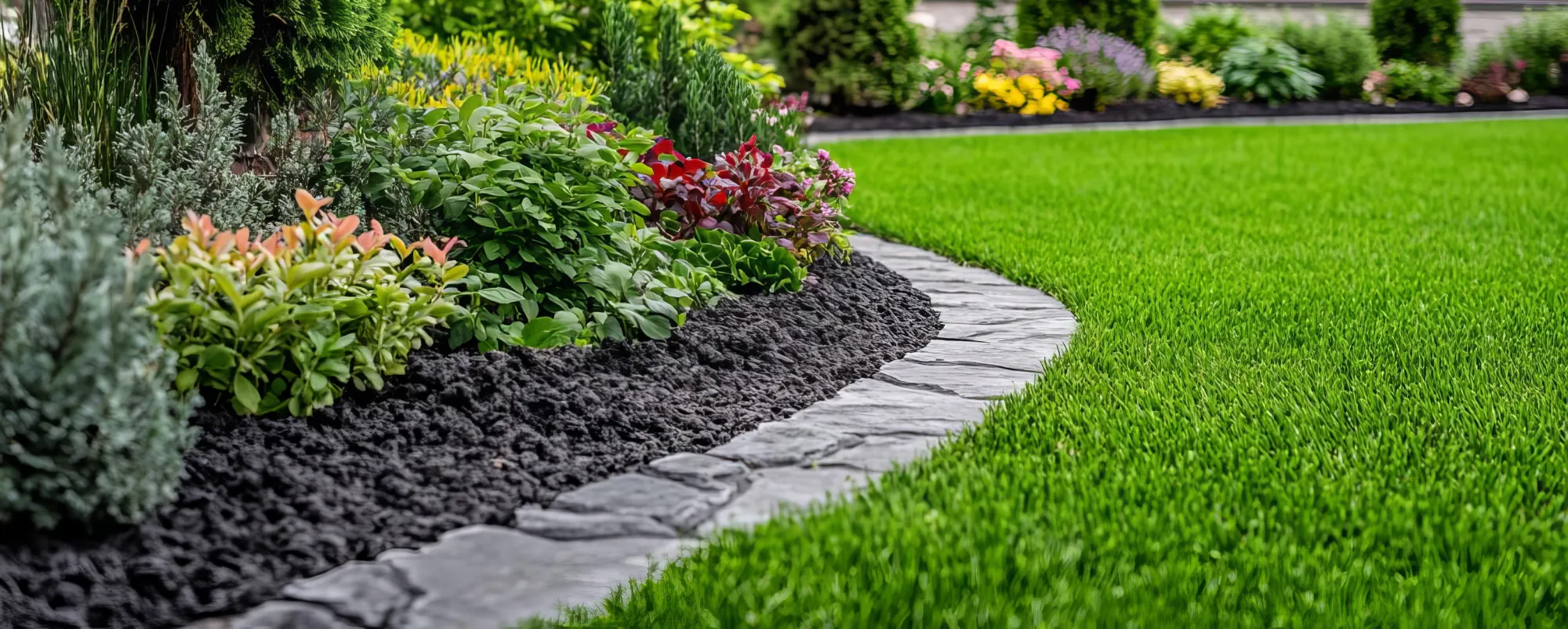
How to Extend Artificial Grass Beyond 10 Years
Getting past the 10-year mark usually isn’t about doing more work—it’s about staying consistent with the right habits and avoiding the small things that quietly wear the lawn down over time.
A lot of long-lasting installations share the same pattern. They’re not perfect or high-maintenance. They’re just looked after in a steady, simple way, and nothing is left to build up for too long.
The key areas that make the difference are:
-
Keeping infill levels stable
Over time, the infill naturally shifts or settles. Topping it up when needed helps maintain support for the fibres and keeps the surface feeling more even. -
Protecting high-pressure zones
Any fixed weight or repeated use in one area slowly changes how the grass behaves. Spreading out furniture or slightly rotating use helps reduce long-term flattening. -
Staying ahead of edge movement
Edges are usually the first place small issues start. Checking them occasionally and securing anything that loosens early prevents bigger structural problems later. -
Being consistent with seasonal upkeep
It doesn’t need to be intensive. It just needs to be regular enough that debris, moisture, and early signs of wear don’t get time to settle in.
This is also where product choice plays a role. At Superior Lawn, we often see a clear difference between standard and premium installations over time.
Higher-quality premium artificial grass holds its structure better under real garden use, especially when paired with proper installation and basic maintenance.
If both of those are right from the start, reaching well beyond 10 years becomes realistic rather than exceptional.
Signs Your Artificial Lawn Is Ageing (And What You Can Do)
Even with proper care, artificial grass will show signs of age over time.
You might notice fibres that don’t lift back up, slower drainage after rain, or seams starting to separate. Some colour fading is also normal due to long-term UV exposure.
The key is spotting what can still be improved early, before it turns into a larger issue.
When Maintenance Is No Longer Enough
There comes a point where maintenance alone won’t fix the problem.
If the base has shifted, drainage issues are widespread, or large areas are worn out, replacement may be the more practical option. In some cases, partial repairs work—but only when the issue is limited to a specific area.
A proper assessment usually makes that decision clearer.
Final Thoughts: The Simple Rule for a Long-Lasting Artificial Lawn
It comes down to one thing—consistency beats intensity.
You don’t need complicated routines or constant effort. Most damage builds up slowly, not all at once.
Stay on top of the basics, deal with issues early, and your lawn can easily last well beyond 10 years.
And if you’re not sure where your current lawn stands, we’re always happy to take a look. At Superior Lawn, we help homeowners choose the right grass, install it properly, and keep it performing the way it should.
Frequently Asked Questions
How often should you maintain artificial grass?
Light maintenance should be done weekly, like removing debris and rinsing. Brushing every few weeks and seasonal deep cleaning keeps it in good condition long term.
Can artificial grass really last more than 10 years?
Yes, but only with proper installation and regular maintenance. Poor drainage, heavy wear, and neglect can reduce its lifespan significantly.
What is the biggest cause of artificial grass damage?
In most cases, it’s poor installation or lack of maintenance. Issues like weak base layers, debris build-up, and repeated pressure in one area cause early wear.
Is it okay to pressure wash artificial grass?
It can be, but only if done carefully. Using too much pressure or getting too close to the surface can damage the fibres and disturb the infill.