
Moss on artificial grass is a common problem, especially in gardens that stay damp, shaded, or covered with leaves for long periods.
While artificial turf is designed to be low-maintenance, moss can still grow when moisture and organic debris build up over time.
The good news is that removing moss from artificial grass is usually straightforward if you deal with it early and use the right cleaning methods.
In most cases, a combination of brushing, moss treatment, and better ongoing maintenance is enough to restore your lawn and stop the problem from returning.
In this post, we’ll explain why moss appears, how to remove it safely, and what you can do to keep your artificial lawn looking clean all year round.
- So… Is Artificial Grass Truly Safe for Children?
- What Makes Artificial Grass Safe for Children?
- How to Create a Child-Safe Artificial Grass Play Zone
- FAQs: What Every Parent Wants to Know
- Can kids play barefoot on artificial grass?
- Will artificial grass give my child rug burns?
- What if my child spills food or gets sick on the grass?
- Is it safe for babies and toddlers?
- Does artificial grass smell?
- Is it safe under the playground equipment?
- Will it help with allergies?
- Does artificial grass get too hot in summer?
Table of Contents
ToggleWhy Is Moss Growing on Artificial Grass?
Moss does not grow because artificial grass itself is faulty. It usually appears when the conditions around the lawn stay consistently damp and untreated for long periods.
Here are the most common causes of moss growth on artificial turf.
Poor Drainage
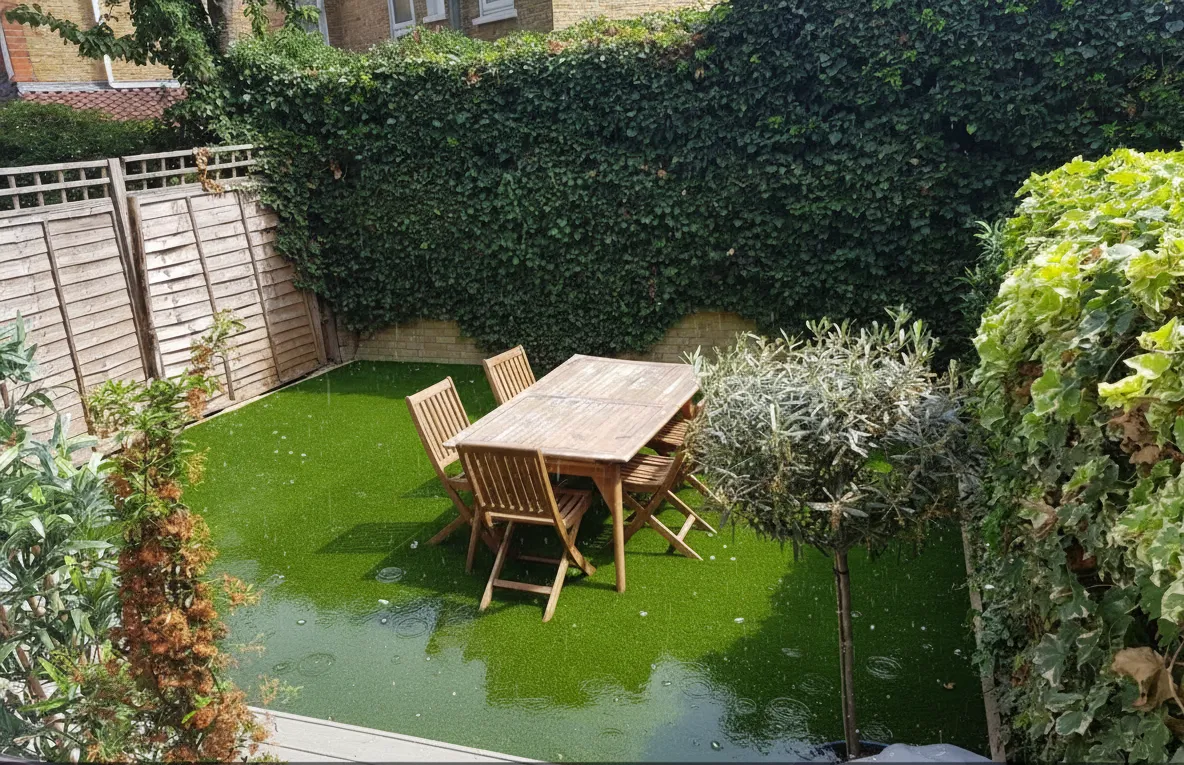
Drainage problems are one of the biggest reasons moss develops on fake grass. If rainwater cannot drain away properly, moisture stays trapped within the turf and infill layers.
Moss thrives in wet conditions, especially in areas where water regularly pools after rainfall.
Blocked drainage holes, compacted sub-bases, or poorly installed artificial grass can all contribute to excess moisture retention.
According to the UK Centre for Ecology & Hydrology, mosses and similar moisture-loving organisms grow rapidly in persistently damp environments where airflow and sunlight are limited.
Related Read: Why Your Artificial Lawn Isn’t Draining Properly and What To Do About It
Damp and Shaded Areas
Artificial grass installed under trees, beside fences, or in permanently shaded gardens is far more likely to develop moss. Without direct sunlight, the surface stays wet for longer after rain or morning dew.
North-facing gardens are particularly vulnerable because they receive less natural drying throughout the day.
Even high-quality artificial grass can develop moss if the surrounding conditions remain cold and damp for extended periods.
Leaves and Organic Debris Buildup
Leaves, twigs, soil, and other organic debris create the perfect environment for moss growth.
As this material breaks down, it traps moisture against the surface of the turf and encourages moss spores to spread.
This is especially common during autumn and winter when fallen leaves are left sitting on the lawn for weeks at a time. Over time, the debris can also block drainage and reduce airflow across the grass fibres.
Lack of Regular Maintenance
Artificial grass still needs occasional maintenance to stay clean and healthy. Without regular brushing and debris removal, the fibres flatten, moisture builds up, and moss begins to establish itself.
Many homeowners assume artificial turf is completely maintenance-free, but even a simple monthly brush and seasonal clean can make a huge difference.
At Superior Lawn, we often find that moss problems become much easier to prevent when artificial grass is maintained consistently throughout the year.
Also Read: How to Maintain Artificial Grass for 10+ Years (Realistic Lifespan Guide)
How Do You Remove Moss From Artificial Grass?
Removing moss from artificial grass is usually a simple process if you tackle it properly and avoid harsh cleaning methods that could damage the turf.
The key is to remove the moss completely while also dealing with the moisture and debris that allowed it to grow in the first place.
Here’s the safest and most effective way to clean moss from artificial grass.
Step 1: Remove Leaves and Surface Debris
Start by clearing away any leaves, twigs, mud, or organic debris sitting on the surface of the lawn. A stiff outdoor broom, plastic rake, or leaf blower works well for this step.
Removing surface debris is important because moss often grows underneath damp organic matter. It also helps expose the affected areas properly before cleaning.
Pay extra attention to edges, corners, and spaces beneath garden furniture where debris tends to collect unnoticed.
Step 2: Brush the Moss Loose
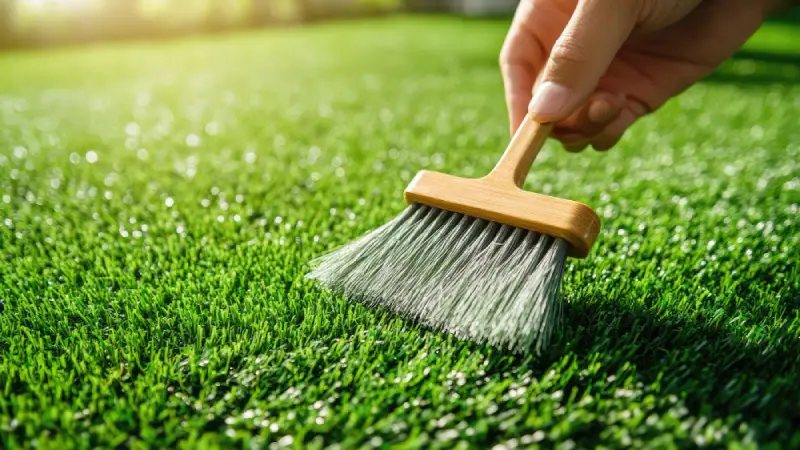
Once the surface is clear, use a stiff brush with synthetic bristles to loosen the moss from the artificial grass fibres. Brush firmly against the direction of the pile to lift compacted areas and break apart the moss buildup.
Avoid using wire brushes or metal tools, as these can damage the turf backing and shorten the lifespan of the grass.
For larger lawns, using a power brush for artificial grass can speed up the process and help restore flattened fibres more evenly.
Step 3: Apply an Artificial Grass Safe Moss Killer
After brushing, apply a moss killer that is specifically safe for artificial grass and synthetic turf.
Always check the product label carefully before use, as some harsh chemicals can discolour the grass or damage the backing materials.
Most moss treatments need time to soak into the affected areas before rinsing. Follow the manufacturer’s instructions closely and avoid overapplying the solution.
If you have children or pets, choose a pet-safe moss treatment and keep the area clear until the lawn is fully dry.
Recommended Read: How to Keep Artificial Grass Hygienic for Children
Step 4: Rinse the Area Thoroughly
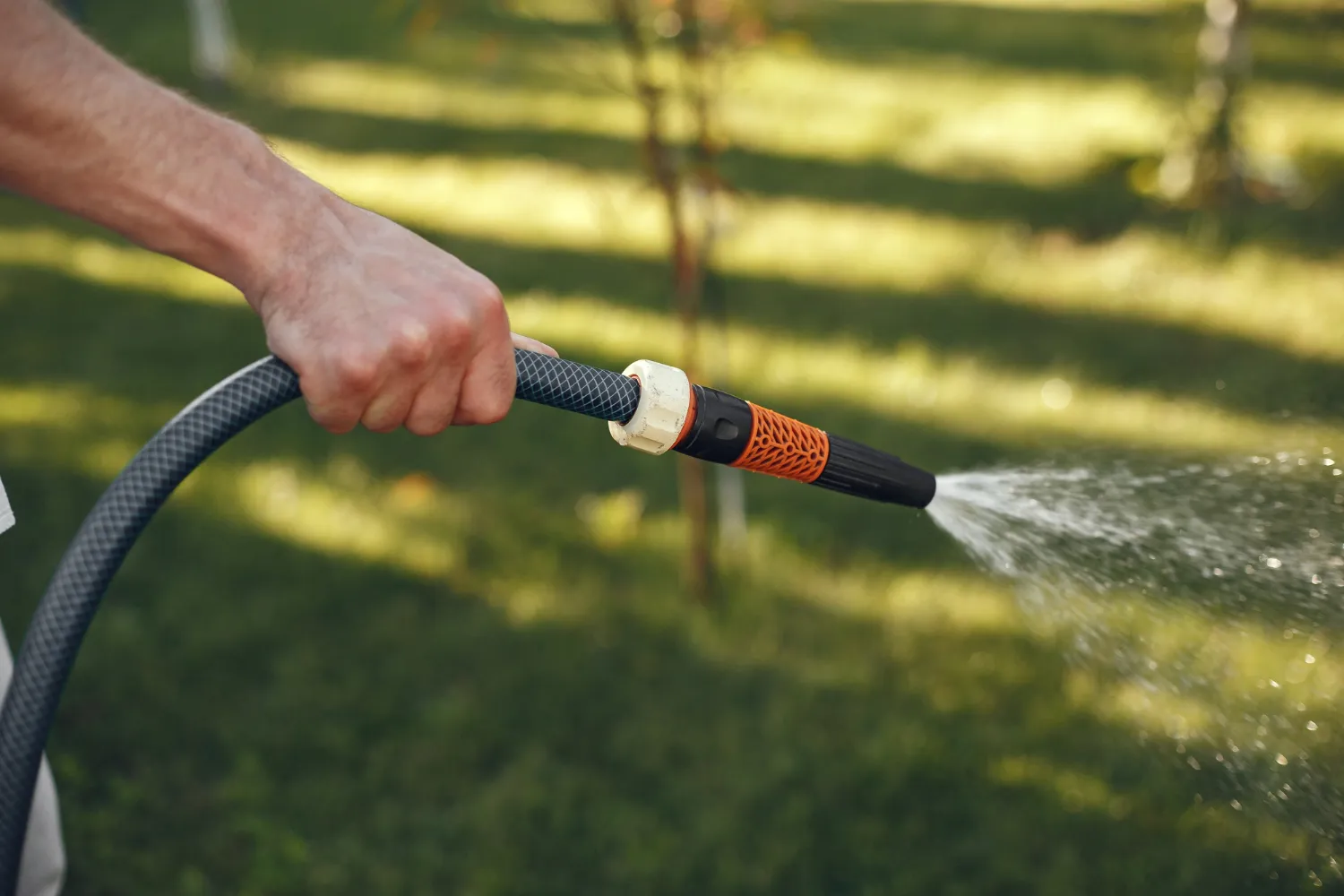
Once the treatment has done its job, rinse the artificial grass thoroughly using clean water. A standard garden hose is usually enough for most lawns.
If you use a pressure washer, keep the pressure low and maintain a safe distance from the surface. Spraying too closely can damage the grass fibres or disturb the infill beneath the turf.
The goal is to flush away dead moss, leftover treatment, and trapped dirt without harming the lawn itself.
Step 5: Brush the Grass Back Upright
After the grass has dried, give the area another thorough brush to lift the fibres back into position and remove any remaining debris.
This final step helps restore the appearance of the lawn and improves airflow across the surface, which can reduce future moss growth.
And in heavily affected areas, you may need to repeat the process or arrange a deeper professional clean.
What Is the Best Moss Killer for Artificial Grass?
The best moss killer for artificial grass is one that removes moss without damaging the turf fibres, backing, or drainage system. Always choose products labelled safe for synthetic grass or artificial turf.
Safe Products to Use
Look for moss treatments that are:
- Bleach free
- Non-acidic
- Safe for artificial grass
- Pet and child safe once dry
Artificial grass cleaners with anti-moss or anti-algae ingredients usually work best. For small patches, diluted white vinegar can help, but it is less effective on heavy moss buildup.
At Superior Lawn, we always recommend testing any product on a small hidden area first.
Chemicals to Avoid
Avoid using:
- Bleach
- Acid-based patio cleaners
- Strong weed killers
- Solvents or petroleum-based chemicals
These can fade the grass, weaken the backing, and reduce the lifespan of the turf.
Pet and Child Safety Considerations
If children or pets use the lawn regularly, choose treatments marked pet safe or child safe after drying. Keep the area clear until the product has fully dried and follow the manufacturer’s instructions carefully.
Read More: Can Weeds Grow Through Artificial Grass? (What Actually Happens & How to Stop It)
Can You Pressure Wash Moss Off Artificial Grass?
Yes, pressure washing can help remove moss from artificial grass, but it must be done carefully. Low-pressure cleaning can wash away dirt, dead moss, and trapped debris without damaging the turf.
When Pressure Washing Works
Pressure washing works best after brushing or applying a moss treatment first. It helps:
- Remove leftover moss
- Clean trapped dirt
- Freshen heavily used areas
It is most useful for shaded gardens or lawns beneath trees where debris builds up quickly.
Safe Pressure Washing Tips
To avoid damage:
- Use low to medium pressure
- Use a fan spray nozzle
- Keep the nozzle at least 30cm away
- Spray in the direction of the grass fibres
- Brush the lawn afterwards
This helps clean the turf without disturbing the infill or backing.
Mistakes That Can Damage Artificial Turf
Avoid:
- Using high pressure at close range
- Spraying directly into seams or edges
- Using turbo nozzles
- Pressure washing too often
If moss keeps returning, the problem is often poor drainage underneath the turf. At Superior Lawn, we often find that fixing drainage issues and deep cleaning the lawn gives much longer-lasting results.
Related: What Can Damage Artificial Grass? Causes, Prevention & Repair Guide
Can Moss Damage Artificial Grass?
Moss will not usually destroy artificial grass immediately, but if it is left untreated, it can lead to bigger maintenance problems over time.
Blocked Drainage
Moss and organic debris can clog the drainage holes in artificial turf, causing water to sit on the surface for longer after rainfall. Poor drainage creates the damp conditions moss needs to keep spreading.
Slippery Surfaces
Wet moss can make artificial grass slippery and unsafe, especially during autumn and winter. This is a common issue in shaded gardens where the lawn does not dry properly.
Faster Buildup of Dirt and Algae
Once moss starts growing, it often traps more dirt, moisture, and debris in the turf fibres. This can encourage algae growth and make the lawn look discoloured or neglected much faster.
How Do You Stop Moss Growing Back on Artificial Grass?
The best way to prevent moss on artificial grass is through regular maintenance and keeping the lawn as dry and clean as possible.
Brush the Grass Regularly
Brushing the lawn helps lift the fibres, improve airflow, and stop moisture from settling into the surface. A quick brush every few weeks can make a big difference.
Remove Leaves and Organic Matter Quickly
Leaves, twigs, and soil trap moisture and create the ideal environment for moss growth. Clearing debris regularly helps keep the lawn dry and clean.
Improve Drainage in Wet Areas
If water regularly pools on the lawn, the drainage underneath may need attention. Fixing drainage problems early can help prevent repeated moss growth.
Reduce Shade Where Possible
Trim back overhanging trees, hedges, or plants where you can. More sunlight and airflow help the artificial grass dry faster after rain.
Book Deep Cleaning When Needed
Sometimes regular brushing is not enough, especially if moss has built up over several seasons. At Superior Lawn, we provide professional artificial grass cleaning and restoration to remove deep debris, improve drainage, and refresh tired-looking turf.
What Should You Avoid When Removing Moss From
Removing moss the wrong way can damage artificial grass and make the problem worse over time. Here are some common mistakes to avoid.
Using Harsh Chemicals or Bleach
Strong chemicals and bleach may kill moss quickly, but they can also fade the grass fibres and weaken the turf backing. Always use products that are safe for artificial grass.
Scrubbing With Metal Tools
Wire brushes and metal scrapers can tear the fibres and damage the surface of the lawn. Use a stiff brush with synthetic bristles instead.
Using Too Much Water Pressure
High-pressure washing at close range can loosen joins, remove infill, and damage the backing underneath the turf. If you pressure wash artificial grass, always use moderate pressure and keep a safe distance.
Ignoring the Underlying Moisture Problem
Moss usually comes back if the lawn stays damp all year round. Poor drainage, heavy shade, and trapped debris need to be addressed as well, otherwise cleaning alone will only be a short-term fix.
Should You Remove Moss Yourself or Hire a Professional?
In many cases, light moss buildup can be cleaned yourself with brushing, moss treatment, and regular maintenance. However, some lawns need deeper restoration to fully solve the issue.
When DIY Cleaning Is Enough
DIY cleaning is usually suitable when:
- Moss is only on the surface
- The drainage still works properly
- The turf fibres are in good condition
- The buildup is limited to small areas
Regular brushing and cleaning can often keep the lawn under control.
Signs You Need Professional Restoration
You may need professional help if:
- Moss keeps returning quickly
- Water pools on the surface
- The lawn smells damp or musty
- The turf feels heavily compacted
- Large areas are affected
Frequently Asked Questions
Why does moss grow on artificial grass?
Moss usually grows on artificial grass because of excess moisture, poor drainage, shade, or a buildup of leaves and organic debris. Damp conditions allow moss to spread quickly if the lawn is not cleaned regularly.
Can I use moss killer on fake grass?
Yes, but only use moss killers that are labelled safe for artificial grass or synthetic turf. Harsh chemicals and bleach-based products can damage the grass fibres and backing.
Is vinegar safe for artificial turf?
Diluted white vinegar can be used on small patches of moss and algae, but it should be rinsed away afterwards. It is generally safer than strong chemical cleaners, although it may not be effective for heavy moss growth.
Will pressure washing remove moss completely?
Pressure washing can help remove moss from the surface, especially after brushing or applying moss treatment first. However, it will not solve the problem completely if drainage issues or trapped debris are causing the moss to return.
How often should artificial grass be cleaned?
Most artificial lawns should be brushed and cleared of debris every few weeks. A deeper clean once or twice a year helps prevent moss, algae, and dirt buildup, especially in shaded or damp gardens.
Does moss mean artificial grass was installed badly?
Not always. Moss can grow even on well-installed artificial grass if the area stays damp or shaded for long periods. However, poor drainage or incorrect installation can increase the chances of moss developing more quickly.