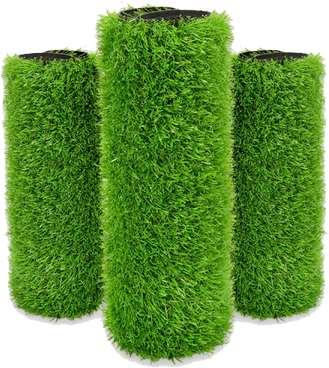

Yes, artificial grass can be laid on soil, but it should not simply be rolled out over the existing ground and secured in place. For a long-lasting lawn, the soil needs to be properly prepared first.
Artificial grass needs a firm, stable and reasonably well-drained foundation. If the ground underneath is soft, uneven or full of organic material, problems can develop after installation, including sinking, ripples, poor drainage and unwanted vegetation.
Whether you’re replacing an old lawn or starting with bare soil, preparing the ground correctly is one of the most important parts of an artificial grass installation.
- So… Is Artificial Grass Truly Safe for Children?
- What Makes Artificial Grass Safe for Children?
- How to Create a Child-Safe Artificial Grass Play Zone
- FAQs: What Every Parent Wants to Know
- Can kids play barefoot on artificial grass?
- Will artificial grass give my child rug burns?
- What if my child spills food or gets sick on the grass?
- Is it safe for babies and toddlers?
- Does artificial grass smell?
- Is it safe under the playground equipment?
- Will it help with allergies?
- Does artificial grass get too hot in summer?
Table of Contents
ToggleCan You Lay Artificial Grass Directly on Soil?
You can install artificial grass over an area that originally consisted of soil, but the soil itself should not normally be the final surface underneath the turf.
Loose garden soil can move and settle, particularly when it becomes wet. It may also contain roots, organic matter, stones and existing vegetation. Simply covering it with artificial grass does not remove these problems.
Instead, the existing ground needs to be cleared, levelled and made stable before the artificial grass is installed. The exact preparation depends on the condition of the soil, drainage and how the garden will be used.
This preparation creates a much more reliable foundation for the finished lawn.
Related Read: What Goes Under Artificial Grass? The Complete Sub-Base Guide
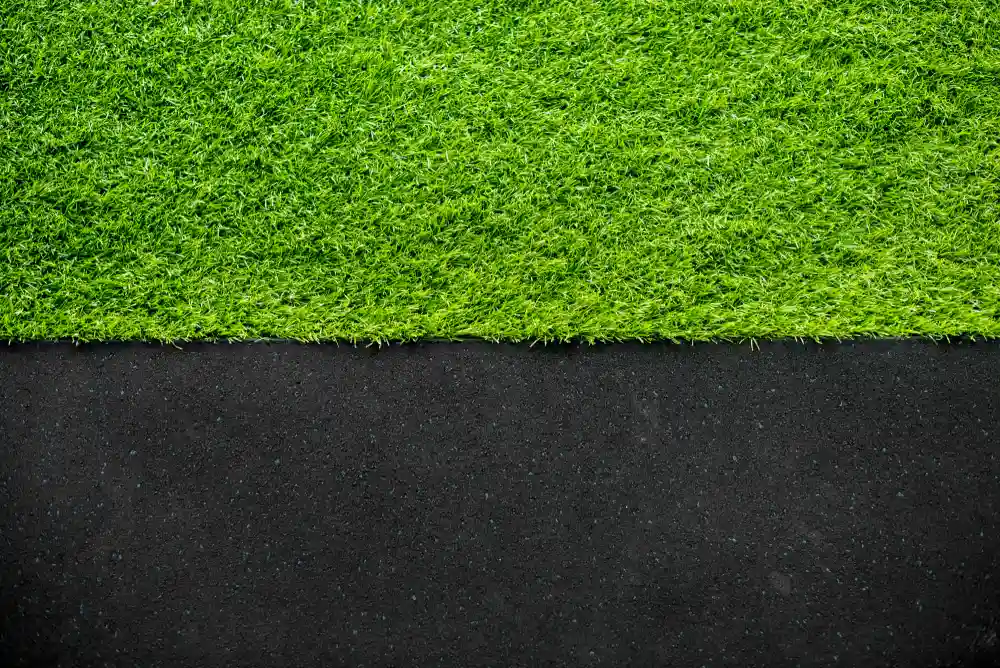
What Happens If You Lay Artificial Grass Straight on Soil?
Laying artificial grass directly over unprepared soil can cause several problems.
The ground can become uneven
Soil can settle naturally over time, particularly where it has been recently disturbed. This can leave dips and uneven areas beneath the artificial grass.
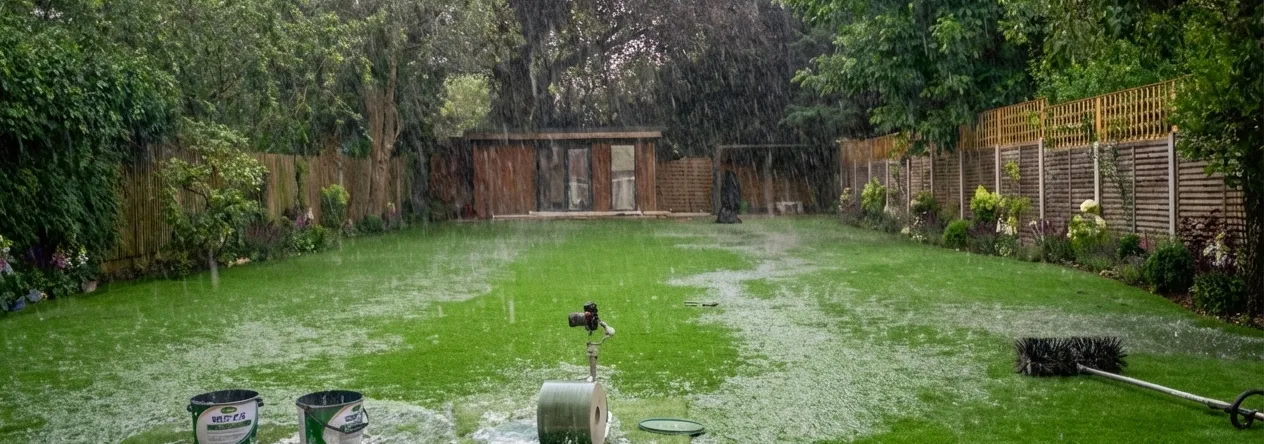
Water can collect
If the soil does not drain well, rainfall can remain trapped beneath the lawn. Clay-heavy or compacted ground can be particularly challenging.
Vegetation can return
Grass, weeds and roots left beneath the installation can continue to cause problems if the ground has not been properly cleared.
The turf can move
Artificial grass needs a stable foundation. Loose or soft soil can make it harder to keep the finished lawn secure and level.
The finished lawn may not last as expected
Artificial grass itself can be durable, but its performance depends heavily on the surface beneath it. Poor ground preparation can affect how the lawn looks and performs long before the turf itself reaches the end of its useful life.
Also Read: Why Your Artificial Lawn Isn’t Draining Properly and What To Do About It
What Goes Under Artificial Grass on Soil?
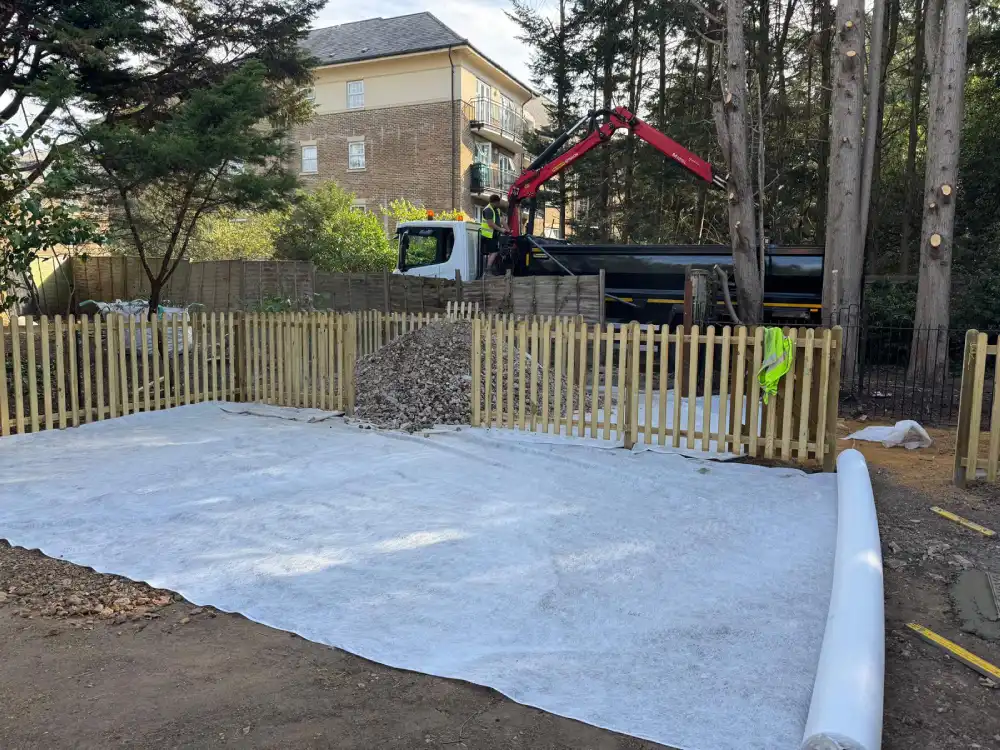
A typical how-to lay artificial grass over soil involves several layers rather than turf sitting directly on earth.
The basic structure is usually:
- Prepared ground – Existing grass, roots, organic material and unsuitable soil are removed or dealt with.
- Weed membrane – Used where appropriate to help limit weed growth.
- Compacted sub-base – Provides a firm foundation and helps create a stable surface.
- Levelling layer – Where required, a suitable fine material is used to create the final smooth surface.
- Artificial grass – The turf is then laid, cut and secured.
- Infill – Some artificial grass systems require or benefit from suitable infill.
The exact build-up isn’t identical for every garden. Ground conditions, drainage, access and the intended use of the lawn all need to be considered.
For a more detailed explanation of the materials and layers involved, see our guide to what goes under artificial grass.
How Do You Prepare Soil for Artificial Grass?
Preparing soil properly involves more than simply making the surface look flat.
Remove the existing grass and vegetation
Any existing lawn, weeds and unwanted vegetation should be removed. Organic material left underneath the installation can break down and contribute to movement or unevenness later.
Also Read: Can Weeds Grow Through Artificial Grass? (How to Stop It)
Clear stones, roots and debris
The area should be cleared so that larger stones, roots and other debris do not interfere with the finished surface.
Excavate to the required level
The ground usually needs to be excavated to allow enough depth for the required foundation and artificial grass. The finished level should also work with surrounding paths, patios, steps and doorways.
Make the ground stable
Soft areas should be identified and dealt with before the base is installed. The aim is to create ground that can support the layers above without excessive movement.
Install and compact the sub-base
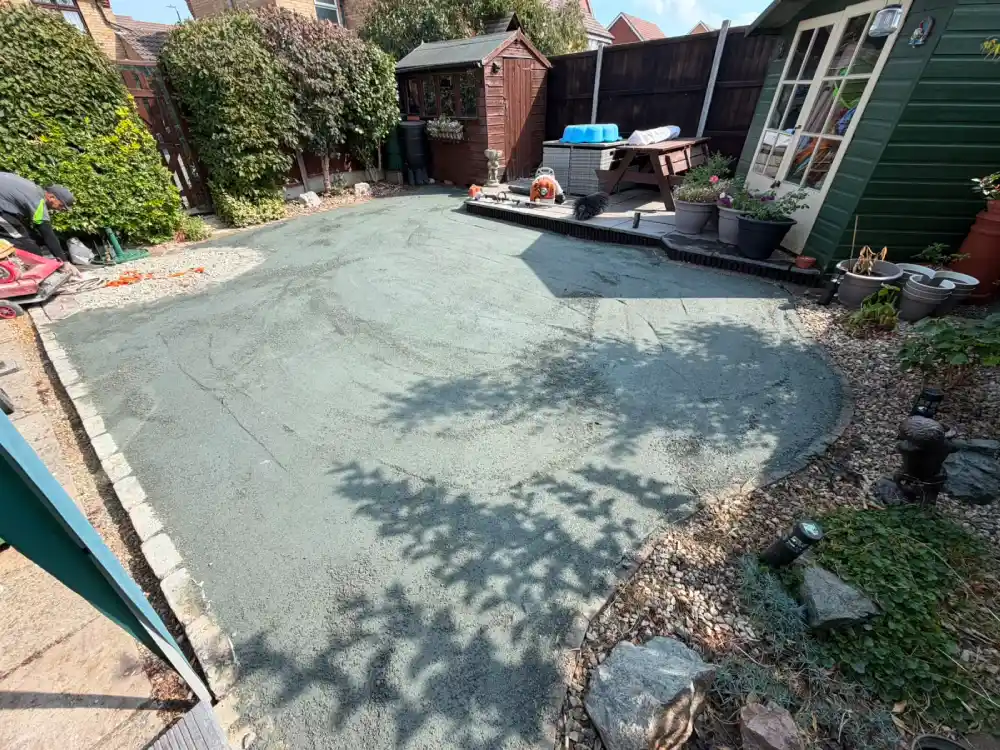
A suitable sub-base is placed over the prepared ground and compacted to create a strong, stable foundation.
Create a smooth laying surface
The final surface needs to be level and suitable for laying the artificial grass. Any significant bumps or low areas at this stage can affect the appearance of the finished lawn.
Proper preparation is particularly important where the original soil is soft, uneven or poorly draining.
Do You Need a Sub-Base for Artificial Grass on Soil?
In most garden artificial turf installations, a proper sub-base is an important part of installing artificial grass over soil.
The sub-base provides stability and helps form the foundation for the finished lawn. It also gives the installer greater control over levels and drainage than simply relying on the existing soil.
However, the appropriate construction can vary depending on the existing ground conditions. A small garden with firm, well-draining ground may require different preparation from a large lawn with heavy clay soil or areas that regularly become waterlogged.
Can Artificial Grass Be Laid on Clay or Poorly Draining Soil?
Yes, but clay or poorly draining soil needs particular attention before installation.
Clay soil can hold water and become soft when wet. If artificial grass is installed over this without addressing the underlying conditions, waterlogging and movement can become problems.
The solution isn’t simply to cover the clay with turf. The ground needs to be assessed and prepared so that the finished installation has a suitable foundation and drainage arrangement.
This is one reason a site assessment can be valuable before committing to an artificial lawn, particularly in gardens where water already tends to collect.
Recommended Read: How Do You Know When It’s Time to Replace Artificial Grass?
Can You Lay Artificial Grass Over an Existing Lawn?
It is not recommended to simply lay artificial grass over a live natural lawn.
Existing grass and vegetation contain organic material that can decay beneath the artificial turf. The ground can also continue to settle, while roots and remaining vegetation may contribute to an uneven surface.
For a proper installation, the existing lawn is normally removed and the ground underneath prepared before the artificial grass is laid.
This takes more work initially, but it helps create the stable foundation needed for a better-looking and longer-lasting result.
Is It Better to Install Artificial Grass Yourself or Hire a Professional?
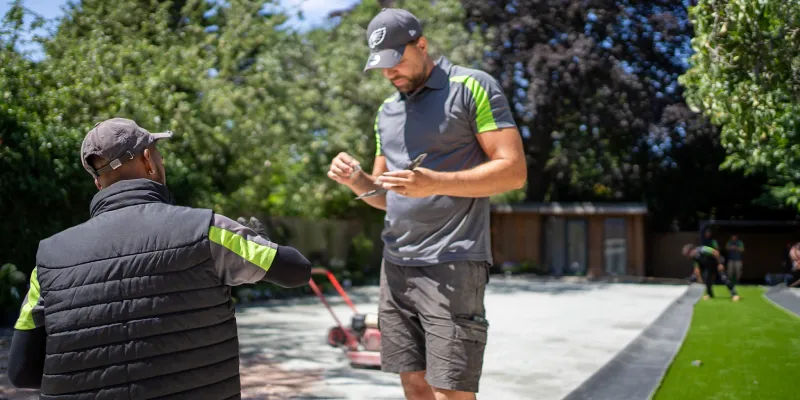
For a small, straightforward garden with good access and suitable ground conditions, an experienced DIYer may be able to handle the work.
However, installing artificial grass over soil involves more than cutting and securing the turf. Excavation, ground levels, compaction, drainage and the sub-base all affect the final result.
Professional grass installation can be particularly worthwhile when:
- The existing ground is uneven or soft
- The garden has drainage problems
- There is substantial excavation involved
- Access to the garden is difficult
- The lawn has awkward shapes, edges or levels
- You want the ground conditions assessed before choosing the installation approach
Getting the foundation right is usually far more important than trying to save time by skipping preparation.
Artificial Grass Installation in London
If you’re considering artificial grass for a garden in London, the condition of the existing soil should be assessed before installation.
At Superior Lawn, our process starts with understanding the garden, its existing ground conditions and how the space will be used. We can then recommend the appropriate preparation and artificial grass for the project.
We provide artificial grass installation in London and offer a free survey to assess your garden before work begins.
If you’re unsure whether your soil is suitable for artificial grass, get in touch with Superior Lawn to arrange your free survey.
Frequently Asked Questions
Can artificial grass be laid directly on soil?
Artificial grass can be installed over soil, but it should not normally be laid directly onto loose, unprepared earth. The ground needs to be cleared, levelled and stabilised first.
What should I put under artificial grass on soil?
A typical installation includes prepared ground, a suitable sub-base and a final levelling surface before the artificial grass is installed. The exact build-up depends on the garden and ground conditions.
Do I need a sub-base for artificial grass?
A suitable sub-base is generally needed when installing artificial grass over soil because it provides a stable foundation and helps establish the correct levels.
Can artificial grass be laid over grass?
Artificial grass should not simply be installed over an existing lawn. The natural grass and organic material should normally be removed and the underlying ground properly prepared first.
Can artificial grass be installed on clay soil?
Yes, but clay soil may require additional attention because it can retain water and become soft when wet. The ground and drainage should be assessed before installation.
How deep should you dig for artificial grass?
There is no single excavation depth that suits every garden. The required depth depends on the existing ground, the sub-base and other layers needed, as well as surrounding levels and drainage requirements.