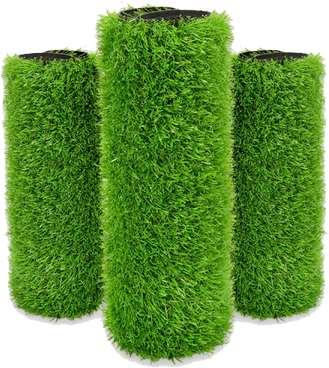

Landscaping is one of those problems landlords don’t think about… until it starts causing issues.
In rental properties, garden upkeep is inconsistent. Some tenants maintain it, others don’t. Grass gets patchy, weeds grow, and the space quickly starts looking neglected.
That’s where the real problems come in: unclear responsibility, tenant disputes, and poor curb appeal when it’s time to re-let. A messy garden can put people off before they even step inside.
At Superior Lawn, we see this all the time. The garden becomes a small issue that turns into a repeated headache.
Artificial grass solves that.
It keeps the space looking clean and consistent, removes maintenance confusion, and helps your property stay presentable year-round.
Below, we’ll look at why this matters for landlords and how it can improve your rental property in the long term.
- So… Is Artificial Grass Truly Safe for Children?
- What Makes Artificial Grass Safe for Children?
- How to Create a Child-Safe Artificial Grass Play Zone
- FAQs: What Every Parent Wants to Know
- Can kids play barefoot on artificial grass?
- Will artificial grass give my child rug burns?
- What if my child spills food or gets sick on the grass?
- Is it safe for babies and toddlers?
- Does artificial grass smell?
- Is it safe under the playground equipment?
- Will it help with allergies?
- Does artificial grass get too hot in summer?
Table of Contents
ToggleThe Real Benefits of Artificial Grass for Rental Properties
Once you look at it from a landlord’s point of view, artificial grass isn’t just about appearance. It’s about removing small, recurring problems that add up over time.
Here’s how it actually helps in day-to-day property management.
Predictable Maintenance (for both landlord and tenant)
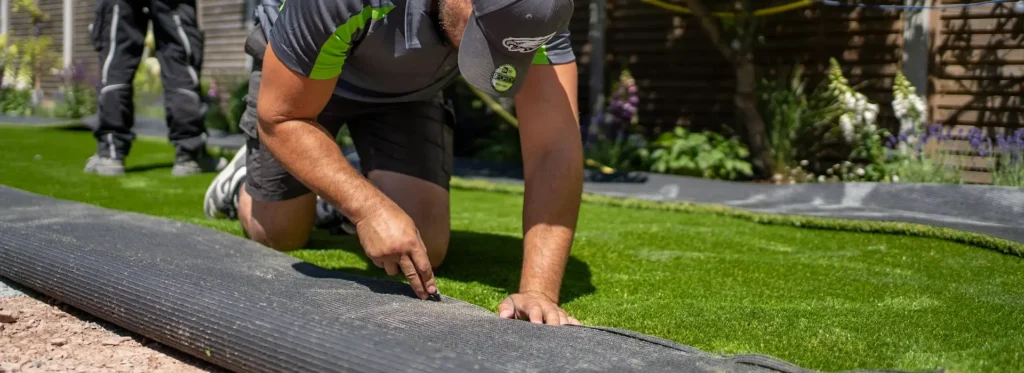
With natural grass, upkeep depends entirely on the tenant. And that’s where things become inconsistent.
Artificial grass removes that uncertainty.
No mowing schedules. No overgrown patches. No “I thought the tenant was handling it” conversations.
Everyone knows where they stand from the start. There’s no confusion around responsibilities, and routine inspections become straightforward because the garden stays the same.
Related Read: How to Maintain Artificial Grass for 10+ Years (Realistic Lifespan Guide)
Stronger Curb appeal during Tenant Turnover
First impressions matter more than most landlords expect.
When a tenant moves out, the garden is often the first thing to slip. Natural grass can look worn, patchy, or completely neglected within weeks.
Artificial grass keeps everything looking clean and green, even when the property is empty. That makes a real difference during viewings.
Better presentation leads to better photos, more interest, and often quicker lets.
Lower Long-term Maintenance Costs
Natural lawns come with ongoing maintenance costs, whether you notice them or not.
Watering, reseeding, mowing, occasional repairs, it all adds up. And if tenants don’t maintain it properly, you end up paying to fix the damage anyway.
Artificial grass cuts out most of that.
No equipment. No regular gardening services. No replanting after every tenancy. Just a one-time installation and minimal upkeep after that.
Over time, it’s often the more cost-effective option.
Fewer Tenant Conflicts
Gardens are a common source of friction between landlords and tenants.
Disagreements over maintenance, condition at move-out, and deposit deductions happen more often than they should.
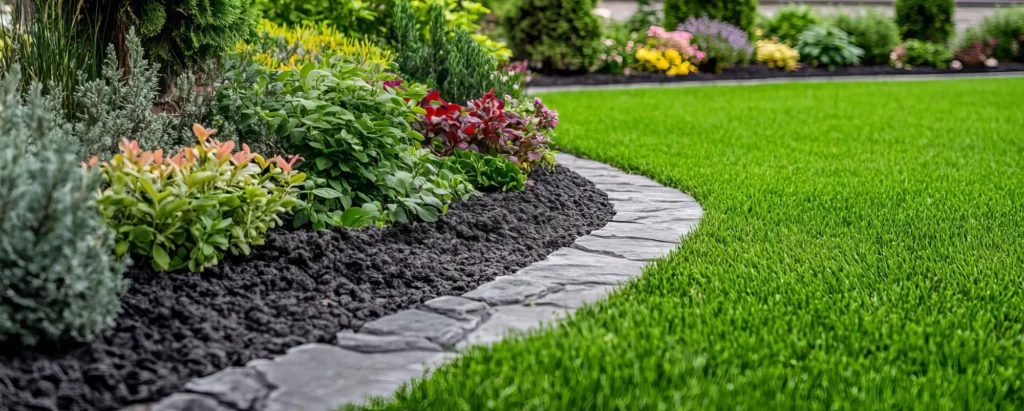
Artificial grass simplifies everything. The space stays consistent, expectations are clearer, and there’s less room for arguments.
From what we’ve seen, this alone can save landlords a lot of time and hassle.
Works well for different Rental Setups
Not every property is the same, but artificial grass tends to work especially well in high-use or shared environments.
- HMOs where responsibility is split between multiple tenants
- Apartments with shared outdoor areas
- Short-term lets where regular maintenance isn’t practical
In these setups, natural grass struggles because no one takes full ownership. Artificial grass removes that problem completely and keeps the space usable year-round.
Is Artificial Grass actually worth it for Landlords?
This is usually the first real question — not “is it better?”, but “does it make financial sense?”
Artificial grass does come with an upfront cost. There’s no getting around that. But when you look at it over a few years, the numbers start to shift.
With natural grass, you’re paying again and again.
Watering, mowing, occasional repairs, or even fixing a garden that’s been neglected by tenants. It’s not always obvious, but the costs stack up over time.
Artificial grass flips that. You pay once, and ongoing costs drop significantly.
There’s also the rental side to consider.
A clean, low-maintenance outdoor space makes your property more appealing.
That can mean:
- Slightly stronger rental value
- More interest from tenants
- Less time sitting empty between lets
We’ve seen landlords recover their investment simply by reducing maintenance costs and cutting down void periods.
In most cases, the return isn’t instant, but over a few years, it becomes a practical, cost-saving upgrade rather than just a visual one.
Related Read: How Much Does Artificial Grass Cost in London? 2026 Updated
How Astro Turf helps attract better Tenants
The type of tenant you attract often comes down to how easy the property feels to live in.
Most tenants don’t want extra responsibility. They’re not looking to maintain a garden; they just want a space they can use without thinking about it.
That’s where artificial grass has an advantage.
It appeals naturally to:
- Busy professionals who don’t have time for upkeep
- Families who want a clean, usable outdoor space
- Pet owners who need something durable and mess-free
It also changes how the property is perceived.
A neat, finished garden makes the whole place feel more “ready.”
Less like a property that needs managing… and more like somewhere they can move into straight away.
That small shift matters more than it seems.
At Superior Lawn, we see that properties with clean, low-maintenance outdoor spaces tend to attract more serious enquiries, the kind of tenants who are looking for convenience and are more likely to stay longer.
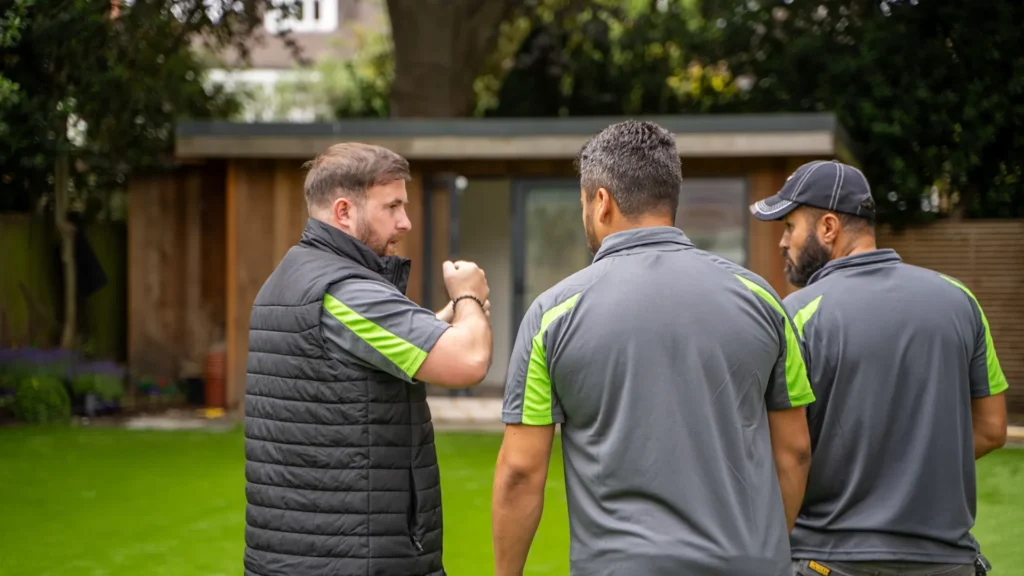
Common Concerns (and straight answers)
Before making the switch, most landlords have a few practical concerns. Here’s what actually matters.
Does it look natural?
It can, but quality makes all the difference. Cheaper options tend to look flat and artificial, while higher-quality grass has variation in colour and texture that looks much closer to real turf. This is one area where cutting corners usually backfires.
Related Read: Artificial Grass vs Real Grass: Which Is Better in 2026?
What about drainage?
This comes down to installation, not the grass itself. When installed properly with the right base, artificial grass drains well and handles regular use without issues. Poor installation is what leads to water problems.
Will tenants still need to maintain it?
Yes, but it’s minimal. There’s no mowing or watering — just occasional cleaning to keep it tidy. It’s a different kind of upkeep, and much easier to manage.
Does it increase property value or just appeal?
For rentals, the main benefit is appeal. It helps the property look better, rent faster, and attract the right tenants. Any increase in value tends to come indirectly through better demand and lower vacancy.
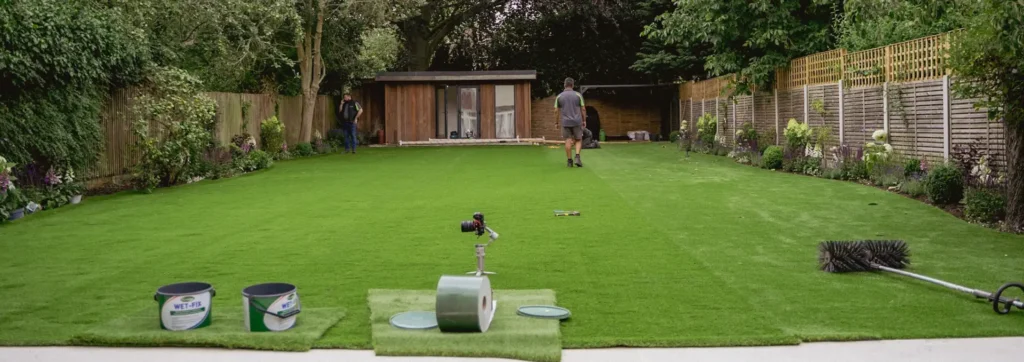
Where Synthetic Grass Works Best (Practical Use Cases)
Artificial grass isn’t a one-size-fits-all solution, but in the right setup, it works extremely well.
Front gardens are a simple win. They shape the first impression and stay presentable without ongoing effort.
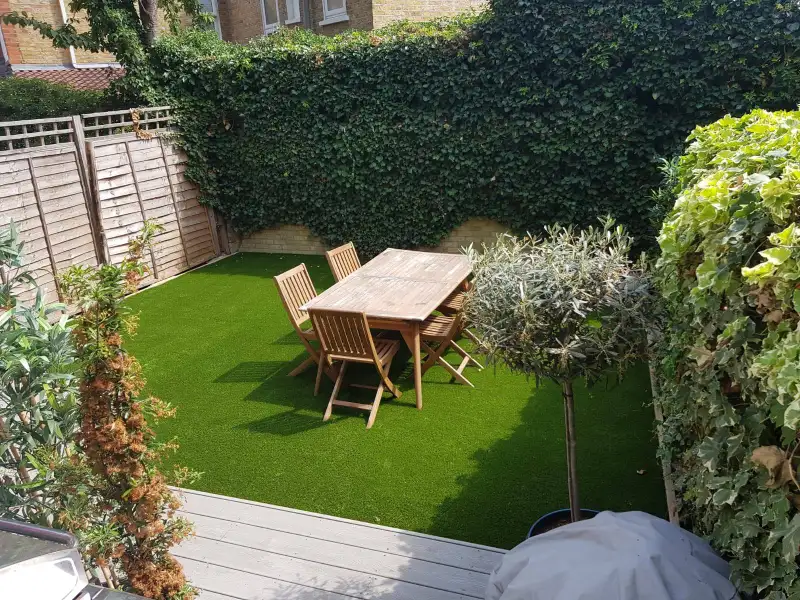
Small backyards benefit even more. These spaces get used heavily but are often neglected with natural grass. Artificial turf keeps them usable year-round.
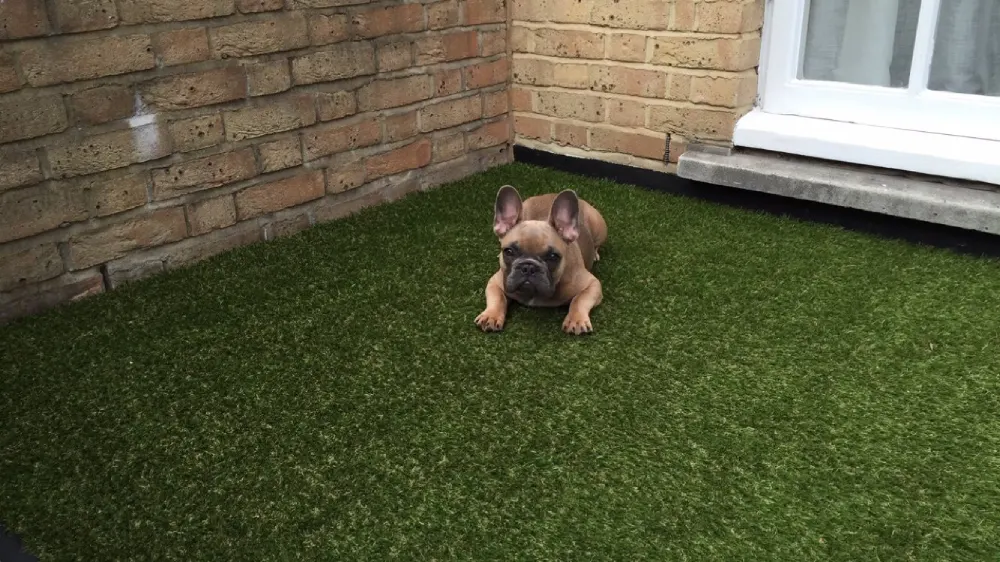
Rentals with pet-friendly artificial grass are another strong fit. It handles wear better and avoids the mud and damage that real grass struggles with.
Short-term lets also make sense. With frequent tenant turnover, low maintenance becomes essential, and artificial grass keeps everything looking consistent between stays.
What Landlords Should Know Before Installing
A good result depends on getting a few key things right from the start.
Choose the right quality
Not all artificial grass is the same. Higher-quality options last longer, look better, and hold up under regular use, which matters more in rental properties.
Get the drainage right
This is critical. A proper base ensures water drains correctly and prevents future issues. It’s one of the main factors that separates a good installation from a problematic one.
Think about pets
If your property is pet-friendly, choose grass designed to handle it. That includes durability and easy cleaning.
Hiring professionals vs DIY
DIY can seem cheaper upfront, but mistakes in installation usually cost more later.
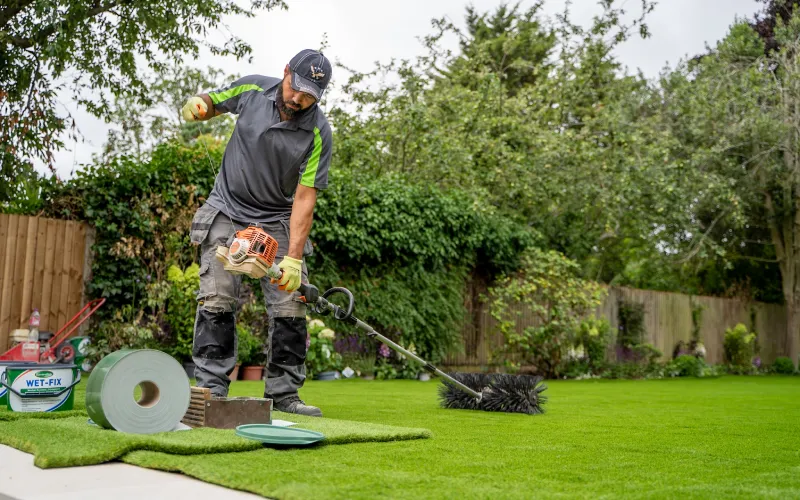
At Superior Lawn, we often see landlords come to us after a poor installation that needs fixing. Getting artificial grass installation done professionally the first time properly avoids that risk.
Conclusion
At the end of the day, artificial grass isn’t really about landscaping. It’s about removing repeat problems landlords deal with every year — inconsistent upkeep, messy gardens between tenancies, and avoidable disputes.
It works best in rental setups where properties change hands more often and where keeping things low-maintenance matters more than traditional gardening.
Used in the right way, it’s a practical upgrade that keeps the property looking ready to rent without extra effort in between.
At Superior Lawn, we’ve seen this work especially well for landlords who want fewer ongoing headaches and more predictable property conditions across tenancies.
If you’re considering it for a rental property, you can book a free survey in London with our team to understand what would actually work for your space.
Frequently Asked Questions
Is artificial grass worth it for rental properties?
Yes, especially for landlords dealing with frequent tenant turnover or inconsistent garden maintenance. It reduces upkeep, improves presentation, and helps keep the property rental-ready.
How long does artificial grass last in a rental property?
Good-quality installations can last 10–15 years, depending on usage and maintenance. In rental properties, durability depends more on installation quality than anything else.
Do tenants still need to maintain artificial grass?
Yes, but only basic upkeep like occasional cleaning. There’s no mowing, watering, or trimming required.
Does artificial grass increase rental value?
It usually improves rental appeal rather than directly increasing value. Properties tend to attract more interest and can be rented faster because they look well-maintained.
Is artificial grass pet-friendly?
Yes, most modern artificial grass is suitable for pets. It handles wear better than natural grass and is easier to clean, which makes it popular in pet-friendly rentals.
Can artificial grass cause drainage problems?
Not when installed properly. Drainage issues usually come from poor groundwork rather than the product itself.
Is it better to install artificial grass or keep natural lawn for rentals?
For low-maintenance rental setups, artificial grass is usually more practical. Natural lawns require ongoing upkeep and depend heavily on tenant care.