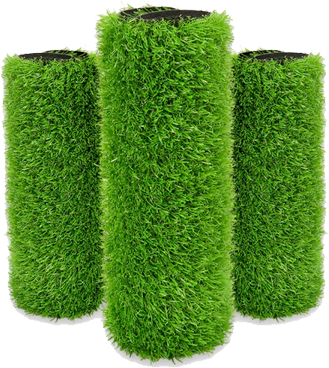

Planning to transform your garden with artificial turf? Before work begins, an on-site survey helps establish what’s needed, from preparing the existing ground to planning the edges and checking access.
There’s more to a survey than measuring the lawn. Ground conditions, drainage, access and surrounding features can all affect how the project should be planned. It’s also your chance to explain what you’d like from your new outdoor space and ask questions before committing to the work.
Here’s what to expect during an artificial grass installation survey and how to prepare for one.
- So… Is Artificial Grass Truly Safe for Children?
- What Makes Artificial Grass Safe for Children?
- How to Create a Child-Safe Artificial Grass Play Zone
- FAQs: What Every Parent Wants to Know
- Can kids play barefoot on artificial grass?
- Will artificial grass give my child rug burns?
- What if my child spills food or gets sick on the grass?
- Is it safe for babies and toddlers?
- Does artificial grass smell?
- Is it safe under the playground equipment?
- Will it help with allergies?
- Does artificial grass get too hot in summer?
Table of Contents
ToggleWhy Is an Artificial Grass Survey Important?
Every garden is different. One may need straightforward preparation, while another could have uneven levels, drainage concerns or an old surface that needs removing before the new turf can be fitted.
Assessing these details beforehand helps the installer understand the work involved and identify potential problems before installation begins. For example, laying a synthetic lawn over an unsuitable base may result in an uneven finish or ongoing drainage issues.
The survey also helps establish which materials and preparation methods may be appropriate for your garden.
This makes it easier to discuss the installation requirements and work towards a more accurate quote, rather than relying on the lawn’s dimensions alone.
Recommended Read: Is Artificial Grass Worth It in 2026? What London Homeowners Should Know

What Does an Installer Check During the Survey?
1. Garden Size and Layout
The installer will measure the area you want to cover and assess its overall shape. This includes checking the length and width, along with any curves, corners, narrow sections or separate lawn areas.
These measurements help estimate how much turf and other materials will be required. The layout also matters because the installer needs to plan where the grass will be cut and how any joins will be positioned.
For example, a simple rectangular lawn may be more straightforward to cover than a garden with several small sections separated by paths or flower beds. Assessing the layout beforehand helps the installer plan the work and achieve a tidy finish around the edges.
2. Drainage and Ground Levels
Drainage is an important part of fitting a synthetic lawn. During the visit, the installer will assess the existing ground for uneven areas and signs of possible waterlogging.
If you regularly notice puddles after rain or have sections of the garden that remain wet, mention this during the survey. These details can help identify where further assessment or ground preparation may be needed.
Artificial turf allows water to pass through its drainage holes, but the surface beneath it must also be suitable. If the base is poorly prepared or water cannot drain away effectively, covering the area with synthetic grass alone may not resolve the problem.
Our guide to preparing the ground for artificial grass explains why this stage matters, while our artificial grass sub-base guide covers the materials that may sit beneath the finished lawn.
3. The Existing Surface
The installer will check what’s currently covering the area. This could be natural grass, bare soil, paving, concrete or an older synthetic lawn, and each surface may require a different approach.
For an existing natural lawn, the grass and unsuitable material will generally need to be removed before a suitable base can be prepared. The installer will consider the condition of the ground and whether additional groundwork is necessary.
If you’re planning to cover an existing hard surface, its condition, levels and drainage will need to be assessed. Replacing an older artificial lawn may also involve inspecting the base to establish whether it can be retained or needs attention.
If your garden has bare earth, read our guide on whether artificial grass can be laid directly on soil.
For hard surfaces, read on installing artificial grass on concrete which explains some of the considerations involved.
4. Access to the Garden
Access is another practical detail that can affect how the installation is organised. The installer will consider how materials, tools and waste can be moved between the delivery point and the work area.
A property with direct access from a driveway may be easier to work in than one with a narrow side passage, small gate or steps leading to the garden. In some cases, materials may need to be carried through the house or along a restricted route.
These details can affect how the project is planned and the time and effort involved. If there are any access restrictions, mention them when arranging the survey so the installer can take them into account.
5. Borders, Edges and Obstacles
The installer will look at the features surrounding the lawn and anything the new turf needs to fit around. These may include flower beds, trees, garden paths, drains, steps, fences and existing borders.
The way the grass meets these features is important for the overall appearance of the finished garden. Some edges may need careful cutting and securing, while awkward corners or curved borders may require additional finishing work.
It’s also a good opportunity to discuss whether you want to keep your existing garden layout or make small changes as part of the project. Identifying these details during the survey helps establish the scope of the work before installation starts.
6. How You Plan to Use the Garden
The survey isn’t only about the physical condition of the garden. It’s also an opportunity to explain how you want to use the space once the new lawn is in place.
For example, an area used by children may have different priorities from a mainly decorative garden or a space where pets spend time. Your preferences can help guide the choice of turf, including its appearance, pile characteristics and suitability for its intended use.
You can also discuss how much of the garden you want to cover, whether you plan to retain flower beds and what sort of finish you’re hoping to achieve.
If you’re still comparing options, our guide on choosing artificial grass for a London outdoor space can help you understand what to look for.
What Affects Your Artificial Grass Installation Quote?
The cost of fitting a synthetic lawn depends on more than the size of the area. The survey helps establish how much work is needed and whether any site-specific factors could affect the overall price.
Common factors include:
- Size and shape: Larger areas need more turf and materials, while complicated layouts may involve additional cutting and joining.
- Ground preparation: Removing an existing lawn, clearing unsuitable material or preparing a new base can affect the amount of work required.
- Drainage and levels: Uneven ground or drainage concerns may need to be addressed before the new surface is fitted.
- Access: Restricted access can make moving materials and equipment more difficult.
- Edges and obstacles: Working around paths, trees, flower beds and other features can require more detailed finishing.
Not every garden needs the same preparation. A site visit helps the installer assess the conditions at your property and explain which parts of the project are likely to affect the quote.
It’s also a good opportunity to ask what’s included in the proposed work, such as removing the existing surface, preparing the base and finishing the edges. Understanding the scope of the job makes it easier to compare quotes fairly.
Related Read: How Much Does Artificial Grass Cost in London? 2026 Updated

How Should You Prepare for the Survey?
You don’t need to carry out groundwork before the installer visits. However, a little preparation can make it easier to assess the garden and discuss your plans.
- Make the area accessible. Ensure the installer can reach the garden and inspect the space you want to cover.
- Move items where practical. Garden furniture, pots, toys and other movable objects can be shifted out of the way.
- Mention existing problems. Point out areas where water collects, the ground feels uneven or the current lawn has become difficult to maintain.
- Think about your plans. Consider how you'll use the space, which areas you want covered and whether you intend to keep existing borders or garden features.
- Discuss your preferences. If you have a preferred turf style or budget in mind, mention it so the installer can take this into account.
You don’t need to diagnose drainage problems or level the ground yourself. The purpose of the survey is to assess the site and establish what preparation may be required.
Book a Free On-Site Artificial Grass Survey in London
A site survey is a practical first step towards a new synthetic lawn. It helps establish what your garden needs, what preparation may be involved and which factors could affect the installation quote.
At Superior Lawn, we offer free artificial grass surveys across London. Get in touch with our team to discuss your garden, ask any questions you have and take the first step towards transforming your outdoor space.
Frequently Asked Questions
Do I need a survey before artificial grass installation?
A survey helps the installer assess the garden, identify preparation requirements and understand the scope of the job. It’s particularly useful where access, drainage, existing surfaces or ground levels may affect the installation.
Can I get an artificial grass quote from photos?
Photos and measurements may help with an initial estimate, but they might not show everything about the ground, drainage or access. An on-site assessment can provide a clearer understanding of the work required before a quote is prepared.
How long does an artificial grass survey take?
It depends on the garden’s size, layout and condition. A simple lawn may take less time to assess than a garden with several levels, awkward access or existing surface problems. The installer can give you a better idea based on the scope of your project.
What if my garden has poor drainage or uneven ground?
Point this out during the survey and explain any problems you’ve noticed, such as standing water after rain. The installer can assess the conditions and explain what preparation may be needed before the new turf is laid.
Can I arrange a survey to replace old artificial grass?
An assessment can help establish the condition of the existing turf and the base beneath it. Depending on the state of the installation, the old grass may need to be removed and the base inspected before a replacement lawn can be fitted.