
If you have a dog, you probably know that your garden can take a beating.
One week it looks neat and green, and the next it is covered in muddy pawprints, worn patches and holes from digging.
Natural grass can be especially difficult to maintain when your pet uses the garden every day. Rain turns bare areas into mud, urine can leave discoloured patches, and regular running and playing can quickly wear down the lawn.
That does not mean you need to keep your dog indoors or constantly repair the garden. A well-installed artificial grass lawn for pets can give your dog a clean, durable place to play while making your garden much easier for you to manage.
At Superior Lawn, we understand that a pet-friendly lawn needs to work for both sides.
Your dog needs a surface they can comfortably use, while you need something that can cope with everyday mess and activity without becoming a constant chore.
- So… Is Artificial Grass Truly Safe for Children?
- What Makes Artificial Grass Safe for Children?
- How to Create a Child-Safe Artificial Grass Play Zone
- FAQs: What Every Parent Wants to Know
- Can kids play barefoot on artificial grass?
- Will artificial grass give my child rug burns?
- What if my child spills food or gets sick on the grass?
- Is it safe for babies and toddlers?
- Does artificial grass smell?
- Is it safe under the playground equipment?
- Will it help with allergies?
- Does artificial grass get too hot in summer?
Table of Contents
ToggleTop Benefits of Artificial Grass for Dogs
Artificial grass is becoming a practical option for dog owners who want a garden that stays usable throughout the year.
The right product and installation can help deal with several common lawn problems, from muddy paws to worn-out turf.
Here are some of the biggest benefits to consider.
1. Say Goodbye to Muddy Pawprints
Rain and natural grass can create a messy combination. Once dogs wear down the turf, exposed soil quickly turns into mud, which then finds its way onto your floors.
Artificial grass removes much of that problem. There is no exposed soil beneath your dog’s paws, so your lawn stays cleaner and more usable after wet weather.
That means fewer muddy pawprints around the house and less time spent cleaning floors. You will still need to wipe dirty paws when necessary, but the garden itself becomes far easier to manage.
2. It’s Easy to Clean After Your Pet Uses It
Dogs will use their lawn as a toilet, so easy cleaning is essential.
Pick up solid waste as normal, then rinse areas used for urine with water. A properly installed pet-friendly artificial lawn should have effective drainage, allowing liquids to pass through rather than collect on the surface.
For regular upkeep, you can:
- Remove waste promptly.
- Rinse frequently used areas.
- Brush the fibres occasionally.
- Use a suitable pet-safe cleaner when needed.
Good drainage system is particularly important. UK government guidance for licensed dog-care settings states that drainage should remain clear and prevent urine or cleaning water from accumulating.
3. A Lawn That Can Handle Digging and Daily Play
Running, chasing and digging can quickly destroy natural turf. Repeated use leaves bare patches, while enthusiastic digging exposes the soil underneath.
A quality artificial lawn for dogs provides a more consistent surface that can handle regular foot traffic without needing constant reseeding or repair.
It will not magically stop a dog that loves digging, though. For persistent diggers, training or a designated digging area can help. The key is choosing durable grass and having it installed securely.
The backing, drainage and installation all contribute to how well your lawn performs when your dog uses it every day.
UK guidance also stresses that artificial turf used around dogs should be kept in good repair and should not be accessible for dogs to eat.
4. No More Unsightly Brown Patches
Dog urine can leave yellow or dead patches on natural grass. Repeated use in the same areas can make the problem even worse, leaving your lawn looking uneven and patchy.
With artificial grass, you do not have living turf to discolour in the same way. Urine can pass through a properly installed drainage system, leaving the surface looking consistently green.
That means no more trying to reseed yellow patches or rearrange your garden around damaged areas. With regular cleaning and good drainage, artificial grass for dogs can keep your lawn looking neat despite daily use.
5. Your Garden Stays Green All Year Round
Natural grass changes with the weather. Heavy rain can leave it muddy, dry spells can turn it brown, and constant running can create bare or uneven areas.
Artificial grass stays green and maintains a consistent appearance throughout the year. Your dog can run across it without creating muddy tracks or wearing away the turf.
You also avoid many of the seasonal jobs that come with natural grass, such as mowing, watering and repairing damaged patches. So your garden can look ready to use whether it is raining, dry or somewhere in between.
6. A More Comfortable Outdoor Space for Your Pet
A garden should be comfortable for your dog, not just easy for you to maintain.
Quality pet-friendly artificial grass has soft fibres that are comfortable underfoot, giving your dog a consistent surface for running, playing or simply lying outside.
Unlike worn natural turf, it does not develop the same prickly, bare or uneven patches caused by heavy use. And because the surface remains consistent across the garden, your pet has more space to enjoy without constantly running into damaged areas.
The important part is choosing suitable artificial grass and having it installed correctly. A comfortable pile, secure fitting and effective drainage all help make the lawn a better outdoor space for your pet.
Recommended Read: Artificial Grass for Dogs: Honest Pros, Cons & What UK Dog Owners Need to Know (2026)
7. Less Garden Maintenance for You
Natural grass needs regular attention to stay healthy. You may need to mow it, water it, fertilise it, reseed bare patches and repair areas damaged by your dog.
Artificial grass removes much of that routine work. There is no mowing or watering, and you do not need to reseed areas every time your dog wears them down.
You will still need to clean up after your pet and occasionally brush and rinse the lawn, but overall, artificial turf for pets takes far less day-to-day care than natural turf.
That gives you more time to enjoy the garden instead of constantly trying to fix it.
8. A Cleaner, More Pet-Friendly Garden
For pet owners, a good lawn needs to do more than look green. It needs to cope with everyday use, allow waste and liquids to drain properly, and be easy to keep clean.
That starts with choosing pet-friendly artificial grass designed for regular use. Look for durable fibres, a suitable backing and effective drainage rather than choosing based on appearance alone.
Professional installation matters too. A properly prepared base and correctly fitted lawn can improve drainage, stability and long-term performance.
What Should You Look for in Pet-Friendly Artificial Grass?
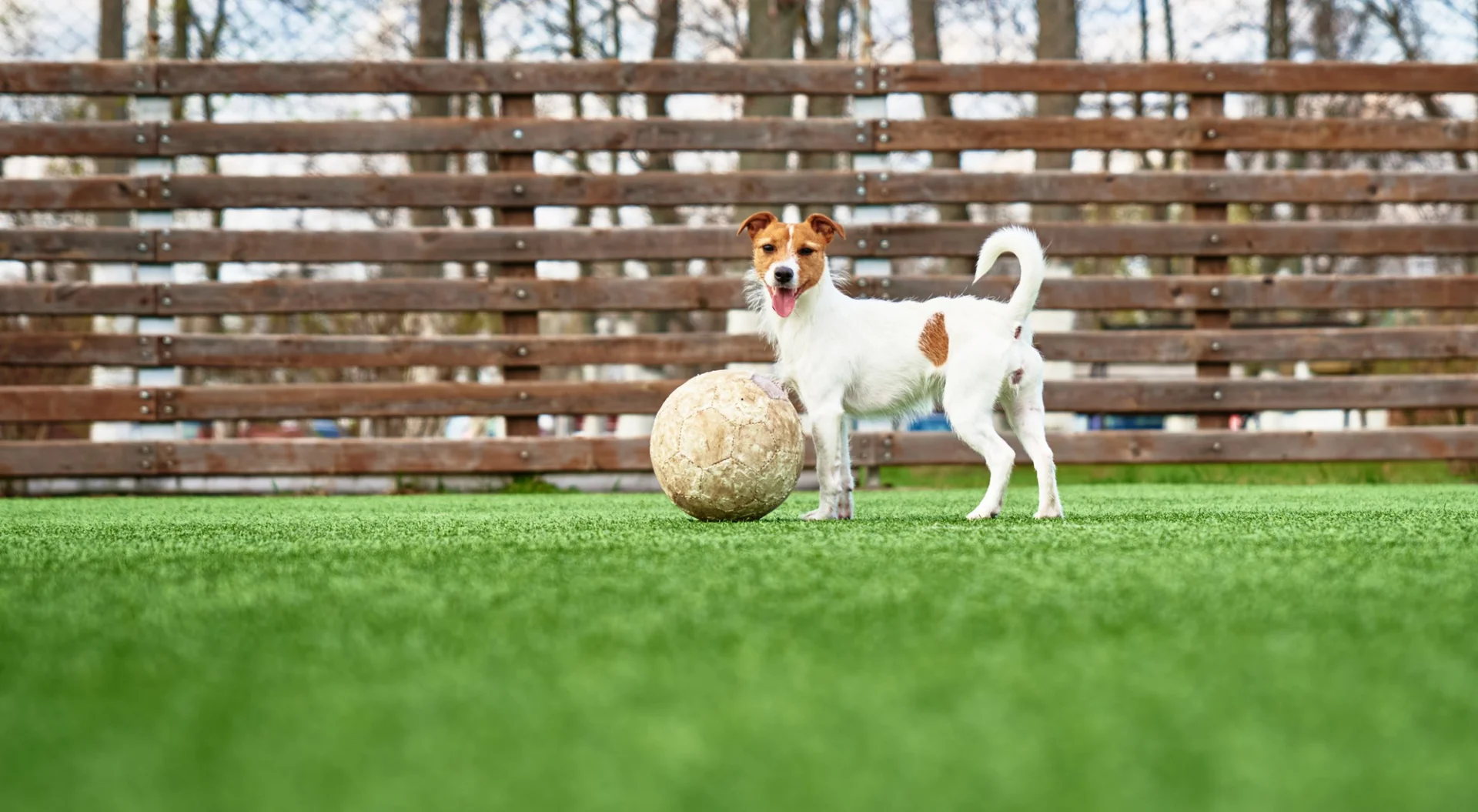
Not all artificial grass is designed with pets in mind. If your dog will use the lawn every day, look beyond colour and appearance.
Here are the key things to check:
- Good drainage: Urine and rainwater should drain away quickly rather than collect on the surface.
- Durable fibres: Choose fibres that can handle running, playing and regular foot traffic.
- Suitable pile height: A comfortable pile should feel good under your pet's paws while remaining practical to clean and maintain.
- Strong backing: Quality backing helps the lawn stay stable and withstand regular use.
- Pet-safe materials: Check the manufacturer's product information and choose grass specifically suitable for pets.
- Easy-to-clean surface: The lawn should make it simple to remove waste and rinse away urine.
- Quality installation: A well-prepared base and correctly installed drainage system are just as important as the grass itself.
If you are unsure what type of turf will suit your dog, speak to an experienced installer before choosing a product.
At Superior Lawn, we can help you consider factors such as your pet’s size, activity level and how often the garden is used.
Also Read: How to Stop Pets Digging and Damaging Artificial Grass
Is Artificial Grass Safe for Dogs and Other Pets?
Yes, artificial grass can be a safe option for dogs and other pets when you choose a suitable product and have it installed correctly.
The important point is that safety depends on more than the grass fibres themselves. Drainage, secure installation, product quality and regular cleaning all matter.
You should also prevent pets from chewing or pulling at loose sections of turf. Check the lawn occasionally for damage, particularly if you have a dog that likes to dig or chew.
For dogs that use the garden as a toilet, good drainage is essential. It helps urine and rainwater move through the lawn rather than leaving stagnant areas on the surface.
So, rather than asking whether artificial grass is simply safe or unsafe, look at which product you are buying, how it is installed and how you maintain it.
Choose a reputable pet-friendly product, install it properly and keep the lawn clean, and you can create a practical outdoor space for your pet.
How Do You Clean Artificial Grass After Your Pet Uses It?
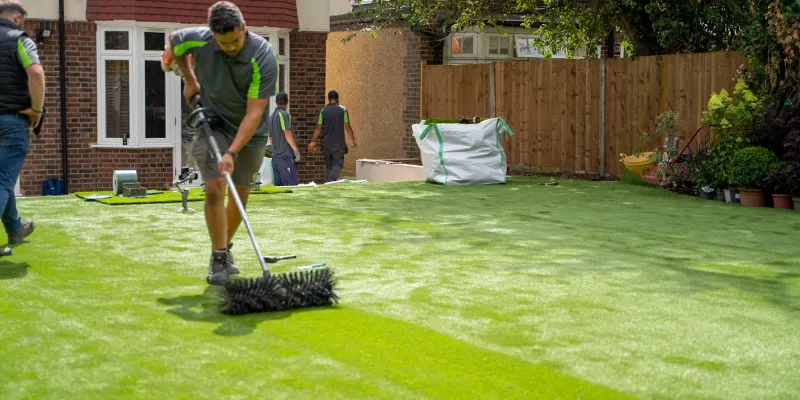
Keeping artificial grass clean after your pet uses it is straightforward. A simple routine can help prevent dirt, odours and waste from building up.
- Remove solid waste: Pick up dog waste promptly and dispose of it properly.
- Rinse the area: Use clean water to rinse away urine and loose dirt.
- Use a pet-safe cleaner: For deeper cleaning or lingering odours, use a product suitable for artificial grass and safe around pets.
- Let it drain: Make sure water can pass through the lawn rather than pooling on the surface.
- Brush the fibres: Occasionally brush the grass to lift flattened fibres and keep the lawn looking neat.
How often you need to clean it depends on how frequently your pet uses the lawn, the weather and how much traffic it gets. Regular rinsing is particularly useful in areas your dog uses frequently.
Conclusion: Is Artificial Grass Worth It for Pet Owners?
For many pet owners, artificial grass offers a practical alternative to natural turf. It can handle regular use, reduce muddy pawprints and make everyday lawn maintenance much simpler.
You still need to clean up after your pet and look after the lawn, but you can avoid many of the recurring jobs that come with natural grass, such as mowing, watering and repairing worn patches.
The key is choosing pet-friendly artificial grass with good drainage and having it installed properly.
Get those basics right, and you can have a clean, durable lawn that stays usable throughout the year, giving both you and your pet more enjoyment from the garden.
Frequently Asked Questions
Can dogs pee and poop on artificial grass?
Yes. Dogs can use artificial grass as they would a normal lawn. Pick up solid waste promptly and rinse urine away with water. Good drainage is important so liquids can pass through the lawn rather than collect on the surface.
Does artificial grass smell with dogs?
It can if urine is allowed to build up or the lawn has poor drainage. Regular rinsing, prompt waste removal and a suitable pet-safe cleaner can help keep odours under control.
Will dogs dig through artificial grass?
Artificial grass makes digging more difficult because there is no loose soil at the surface. However, determined dogs may still try. Secure installation and a designated digging area can help if your dog is a persistent digger.
Is artificial grass comfortable for pets?
Yes. Quality pet-friendly artificial grass is designed to provide a soft, consistent surface for dogs to run, play and relax on. Choosing an appropriate pile height also helps with comfort and everyday maintenance.
Does artificial grass need to be cleaned regularly?
Yes. Artificial grass needs less maintenance than natural turf, but it is not maintenance-free. Remove pet waste promptly, rinse areas regularly and brush the fibres occasionally to keep the lawn clean and looking its best.
Can artificial grass be used for cats?
Yes. Artificial grass can also be used in outdoor areas for cats. Choose a durable product with good drainage and make sure the lawn is securely installed, particularly if your cat likes to scratch or dig.
How long does artificial grass last with pets?
A quality artificial lawn can last for many years, even with regular pet use. Its lifespan depends on the quality of the grass, installation, foot traffic and maintenance. Regular cleaning and prompt repair