
Artificial grass is popular with pet owners because it is durable, low maintenance, and easier to keep clean than natural grass.
However, some dogs and pets still dig, scratch, or damage artificial turf, especially if they already have strong digging habits.
The good news is that high-quality artificial grass is usually far more resistant to pet damage than real lawns. But the turf quality, installation, and your pet’s behaviour all affect how well the lawn holds up over time.
In this guide, we’ll explain how to stop pets digging artificial grass, protect your lawn from damage, choose the best pet-friendly turf, and maintain artificial grass properly in homes with dogs.
- So… Is Artificial Grass Truly Safe for Children?
- What Makes Artificial Grass Safe for Children?
- How to Create a Child-Safe Artificial Grass Play Zone
- FAQs: What Every Parent Wants to Know
- Can kids play barefoot on artificial grass?
- Will artificial grass give my child rug burns?
- What if my child spills food or gets sick on the grass?
- Is it safe for babies and toddlers?
- Does artificial grass smell?
- Is it safe under the playground equipment?
- Will it help with allergies?
- Does artificial grass get too hot in summer?
Table of Contents
ToggleWhy Dogs and Pets Dig Artificial Grass in the First Place
Dogs rarely dig artificial grass simply because they dislike the surface.
In most cases, the behaviour starts for completely separate reasons.
Some dogs dig because they are:
- Bored
- Anxious
- Overstimulated
- Trying to cool down
- Following scents underneath the lawn
- Hiding toys or treats
- Releasing excess energy
Certain breeds also naturally dig more than others.
Terriers, Huskies, Beagles, and working breeds often retain strong digging instincts regardless of whether the surface is natural grass or artificial turf.
We’ve also seen dogs repeatedly target the same corners, fence lines, or shaded areas simply because those spots became part of an established habit over time.
This is important because artificial grass alone usually does not completely stop digging behaviour unless the root cause is addressed as well.
Must Read: Is Artificial Grass Good for Dogs? Complete Guide for Pet Owners
How to Stop Dogs Digging Artificial Grass
Stopping digging behaviour usually requires both behavioural training and physical prevention methods together. Simply replacing natural grass with artificial turf does not always solve the underlying habit completely.
1. Increase Daily Exercise and Mental Stimulation
Many dogs dig simply because they are bored or under-stimulated.
Increasing:
- Walks
- Playtime
- Scent games
- Training sessions
- Interactive toys
can often reduce digging behaviour significantly.
We’ve seen some dogs stop destructive digging almost entirely once their daily stimulation improved consistently.
2. Create a Dedicated Digging Zone
Some dogs naturally enjoy digging regardless of training. In these situations, creating a dedicated digging area can sometimes work surprisingly well.
Sand pits or designated soft-soil sections allow pets to release digging instincts without damaging the lawn itself.
Also Read: What are the Pros and Cons of Artificial Grass with Dogs? (Dog Owner’s Guide 2026 Updated)
3. Use Positive Reinforcement Training
Punishment often makes digging behaviour worse, particularly in anxious dogs.
Positive reinforcement training usually works far better long term.
Rewarding calm outdoor behaviour and redirecting pets away from problem areas tends to create more reliable habits over time.
4. Block Access to Problem Areas
Dogs often repeatedly target the same sections of the lawn.
Temporary barriers, planters, furniture placement, or fencing can sometimes help break the routine while training improves.
This is particularly useful around:
- Corners
- Fence lines
- Lifted edges
- Shaded digging spots
5. Keep Pets Cool and Comfortable Outdoors
Some dogs dig because they are trying to cool down. Artificial grass can become warmer during hot weather, especially in direct sunlight.
Providing:
- Shaded areas
- Fresh water
- Cooling mats
- Covered spaces
can reduce heat-related digging behaviour considerably.
Related Read: 10 Ways to Stop Artificial Grass From Getting Too Hot (Complete Cooling Guide)
6. Use Pet-Safe Digging Deterrents
Certain pet-safe deterrent sprays can discourage repeated scratching or digging in targeted sections.
However, harsh chemicals should always be avoided around artificial grass for pets. Strong-smelling homemade deterrents sometimes stain or damage certain turf products as well.
How to Choose Pet-Friendly Artificial Grass That Resists Digging
Not all artificial grass products perform equally well in homes with dogs.
Some cheaper turf options simply are not designed for heavy pet traffic and repeated scratching behaviour.
Choosing the right artificial grass from the beginning makes a huge difference to long-term durability.
Best Pile Height and Density for Dogs
Short to medium pile heights usually perform best for dogs.
Very long artificial grass fibres may flatten faster and can sometimes make digging easier because the surface feels softer underneath.
Denser turf generally performs better because:
- Fibres recover more easily
- The surface feels firmer
- Pets struggle to grip underneath the turf
- The lawn handles traffic more evenly
Many pet-friendly artificial grass products are specifically designed with stronger stitch rates and denser fibre structures for durability.
Why Strong Backing Matters
The backing is one of the most important parts of pet-friendly artificial grass.
A strong backing system helps prevent:
- Tearing
- Stretching
- Seam separation
- Edge lifting
We’ve seen lower-quality turf backings fail surprisingly quickly in homes with larger or highly active dogs. This is often where premium artificial grass becomes worth the extra investment long term.
The Importance of Proper Drainage
Good drainage matters heavily in pet-friendly gardens.
Without proper drainage:
- Odours can build up faster
- Moisture stays trapped longer
- Bacteria growth increases
- Infill becomes compacted
- The surface may weaken over time
Permeable artificial grass with a properly prepared sub-base usually handles pet use much more effectively.
How to Protect Artificial Grass From Damage During Installation
A strong installation is often the biggest factor in preventing future pet damage. Poorly installed turf almost always becomes vulnerable much faster in homes with dogs.
Secure the Edges Properly
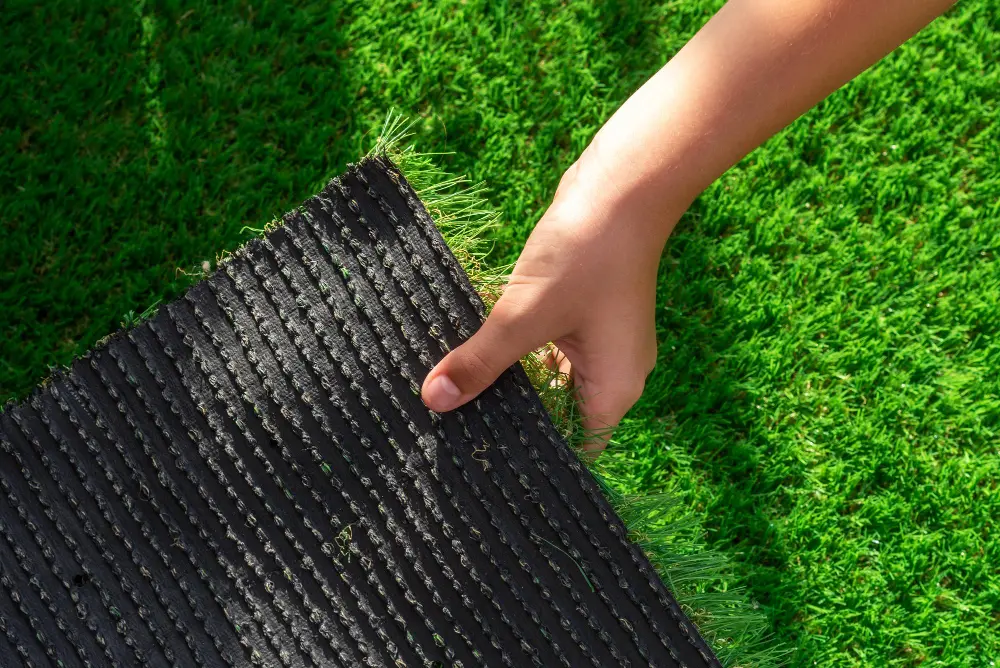
Loose edges are one of the first things dogs usually target. Proper edge fixing helps prevent pets getting underneath the turf and pulling sections upward.
This is especially important around:
- Fences
- Patios
- Flower beds
- Decking
- Pathways
Install a Strong Weed Membrane and Base
The sub-base underneath artificial grass plays a huge role in durability.
Weak foundations can lead to:
- Movement
- Sinking
- Wrinkling
- Drainage problems
A properly compacted base creates a much more stable surface for pets.
Use Joining Methods That Prevent Lifting
Weak joins are often the first major failure point in artificial grass installations.
Professional joining methods help reduce the risk of:
- Seam movement
- Separation
- Visible gaps
- Water penetration underneath the turf
This becomes even more important in gardens with larger dogs.
Add Shock Pads for Heavy Pet Traffic
Shock pads can help reduce pressure on the turf underneath heavily used areas.
They are particularly useful for:
- Larger dogs
- Play zones
- Repeated running paths
- High-impact sections
In some cases, they also improve comfort for pets while protecting the turf structure underneath.
Also Read: How to Maintain Artificial Grass for 10+ Years (Realistic Lifespan Guide)
Common Mistakes That Cause Artificial Grass to Lift, Tear, or Wrinkle
Certain installation and maintenance mistakes make artificial grass more prone to damage from dogs.
Common problems include:
- Poorly secured edges
- Weak joins
- Cheap backing materials
- Insufficient sub-base preparation
- Poor drainage
- Ignoring early lifting signs
- Allowing pets to repeatedly scratch one area
We’ve seen many artificial grass problems blamed on dogs when the real issue was actually poor installation underneath.
High-quality turf installed correctly is usually far more durable against pet activity.
Best Ways to Repair Pet Damage on Artificial Grass
Minor pet damage can often be repaired before the entire lawn becomes affected.
Common repairs include:
- Re-securing loose edges
- Repairing lifted joins
- Replacing damaged sections
- Reapplying infill
- Brushing flattened fibres upright
The sooner repairs are handled, the easier they usually are to fix.
Once moisture starts getting underneath lifted turf, larger sections can gradually weaken over time.
How to Maintain Artificial Grass in Homes With Dogs
Regular maintenance helps artificial grass stay cleaner, stronger, and more durable in pet-friendly gardens.
Fortunately, most upkeep is fairly simple once it becomes routine.
Cleaning Pet Urine and Odors
Artificial grass should be rinsed regularly in pet areas to prevent odour build-up.
Enzyme-based artificial grass cleaners are often much more effective than household cleaners because they break down bacteria causing the smell.
Regular cleaning also helps maintain drainage performance over time.
Preventing Wear in High-Traffic Areas
Dogs often create repeated running routes across the lawn.
Rotating play areas and brushing frequently used sections can help reduce uneven wear patterns developing over time.
Brushing and Maintaining Turf Fibres
Regular brushing helps:
- Lift flattened fibres
- Redistribute infill
- Improve airflow
- Remove debris
- Maintain a more natural appearance
Homes with multiple dogs often benefit from more frequent brushing schedules.
Final Thoughts
Artificial grass is generally far more durable than natural lawns for homes with dogs, but long-term performance still depends heavily on the quality of the turf, the installation, and ongoing maintenance.
The strongest results usually come from combining:
- Durable pet-friendly turf
- Proper installation
- Behavioural training
- Regular maintenance
When installed correctly, artificial grass can handle years of pet use while remaining clean, durable, and visually attractive.
Most importantly, dealing with small issues early often prevents much larger repair problems later.
Frequently Asked Questions
Can dogs rip up artificial turf?
They can if the turf is poorly installed or the edges become loose. Properly installed artificial grass is much harder for dogs to damage. Most issues usually start when dogs find weak edges or lifted seams and repeatedly scratch the same area.
What is the best brush for artificial grass?
Dense, durable artificial grass with strong backing and good drainage usually performs best in homes with dogs. Pet-friendly turf is specifically designed to handle heavy traffic, scratching, and regular cleaning more effectively.
How long does pet-friendly turf last?
High-quality pet-friendly artificial grass can often last well over 10 years with proper installation and maintenance. Regular brushing and cleaning can also help reduce wear in high-traffic pet areas over time.
Will dogs stop digging after artificial grass installation?
Some dogs do reduce digging behaviour, but persistent diggers may still continue unless behavioural causes are addressed. Exercise, mental stimulation, and training are often just as important as the turf itself.
How do you fix lifted artificial grass edges?
Lifted edges usually need re-securing with proper fixing methods before the damage spreads further underneath the lawn. Repairing loose sections early is important because dogs often continue targeting already lifted areas.