
Artificial grass doesn’t attract ants and insects on its own.
Unlike natural lawns, it doesn’t provide a food source for pests.
However, certain conditions around artificial turf, such as food spills, standing water, pet waste, and garden debris, can create an environment where insects are happy to settle.
The good news is that preventing ants and insects in artificial turf is much easier than dealing with an established infestation.
With regular cleaning, proper drainage, and a few simple maintenance habits, you can keep your artificial lawn clean, hygienic, and pest-free throughout the year.
In this post, we’ll explain why insects appear, how to prevent them, and what to do if they become a recurring problem.
- So… Is Artificial Grass Truly Safe for Children?
- What Makes Artificial Grass Safe for Children?
- How to Create a Child-Safe Artificial Grass Play Zone
- FAQs: What Every Parent Wants to Know
- Can kids play barefoot on artificial grass?
- Will artificial grass give my child rug burns?
- What if my child spills food or gets sick on the grass?
- Is it safe for babies and toddlers?
- Does artificial grass smell?
- Is it safe under the playground equipment?
- Will it help with allergies?
- Does artificial grass get too hot in summer?
Table of Contents
ToggleWhy Are Ants and Insects Attracted to Artificial Turf?
Artificial grass itself isn’t the problem. Most insects are attracted by the conditions around the lawn rather than the turf fibres themselves.
Here are the most common reasons ants and other insects appear on artificial grass.
Food and Drink Spills
Food crumbs, sugary drinks, and barbecue leftovers are some of the biggest attractions for ants. Even small spills can attract worker ants searching for food, eventually leading them to establish trails or nearby nests.
Cleaning up spills promptly helps remove the scent trails that ants use to guide the rest of the colony.
Moisture and Poor Drainage
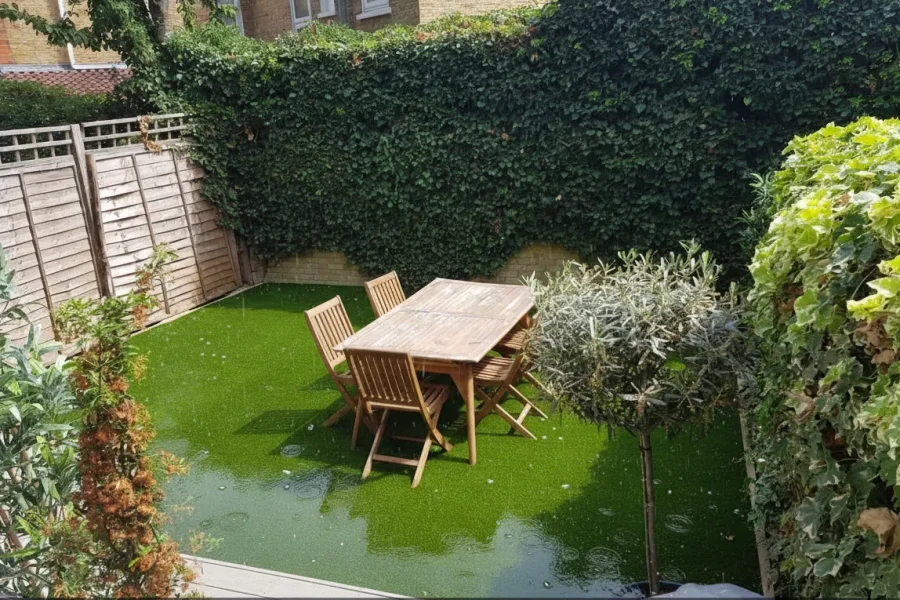
Many insects thrive in damp conditions. If water regularly pools on your artificial grass because of blocked drainage or an uneven sub-base, it creates an ideal environment for ants, beetles, and other crawling insects.
Keeping your lawn well-drained not only helps prevent moss but also makes it less attractive to unwanted pests.
Related Read: Why Your Artificial Lawn Isn’t Draining Properly and What To Do About It
Leaves and Organic Debris
Leaves, grass clippings, soil, and other garden debris trap moisture and provide shelter for insects. As organic material breaks down, it also attracts insects looking for food and nesting sites.
Removing debris regularly is one of the easiest ways to discourage pests from settling on your lawn.
Warm, Sheltered Areas Beneath the Turf
The area beneath artificial grass can stay warm and protected, making it an attractive place for ants to build nests, particularly during warmer months.
If the edges of the turf aren’t sealed properly or gaps develop over time, insects can access the space underneath more easily.
Regular inspections can help you spot these problems before they become larger infestations.
Also Read: How to Stop Pets Digging and Damaging Artificial Grass
What Types of Insects Are Common in Artificial Grass?
Artificial grass generally attracts fewer insects than natural lawns, but some pests can still appear if the surrounding conditions are favourable.
Ants
Ants are the most common insects found around artificial turf. They often build nests beneath the edges of the lawn or in nearby soil and travel across the surface in search of food.
While they rarely damage the turf itself, large colonies can become a nuisance if left untreated.
Spiders
Spiders don’t feed on artificial grass, but they may build webs around fences, borders, and garden furniture if other insects are present.
Keeping insect numbers low naturally helps reduce spider activity as well.
Fleas and Ticks
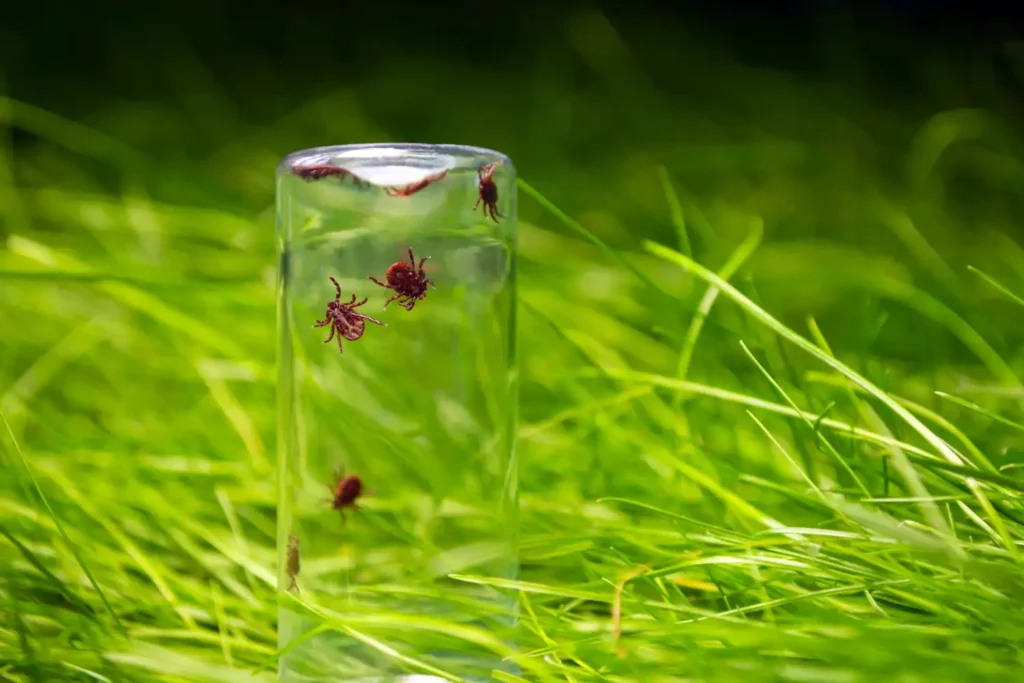
If pets regularly use the lawn, fleas and ticks may occasionally be introduced onto the artificial grass. These pests usually arrive on animals rather than living permanently in the turf.
Regular pet treatments and routine cleaning help minimise the risk.
Beetles and Other Crawling Insects
Ground beetles, woodlice, earwigs, and other small crawling insects may shelter beneath leaves, mulch, or damp debris near artificial grass.
While most are harmless, they can become more noticeable if the lawn isn’t maintained regularly.
Recommended Read: What Can Damage Artificial Grass? Causes, Prevention & Repair Guide
How Do You Prevent Ants and Insects in Artificial Turf?
The best way to avoid insect problems is to remove the things that attract them.
A simple maintenance routine can significantly reduce the chances of ants and other pests settling around your artificial lawn.
Clean Up Food and Pet Waste Quickly
Food scraps, sugary drinks, and pet waste attract ants and other insects within a short time.
After outdoor meals or children’s parties, clear away crumbs and spills promptly. If pets use the lawn, remove waste as soon as possible and rinse the area to eliminate lingering odours.
Remove Leaves and Garden Debris Regularly
Leaves, twigs, and other organic material provide shelter and moisture for insects.
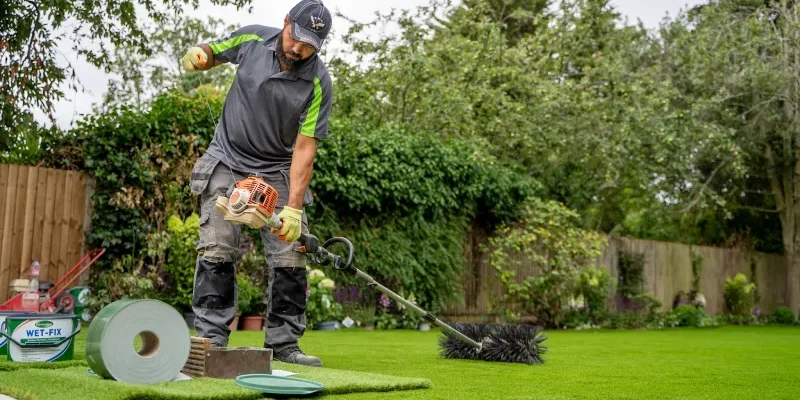
Use a leaf blower, plastic rake, or stiff broom to remove debris every couple of weeks, especially during autumn when leaves accumulate more quickly.
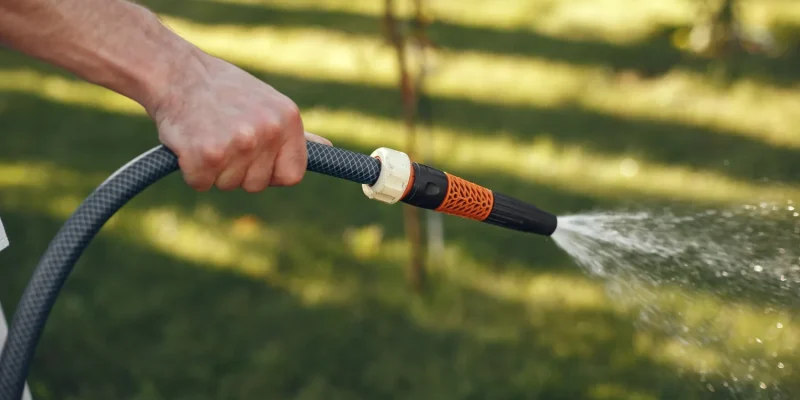
Keep the Turf Clean with Occasional Rinsing
Giving your artificial grass an occasional rinse helps wash away dust, pollen, food residue, and other substances that may attract insects.
For most gardens, a quick rinse with a garden hose every few weeks is enough to keep the surface clean.
Also Read: Can You Pressure Wash Artificial Grass?
Fix Drainage Problems
Standing water encourages insects and creates damp conditions where pests can thrive.
If water regularly pools on your lawn after rain, inspect the drainage system and deal with any blocked drains or uneven areas before they lead to bigger problems.
Trim Back Nearby Plants and Shrubs
Overgrown hedges, shrubs, and ground cover provide easy access and shelter for insects.
Keeping surrounding plants neatly trimmed improves airflow, allows more sunlight onto the lawn, and reduces places where pests can hide.
Inspect the Edges of the Lawn for Nests
Ants often build nests around the perimeter of artificial grass rather than directly on the surface.
Check the lawn edges, paving joints, flower beds, and nearby soil every so often for signs of ant activity. Catching small nests early is much easier than dealing with a large colony later.
At Superior Lawn, we always recommend combining regular cleaning with seasonal inspections.
A little preventative maintenance goes a long way in keeping artificial turf looking its best and free from unwanted insects.
How Do You Get Rid of Ants in Artificial Grass?
If you’ve noticed ants on your artificial lawn, don’t panic. In most cases, you can get rid of them without damaging the turf.
The key is to target the nest rather than simply treating the ants you see on the surface.
Locate the Nest
Start by following the ants to find where they’re coming from. Nests are often hidden around the edges of the lawn, beneath paving slabs, in flower beds, or under the turf if there are gaps around the perimeter.
Treating the nest directly is much more effective than repeatedly removing ants from the surface.
Use Ant Bait Instead of Surface Sprays
Ant bait is usually the most effective way to eliminate a colony. Worker ants carry the bait back to the nest, where it reaches the queen and the rest of the colony.
Surface sprays may kill visible ants, but they rarely solve the problem because the nest remains active underneath.
Choose Pet-Safe Treatments Where Needed
If children or pets regularly use the lawn, choose ant treatments labelled as pet safe once dry. Follow the manufacturer’s instructions carefully and keep the area clear until it’s safe to use again.
Avoid placing bait stations where pets or young children can easily reach them.
When to Call a Pest Control Professional
If ants keep returning despite treatment or you’ve discovered several large nests beneath or around the turf, it may be time to call a pest control specialist.
At Superior Lawn, we also recommend having the artificial grass inspected if recurring ant problems are linked to drainage issues, gaps around the edges, or debris trapped beneath the turf.
Can You Use Insect Killer on Artificial Turf?
Yes, but not every insect killer is suitable for artificial grass.
Using the wrong product can damage the turf backing or leave harmful residues behind.
Safe Insecticides
Choose insecticides that are:
- Safe for artificial grass
- Suitable for outdoor residential use
- Effective against the specific insect you're treating
- Safe for pets and children once dry
Granular or enclosed bait products are often a better option than spraying large areas of the lawn.
Safe Insecticides
Avoid using:
- Bleach-based products
- Strong solvents
- Petroleum-based chemicals
- Insecticides not approved for synthetic surfaces
These products can damage the grass fibres, weaken the backing, or cause discolouration.
Pet and Child Safety Tips
Always read the product label before use. Keep pets and children away from the treated area until it is completely dry or the recommended waiting period has passed.
If you’re unsure which product to use, a professional artificial grass cleaning service can often resolve pest issues without relying on harsh chemicals.
Does Artificial Grass Attract Bugs More Than Natural Grass?
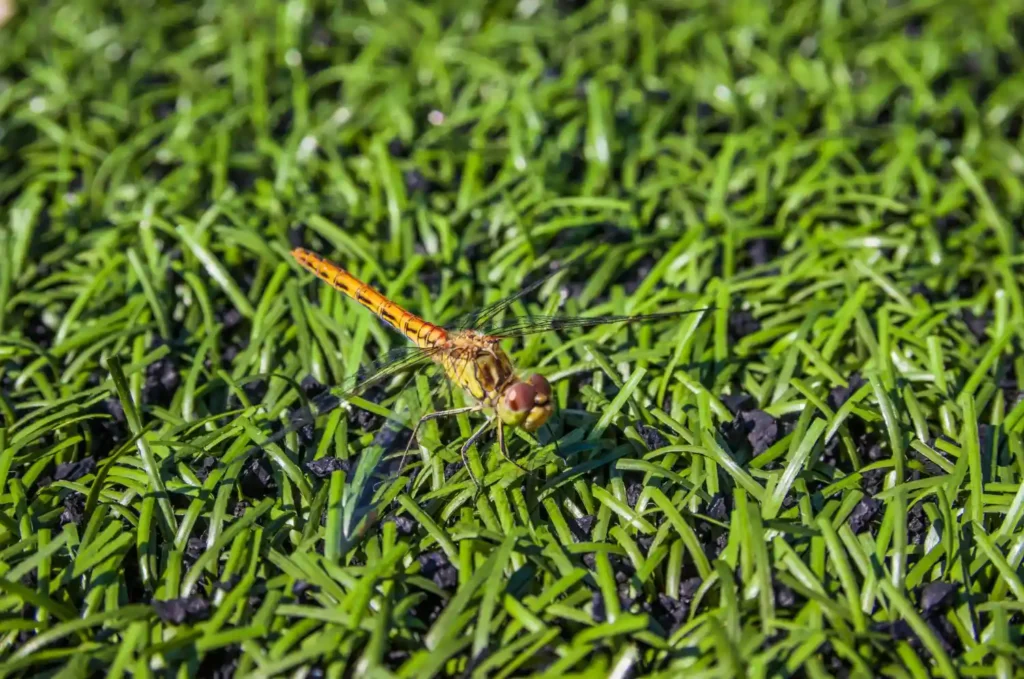
No. In fact, artificial grass generally attracts fewer insects than natural grass because it doesn’t provide a food source like living plants do.
Natural lawns contain soil, roots, and vegetation that support insects such as ants, beetles, worms, and other pests. Artificial turf removes many of these natural habitats, making it less appealing overall.
That said, artificial grass can still attract insects if food waste, pet waste, standing water, or garden debris are left on the surface. Poor maintenance, rather than the turf itself, is usually the reason pests appear.
With regular brushing, occasional rinsing, and good drainage, most homeowners experience very few insect problems.
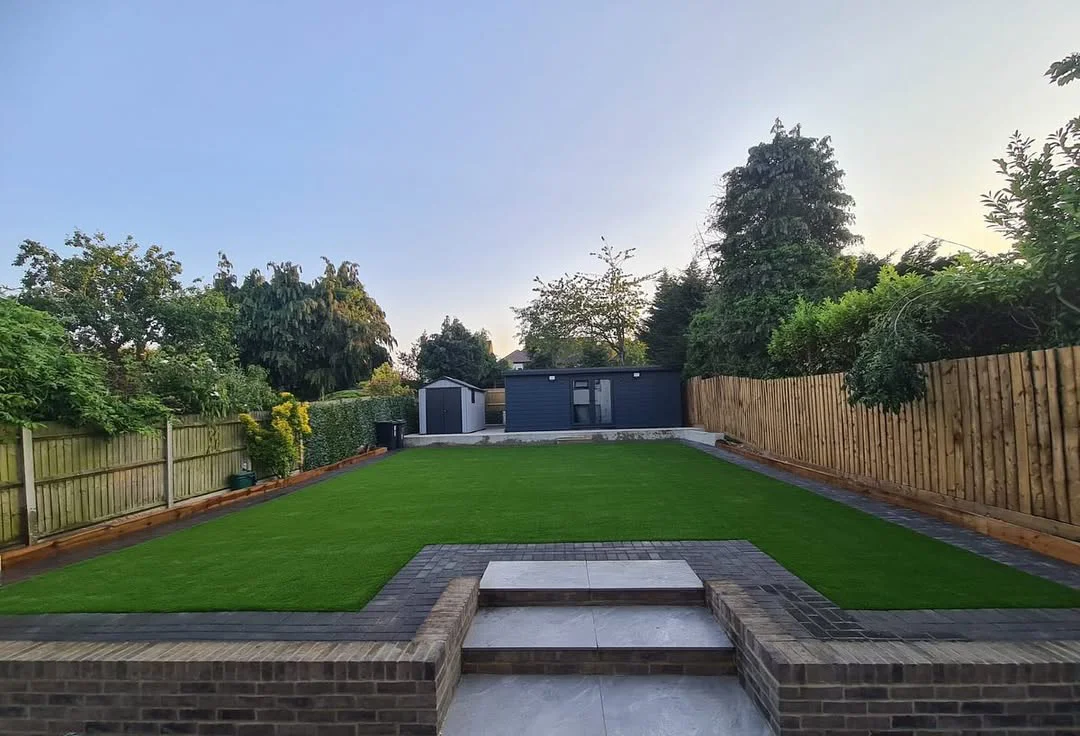
How Often Should You Clean Artificial Turf to Prevent Insects?
Regular cleaning is the best way to stop ants and insects from making your artificial lawn their home. A simple maintenance routine keeps the surface clean, removes food sources, and prevents damp conditions that attract pests.
Here’s a good schedule to follow:
- Weekly: Remove pet waste, food scraps, and visible debris.
- Every 2–4 weeks: Brush the grass and clear away leaves, twigs, and other organic matter.
- Monthly: Rinse the turf with clean water to remove dust, pollen, and residue.
- Once or twice a year: Carry out a deep clean to remove trapped debris, check drainage, and inspect for signs of pests.
At Superior Lawn, we recommend professional artificial grass cleaning every 12 to 18 months, especially for heavily used gardens, homes with pets, or lawns surrounded by trees.
A deeper clean helps keep your turf hygienic and reduces the risk of recurring insect problems.
Frequently Asked Questions
Why are there ants in my artificial grass?
Ants are usually attracted by food crumbs, sugary drinks, pet food, or nearby nests rather than the artificial grass itself. Damp conditions and gaps around the lawn edges can also encourage colonies to settle.
Does artificial grass attract insects?
No. Artificial grass doesn’t naturally attract insects because it isn’t a food source. However, poor maintenance, standing water, and organic debris can create conditions where insects are more likely to appear.
Can bugs live under artificial turf?
Yes. Ants and some other insects may build nests beneath or around artificial turf if there are gaps, loose edges, or nearby soil. Regular inspections and good installation help reduce this risk.
What is the best ant killer for artificial grass?
Enclosed ant bait stations are usually the most effective option because they target the entire colony rather than just the ants on the surface. Always choose products that are suitable for outdoor use and safe for artificial turf.
Is artificial grass safe for pets after insect treatment?
Yes, provided you use pet-safe products and follow the manufacturer’s instructions. Keep pets off the treated area until it is completely dry or the recommended waiting period has passed.
How do I stop ants coming back?
The best way to prevent ants returning is to remove food sources, clear leaves and debris regularly, improve drainage, and deal with nests as soon as you notice them. Consistent maintenance is far more effective than repeated treatments.
Should I remove artificial grass if insects keep returning?
No. Persistent insect problems are usually caused by poor drainage, nearby nests, or surrounding garden conditions rather than the artificial grass itself. In most cases, improving maintenance or arranging a professional inspection is enough to solve the problem without replacing the lawn.