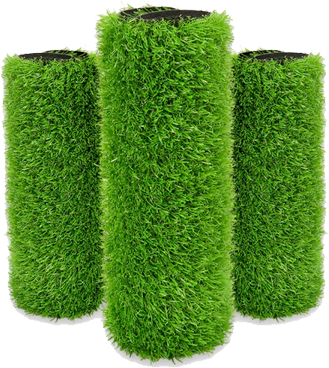

Artificial grass can look remarkably similar to a natural lawn, but what is it actually made of?
Behind its green blades is a combination of synthetic fibres, backing materials and, in some products, additional infill.
Understanding these materials can help you compare different types of artificial turf and choose a product that suits your garden.
Whether you’re planning a complete garden makeover or replacing an existing lawn, knowing how synthetic grass is constructed gives you a better idea of what affects its appearance, comfort and durability.
- So… Is Artificial Grass Truly Safe for Children?
- What Makes Artificial Grass Safe for Children?
- How to Create a Child-Safe Artificial Grass Play Zone
- FAQs: What Every Parent Wants to Know
- Can kids play barefoot on artificial grass?
- Will artificial grass give my child rug burns?
- What if my child spills food or gets sick on the grass?
- Is it safe for babies and toddlers?
- Does artificial grass smell?
- Is it safe under the playground equipment?
- Will it help with allergies?
- Does artificial grass get too hot in summer?
Table of Contents
ToggleWhat is Artificial Grass Made of? (Quick Answer)
Artificial grass is generally made from synthetic plastic fibres attached to a supporting backing. The three main materials used to manufacture its blades are polyethylene (PE), polypropylene (PP) and nylon (polyamide).
Each material has different properties.
Polyethylene is commonly used for residential lawns because of its soft feel, while polypropylene and nylon offer other characteristics relating to structure, strength and resilience.
The finished product may also include a primary backing, a secondary coating and drainage holes. Some varieties use infill materials such as silica sand, although this isn’t necessary for every type of artificial grass.
Also Read: What Can Damage Artificial Grass? Causes, Prevention & Repair Guide
What Materials Are Used to Make Artificial Grass?
The plastic used to manufacture artificial grass affects how its fibres feel, look and respond to regular use. Here’s how the three main materials differ.
Polyethylene (PE)
Polyethylene is one of the most common materials used in artificial grass, particularly products designed for domestic gardens.
Its popularity comes from its relatively soft texture and natural-looking appearance. The fibres can be manufactured in different shapes, shades and thicknesses to imitate the variation found in real grass.
For homeowners, polyethylene is often a practical choice for everyday garden use. It can create a comfortable surface for relaxing, entertaining and general outdoor activities.
Polypropylene (PP)
Polypropylene is another plastic used in synthetic turf. It can be found in grass fibres and backing materials, depending on how a particular product is manufactured.
Compared with polyethylene, polypropylene fibres are generally firmer and can have different wear and heat characteristics.
They may be used in combination with other materials to achieve a particular texture, structure or price point.
Its suitability depends on the product design and intended application. This is why it’s worth looking beyond the material name and checking the overall specifications of the grass.
Nylon (Polyamide)
Nylon is known for its strength and resilience. Its fibres can withstand repeated pressure and are often used where resistance to wear and recovery are important.
However, nylon can feel firmer than polyethylene, so it isn’t automatically the best option for every domestic garden. Its use depends on the type of surface being produced and the performance required.
For a residential lawn, the right choice comes down to the balance between appearance, comfort and expected use.
Related Read: How Much Does Artificial Grass Cost in London? 2026 Updated
What Are the Different Types of Artificial Grass Fibres?
The material used to make a blade is only one part of its construction. Manufacturers can also produce fibres in different shapes and styles to influence how the finished lawn looks and performs.
Monofilament Fibres
Monofilament fibres are made as individual strands. Each blade is formed separately, allowing manufacturers to create different cross-sectional shapes, thicknesses and profiles.
These fibres can be designed to resemble individual blades of natural grass. Their shape and structure can also help them maintain an upright appearance, depending on the product.
Fibrillated Fibres
Fibrillated fibres are made from wider plastic ribbons that are slit or cut into smaller sections. These sections can then open out into a network of finer strands.
This construction creates a different appearance from individual monofilament blades. Fibrillated fibres are used in various types of synthetic turf, particularly where a more structured surface is required.
Textured Fibres
Textured fibres are shaped or curled during manufacturing to create additional volume and variation.
They are often used alongside straighter fibres to give the lawn a fuller appearance. The combination can help reduce the uniform look that sometimes makes artificial turf appear less natural.
The fibre material and its construction work together.
Two products made from polyethylene, for example, can still look and feel quite different because of their blade shape, thickness and density.
Read in depth: Artificial Grass vs Real Grass: Which Is Better in 2026?
What Is the Backing of Artificial Grass Made Of?
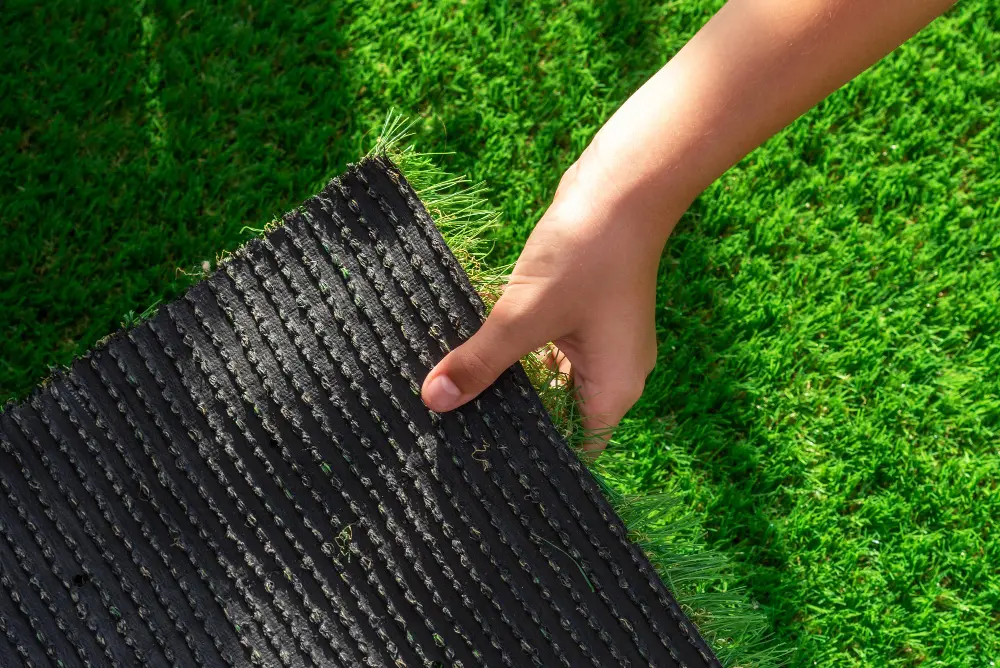
The backing is the supporting structure beneath the visible grass blades. It holds the fibres in position and helps give the artificial grass its overall construction.
Most tufted products have two main backing layers.
Primary Backing
The primary backing is the fabric into which the synthetic fibres are stitched or tufted. It acts as the foundation for the visible grass blades.
This layer is commonly made from woven or non-woven synthetic materials, often polypropylene or polyester. During manufacturing, the grass fibres are pushed through the backing to create rows of artificial blades.
Secondary Backing
The secondary backing is a coating applied to the underside of the primary layer. Its main purpose is to help secure the fibres and reduce the likelihood of them pulling out.
Common coating materials include latex and polyurethane. The exact material and application method vary between products.
Together, the two layers help keep the fibres in place and provide structural support. When comparing artificial grass, it’s worth considering the backing quality as well as the appearance of the blades.
What Is the Purpose of Drainage Holes in Artificial Grass?
Artificial grass designed for outdoor use often has small perforations in its backing. These are drainage holes that allow rainwater to pass through the grass rather than collecting on the surface.
Once water passes through the backing, it needs to drain away through the layers underneath. This means the ground preparation is just as important as the grass itself.
A suitable sub-base helps provide a stable foundation and supports effective drainage. If the ground beneath the turf is poorly prepared or doesn’t allow water to escape, drainage problems can still occur.
For more detail, read our guide on how to lay artificial grass, which explains the main stages involved in preparing and installing a synthetic lawn.
What Is Artificial Grass Infill Made Of?
Infill is a granular material that can be spread between the grass fibres. Its purpose depends on the product and the type of installation.
Not all artificial grass requires infill. Some residential products are designed to be installed without additional material, while others may benefit from a recommended infill to support the fibres or add weight.
Common infill materials include:
- Silica sand: A granular material used in some products to add weight and help support the grass fibres.
- Rubber granules: Small pieces of rubber used in certain synthetic turf systems, particularly some sports surfaces where cushioning is required.
- Alternative organic or specialist materials: Depending on the product, options can include cork, coconut-based materials and manufactured granules.
The right choice depends on the manufacturer’s specifications and the intended use of the grass.
Using an unsuitable infill can affect the finished surface, so always follow the product guidance rather than assuming that every artificial lawn needs sand.
How Is Artificial Grass Manufactured?
Artificial grass goes through several production stages before it arrives ready for installation.
The process generally follows these steps:
- Synthetic materials are processed into yarn: Plastic polymers are heated and formed into fine strands or wider ribbons that will become the grass fibres.
- The fibres are tufted into the primary backing: The yarn is stitched through a supporting fabric to create the visible grass pile.
- A secondary coating is applied: Latex, polyurethane or another suitable coating helps secure the fibres to the backing.
- Drainage and finishing details are checked: Products designed for outdoor use may have perforations added to allow water to pass through.
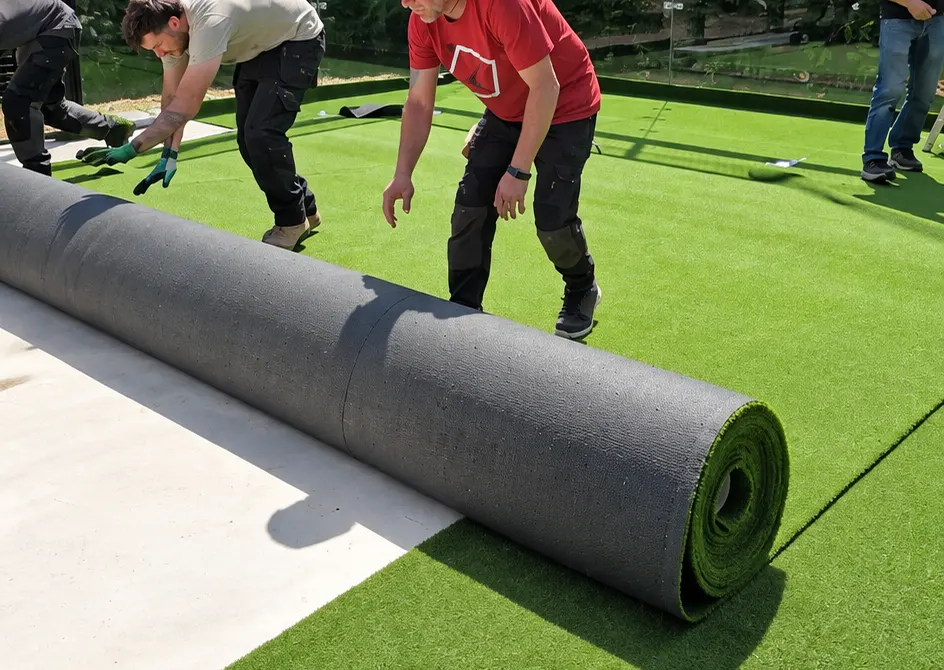
- The finished rolls undergo quality checks: Manufacturers inspect the product before rolling and packaging it for delivery.
The exact process varies between manufacturers and product ranges. Differences in yarn shape, fibre density, backing construction and finishing can all influence the final result.
Is Artificial Grass Safe and Environmentally Friendly?
Artificial grass is made from manufactured materials, so it’s worth understanding both the product’s quality and its environmental impact before choosing it.
The plastic fibres and backing are designed for outdoor conditions. Depending on the product, manufacturers may also use UV stabilisers to help the grass resist fading and degradation caused by sunlight.
However, not all artificial grass is made to the same specification.
Product composition, manufacturing standards and intended use can vary, so homeowners should check the manufacturer’s information rather than assume every product has identical properties.
There are also environmental considerations.
Synthetic turf doesn’t grow or decompose like natural grass, and products made from multiple materials can be difficult to separate for recycling.
Infill materials may also need to be handled carefully to prevent them from spreading into surrounding areas.
This doesn’t mean every product has the same environmental impact. It means it’s sensible to consider material composition, expected lifespan and end-of-life disposal when comparing options.
Choosing the Right Artificial Grass for Your Garden
Knowing what artificial grass is made of is a useful starting point, but the best product isn’t necessarily the one with the most complicated construction or the highest price.
Consider how you plan to use your garden, the feel and appearance you want, and the product’s fibre and backing specifications. You should also think about the condition of the existing ground and the preparation needed before installation.
If you’re still comparing options, take a look at our guide on how to choose artificial grass in London.
You can also explore our advice on choosing an artificial grass company in London before arranging your installation.
At Superior Lawn, we install artificial grass for gardens across London. Get in touch to arrange a free survey and discuss the right option for your outdoor space.
Frequently Asked Questions
Is artificial grass made entirely of plastic?
The visible grass blades are generally made from synthetic plastics such as polyethylene, polypropylene or nylon. However, the complete product can also include fabric backing, latex or polyurethane coatings and, in some cases, separate infill materials.
What type of plastic is used in artificial grass?
The three main plastics used for artificial grass fibres are polyethylene, polypropylene and nylon. Polyethylene is widely used in residential lawns, while polypropylene and nylon are used in different products depending on their required properties.
Does artificial grass contain rubber?
Not all artificial grass contains rubber. Rubber granules are used as infill in some synthetic turf systems, particularly certain sports surfaces. Most domestic garden products don’t automatically require rubber infill.
Is artificial grass toxic?
You shouldn’t assume that every synthetic grass product has the same composition or safety characteristics. The materials and manufacturing standards can differ, so check the manufacturer’s product information and any relevant test documentation before buying.
Does all artificial grass need sand infill?
No. Some products are designed to be installed without infill, while others have specific recommendations for sand or another material. Always follow the manufacturer’s instructions for the particular grass you’ve chosen.
Can artificial grass be recycled?
Some artificial grass components can be recycled or reused, but the process can be complicated because the fibres, backing and coatings may be made from different materials. Recycling options also depend on local facilities and the product’s construction.
Does artificial grass contain latex?
Some artificial grass products use latex as a secondary backing coating to help secure the fibres. Others use polyurethane or alternative backing systems. Check the product specifications if you need to avoid a particular material.