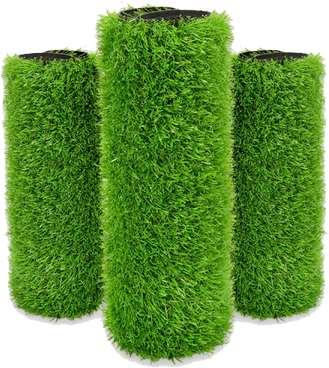

Summer is usually when homeowners start noticing the problems with natural grass the most.
At the beginning of the season, the lawn may look healthy and green, but after a few weeks of warm weather, heavy foot traffic, outdoor gatherings, pets, and occasional rainfall, many lawns quickly become difficult to maintain properly.
Some areas dry out completely while others turn muddy after rain. Certain sections wear down faster than expected, especially in gardens used daily by children or pets.
Keeping the lawn looking tidy suddenly becomes another weekly task that demands constant attention throughout summer.
That’s one of the main reasons artificial grass has become increasingly popular across London in recent years.
For many homeowners, artificial turf offers something natural lawns often struggle to provide consistently: a clean, low-maintenance garden that stays presentable without ongoing upkeep.
And in London specifically, where gardens are often compact, shaded, heavily used, or affected by drainage issues, artificial grass has become a practical long-term solution rather than simply a decorative landscaping feature.
- So… Is Artificial Grass Truly Safe for Children?
- What Makes Artificial Grass Safe for Children?
- How to Create a Child-Safe Artificial Grass Play Zone
- FAQs: What Every Parent Wants to Know
- Can kids play barefoot on artificial grass?
- Will artificial grass give my child rug burns?
- What if my child spills food or gets sick on the grass?
- Is it safe for babies and toddlers?
- Does artificial grass smell?
- Is it safe under the playground equipment?
- Will it help with allergies?
- Does artificial grass get too hot in summer?
Table of Contents
ToggleWhy More London Homeowners Are Choosing Artificial Grass
Artificial grass used to be viewed very differently a few years ago.
Most people associated it with overly bright, unrealistic-looking lawns that were mainly installed for appearance rather than practicality.
But modern artificial grass products have improved significantly, and homeowners are now choosing them for reasons that go far beyond aesthetics.
A lot of London homeowners simply want a garden that stays usable throughout the year without requiring continuous maintenance.
Natural lawns can be surprisingly difficult to manage in urban environments. Some gardens receive very little sunlight because of surrounding buildings or fencing.
Others struggle with drainage after periods of rain. Certain lawns become damaged constantly by pets, children, or repeated foot traffic.
And during summer, these problems usually become even more noticeable.
We’ve seen many homeowners become frustrated with patchy grass, muddy areas, or lawns that never seem to recover properly no matter how much maintenance they put into them.
In many cases, the issue isn’t poor lawn care. It’s simply that the garden conditions make maintaining healthy natural grass difficult long term.
Artificial grass removes many of those variables entirely.
Instead of relying on sunlight, watering schedules, soil quality, and seasonal growth cycles, the surface remains visually consistent throughout the summer with very little effort required from the homeowner.
That convenience is one of the biggest reasons demand for artificial grass in London continues growing.
Also Read: How Much Does Artificial Grass Cost in London? 2026 Updated
What Makes Artificial Grass Ideal for Summer?
Summer places the highest level of stress on natural lawns.
The combination of heat, dry weather, increased garden usage, outdoor entertaining, pets, and children playing outside every day can quickly leave natural grass looking worn out.
Even lawns that are properly maintained throughout spring often begin struggling once temperatures rise and usage increases.
Artificial grass performs differently because it doesn’t rely on natural growing conditions to maintain its appearance.
The lawn doesn’t dry out during hotter periods. It doesn’t develop brown patches from lack of water. And it doesn’t become muddy every time there’s heavy rainfall.
For homeowners, that creates a much more reliable outdoor space during the months when the garden is being used most often.
This becomes especially useful in London where weather conditions can change quickly. A lawn that looks dry and worn one week may become muddy the next after a few days of rain.
Artificial turf provides far more consistency throughout those seasonal changes.
For busy households, that often means less time spent maintaining the garden and more time actually using it.
Top Benefits of Artificial Grass in Summer
No More Mud or Patchy Lawns
One of the biggest frustrations homeowners face with natural grass during summer is how quickly the lawn can become uneven and messy.
After periods of heavy rain, muddy sections often appear across the garden, especially in areas with poor drainage or frequent foot traffic.
Then during hotter weather, certain parts of the lawn may dry out completely, creating patchy brown sections that make the garden look neglected even when it’s maintained regularly.
Artificial grass removes most of these problems because the surface stays consistent throughout changing weather conditions.
Instead of dealing with muddy footprints, worn patches, or damaged grass, homeowners get a cleaner and more reliable outdoor surface that remains usable all summer long.
Low-Maintenance Gardens All Summer
Natural lawns require continuous upkeep during warmer months.
There’s mowing, watering, edging, weed control, feeding, and repairing worn sections whenever the grass becomes damaged. For busy households, maintaining a healthy lawn can quickly become time-consuming.
Artificial grass dramatically reduces that workload.
Aside from occasional brushing or rinsing, very little routine maintenance is needed to keep the lawn looking tidy. That’s one of the main reasons many London homeowners choose artificial turf in the first place.
The garden continues looking maintained without demanding constant attention every weekend.
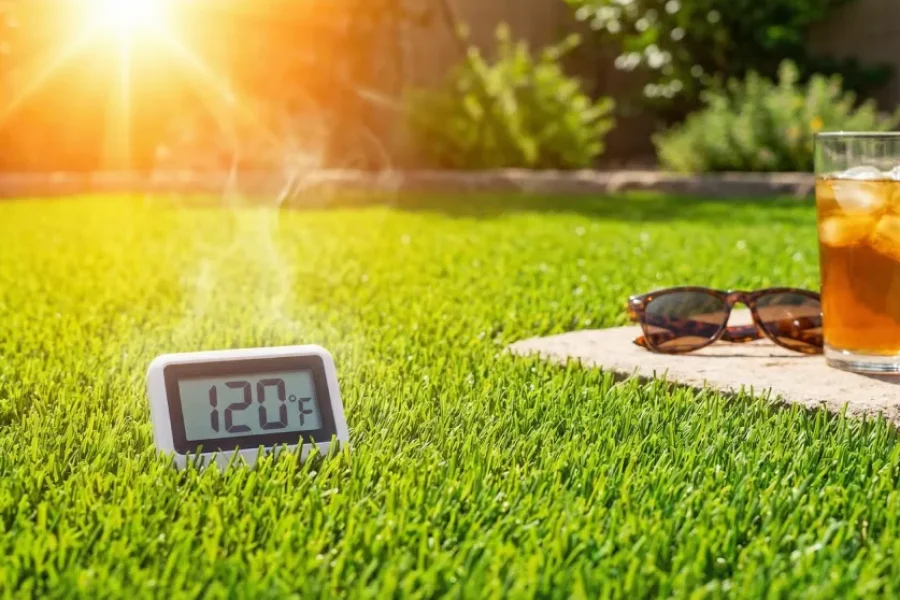
Stays Green During Heatwaves
Summer heat can be difficult for natural grass, particularly during dry periods where rainfall becomes inconsistent.
Even healthy lawns may begin losing colour after prolonged exposure to direct sunlight, leaving sections looking dry, faded, or burnt during hotter weeks.
Artificial grass stays green regardless of temperature or rainfall conditions.
That consistency helps the garden maintain a much fresher appearance throughout summer, even during periods where neighbouring natural lawns may start struggling.
For homeowners who want their outdoor space looking presentable throughout the season, this becomes a major advantage.
Safe for Kids and Pets
Artificial grass for kids has become especially popular in family gardens because of how durable and easy to manage it is.
Children can play outside daily without damaging the lawn or bringing mud back into the house after rainfall.
Pet owners also tend to prefer artificial turf because it’s easier to clean and less likely to become worn or patchy from repeated use.
Modern artificial grass systems are designed with drainage layers underneath, allowing liquids to pass through more efficiently while helping the surface remain cleaner overall.
For households with active children or dogs, this can make the garden far easier to maintain throughout summer.
Related Read: What are the Pros and Cons of Artificial Grass with Dogs? (Dog Owner’s Guide 2026 Updated)
No Watering During Dry Weather
One of the practical advantages homeowners often notice immediately after installation is reduced water usage.
Natural lawns typically require regular watering during warmer months to prevent the grass from drying out or losing colour. During heatwaves, keeping a lawn healthy can significantly increase outdoor water consumption.
Artificial grass removes that requirement almost entirely.
The lawn remains green and visually consistent without relying on watering schedules, which not only reduces maintenance effort but can also help lower water usage over time.
Helps Reduce Garden Allergies
For people affected by seasonal allergies, natural lawns can sometimes make gardens uncomfortable during peak pollen months.
Artificial grass helps reduce exposure to grass pollen because there’s no active lawn growth producing allergens throughout the summer.
While it won’t remove every outdoor allergen completely, many homeowners find their outdoor space becomes easier to enjoy during allergy season after switching to artificial turf.
This is often one of the less obvious benefits people appreciate after installation.
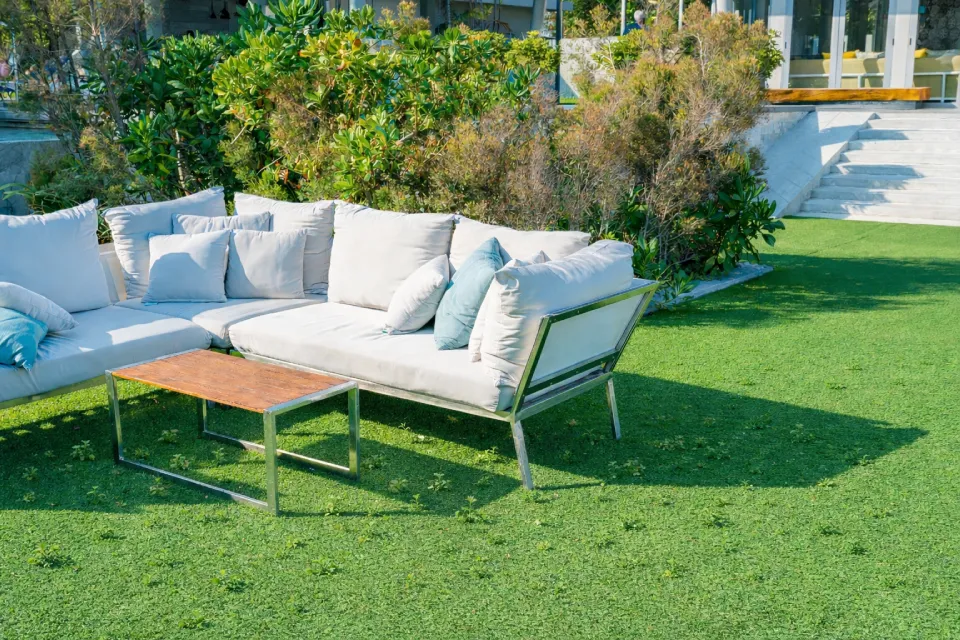
Cleaner Outdoor Spaces for Entertaining
Summer is usually when gardens are used most for outdoor dining, BBQs, family gatherings, and social events.
Natural lawns can quickly become messy during periods of heavy use, especially if rain creates muddy sections or worn areas around seating spaces.
Artificial grass helps the garden stay cleaner and more presentable throughout the season because the surface remains stable regardless of weather conditions.
That becomes particularly useful in smaller London gardens where appearance matters more visually and outdoor space is used frequently during summer months.
Read More: How To Clean Artificial Grass: The Only Guide You Need
Handles Heavy Foot Traffic Better
Natural grass often struggles when the same sections of lawn are used repeatedly.
Over time, this creates worn paths, thinning grass, uneven surfaces, and muddy patches that can take weeks to recover properly.
Artificial grass handles consistent foot traffic much more effectively.
That’s one reason it’s commonly installed in family gardens, pet areas, play spaces, and outdoor entertaining zones where the lawn experiences regular daily use.
For homeowners who want a garden that stays usable throughout summer without becoming damaged constantly, durability becomes one of the biggest long-term advantages of artificial turf.
Artificial Grass vs Natural Grass in London
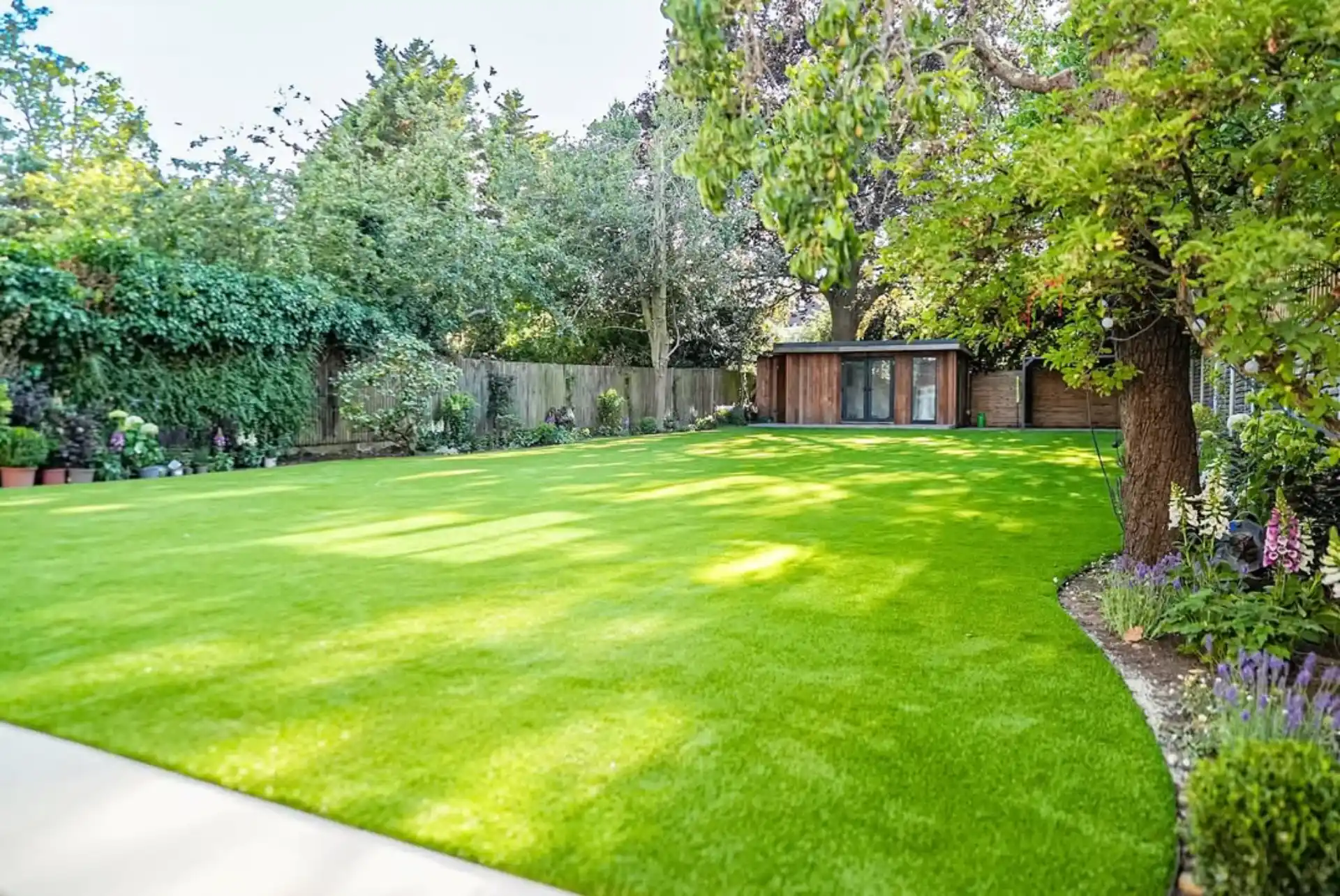
For most homeowners, the decision between artificial grass and natural turf usually comes down to maintenance, durability, and long-term convenience.
Natural lawns can look excellent when conditions are right and maintenance is done consistently. But keeping them healthy often requires significant ongoing effort throughout the year.
In London gardens specifically, this can become challenging because many outdoor spaces deal with limited sunlight, drainage issues, compact layouts, or heavy usage.
Artificial grass offers a more controlled and predictable alternative.
The lawn stays visually consistent throughout summer without requiring mowing, watering, or regular repair work.
It also handles repeated foot traffic far more effectively than natural turf, which is one reason it has become so popular in family gardens and pet-friendly homes.
That doesn’t mean artificial grass is automatically the right choice for every property.
But for homeowners prioritising lower maintenance and year-round usability, it’s easy to understand why demand has increased so significantly over the last few years.
Things to Consider Before Installing Artificial Grass
While artificial grass offers several advantages, installation quality plays a major role in how the final lawn performs long term.
One of the biggest mistakes homeowners make is focusing entirely on the appearance of the turf itself without paying enough attention to the groundwork underneath.
A poor sub-base can eventually create drainage problems, uneven surfaces, wrinkles, or movement within the lawn over time.
That’s why proper preparation is such an important part of professional installation.
The foundation underneath the artificial grass is what helps the surface remain level, stable, and free-draining for years after installation.
Homeowners should also think carefully about how the garden will actually be used day to day.
A family garden with children and pets may require a different type of artificial grass compared to a decorative courtyard or rooftop terrace.
Factors like artificial grass pile height, drainage quality, durability, and foot traffic all affect which product is most suitable for the space.
The best results usually come from choosing artificial grass based on practical usage rather than appearance alone.
Is Artificial Grass Worth It for London Homes?
For many homeowners, the answer is yes.
The long-term value usually comes from convenience, durability, and reducing the amount of time spent maintaining the garden throughout the year.
Artificial grass won’t be the perfect solution for every property. Some homeowners still prefer the feel and appearance of natural lawns despite the maintenance involved.
But for people dealing with muddy grass, worn patches, drainage issues, or constant upkeep, artificial turf often solves multiple problems at once.
And in London especially, where outdoor space is valuable and gardens are often used heavily during summer, many homeowners prefer having a lawn that remains clean, tidy, and usable without ongoing maintenance becoming another regular responsibility.
Final Thoughts
Artificial grass has become increasingly popular in London because it offers a practical solution to many of the problems natural lawns struggle with during summer.
Homeowners are no longer choosing it purely for appearance. In many cases, they simply want a garden that stays usable, presentable, and easy to maintain throughout the busiest months of the year.
A well-installed artificial lawn can handle heavy foot traffic, remain visually consistent during heatwaves, and reduce the amount of time spent maintaining outdoor spaces every week.
For families, pet owners, and busy households, that convenience is often what makes the biggest difference long term.
And while installation quality still matters heavily, many homeowners find that artificial grass provides a far more reliable outdoor surface compared to natural turf, especially in smaller London gardens where durability and usability matter most.
Because ultimately, most people want to spend summer enjoying their garden rather than constantly repairing or maintaining it.
Frequently Asked Questions
Is artificial grass suitable for London weather?
Yes, artificial grass works well in London weather because it handles both heavy rainfall and dry summer periods more consistently than natural grass. Proper drainage installation is important to prevent water build-up.
Why is artificial grass popular in London gardens?
Many London homeowners choose artificial grass because gardens are often smaller, heavily used, or affected by shade and drainage issues. Artificial turf provides a cleaner, lower-maintenance outdoor space year-round.
Does artificial grass help with muddy gardens in London?
Yes, artificial grass can significantly reduce muddy areas in London gardens, especially in spaces that struggle with drainage or receive heavy foot traffic during wetter months.
How much does artificial grass installation cost in London?
The cost of artificial grass installation in London depends on factors like garden size, groundwork preparation, turf quality, and drainage requirements. Professional installation typically costs more upfront but usually lasts longer.