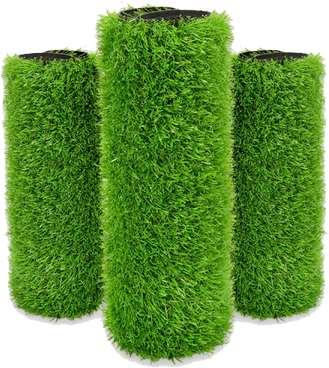

This question matters more in 2026 than it did a few years ago.
Water bills are rising. Summers are hotter. And most people don’t have the time or patience to maintain a natural lawn anymore.
What used to be a simple artificial grass vs real grass decision has now become a long-term choice about cost, effort, and usability.
The focus has shifted from “what looks good” to “what actually works for a long time.” That’s why comparisons like synthetic grass vs real grass now go beyond appearance and into maintenance, durability, and value over time.
This guide is for families, pet owners, landlords, and businesses who want a lawn that fits their lifestyle.
By the end of this blog, you’ll know which option makes sense for your space, your budget, and how you actually use your garden.
We’ll break down real grass vs artificial, honestly, so you can make a clear, confident decision.
This is the same practical approach we use at Superior Lawn when helping people choose the right solution for their property.
- So… Is Artificial Grass Truly Safe for Children?
- What Makes Artificial Grass Safe for Children?
- How to Create a Child-Safe Artificial Grass Play Zone
- FAQs: What Every Parent Wants to Know
- Can kids play barefoot on artificial grass?
- Will artificial grass give my child rug burns?
- What if my child spills food or gets sick on the grass?
- Is it safe for babies and toddlers?
- Does artificial grass smell?
- Is it safe under the playground equipment?
- Will it help with allergies?
- Does artificial grass get too hot in summer?
Table of Contents
ToggleQuick Verdict: Artificial Grass vs Real Grass (2026)
Artificial grass is better if:
- You want a low-maintenance lawn with minimal upkeep
- You have pets or children and need a durable surface
- Your garden gets heavy use or limited sunlight
- You want predictable long-term costs
- You prefer a lawn that looks consistent all year
Real grass is better if:
- You enjoy gardening and regular lawn care
- You want a fully natural surface and ecosystem
- You have the time and budget for ongoing maintenance
- Your lawn is mainly for light use and aesthetics
- You don’t mind seasonal changes in appearance
Real grass is better if:
In 2026, artificial grass makes more sense for most busy households and high-use spaces, while real grass still suits those who value hands-on gardening and natural variation.
Must Read: Thinking About Switching to Artificial Grass? What Experts Advise
Artificial Grass vs Real Grass: Side-by-Side Comparison
| Feature | Artificial Grass | Real Grass |
|---|---|---|
| Appearance & feel | Consistent look all year. Modern turf looks realistic, but still feels firmer underfoot. | Soft and natural feel, but appearance changes with seasons, weather, and care level. |
| Maintenance time | Very low. Occasional brushing and cleaning. No mowing or watering. | High. Regular mowing, watering, feeding, weeding, and repairs are needed. |
| Year-round performance | Looks the same in summer, winter, rain, or shade. No mud or bare patches. | Can struggle in heat, heavy rain, shade, or cold. Patchy areas are common. |
| Water usage | No regular watering needed. Only occasional rinsing. | Requires frequent watering, especially during warmer months. |
| Environmental trade-offs | Saves water and reduces chemical use. Manufacturing impact exists but is offset over time. | Supports biodiversity, but uses more water, fertilisers, and fuel-powered tools. |
| Pet & child suitability | Durable, mud-free, and easy to clean. Designed for heavy use. | Comfortable and natural, but can wear quickly with pets and active play. |
| Lifespan | Typically lasts 10–15 years with proper installation. | It can last indefinitely, but only with constant care and reseeding. |
| Total cost over time | Higher upfront cost, lower ongoing expenses. Predictable long-term spend. | Lower upfront cost, but ongoing maintenance adds up year after year. |
Quick takeaway:
When comparing artificial grass vs real grass in 2026, artificial grass offers consistency, lower maintenance, and cost control over time.
Real grass offers a natural feel but demands ongoing effort and expense to keep it looking good.
This is usually the point where people start asking not just which looks better, but what is cheaper, real grass or artificial, in the long run, which brings us to cost.
Cost Comparison: What’s Actually Cheaper in 2026?
When people compare artificial grass vs real grass, cost is usually the deciding factor. But the real answer depends on whether you’re looking at today’s price or the next 10 to 15 years.
1. Upfront Costs
Artificial grass installation (materials + labour)
Artificial grass has a higher initial cost. This includes the turf itself, ground preparation, a solid base, and professional installation. The upfront spend is noticeable, but it’s largely a one-time investment.
Natural grass seeding or turfing
Real grass is cheaper to install at the start. Whether you seed or lay turf, the initial outlay is lower and often feels like the safer option in the short term.
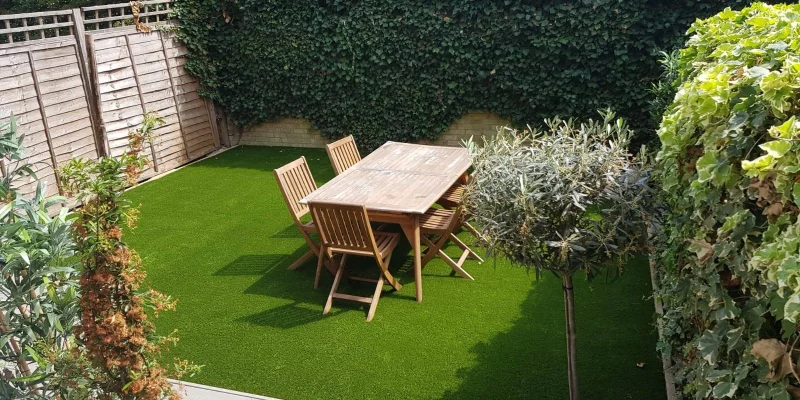
2. Ongoing Costs (10–15 Year View)
This is where the cost of artificial grass vs real grass starts to shift.
Real grass ongoing costs include:
- Regular watering, especially during warmer summers
- Mowing, edging, and fuel or equipment costs
- Fertilisers, weed control, and treatments
- Reseeding or re-turfing worn or damaged area
Over time, these costs add up quietly but consistently.
Artificial grass ongoing costs include:
- Occasional rinsing and cleaning
- Light brushing and infill maintenance
- No mowing, watering, or chemical treatments
There are fewer surprises and far less yearly spending.
3. Replacement Cycles
Real grass often needs partial or full replacement in high-use areas, especially with pets or children. Artificial grass typically lasts 10–15 years when installed correctly, with no need for patch repairs or reseeding.
So, which one is cheaper?
In the short term, real grass is cheaper.
Over 10–15 years, artificial grass is usually the more cost-effective option.
That’s why many homeowners and landlords now see artificial grass as a long-term saving, not just a visual upgrade. It’s also the reason we often help our clients compare lifetime costs before making a decision.
Want to know how much you’ve to pay exactly to get an artificial lawn installed?
Maintenance Reality Check: Time, Effort & Stress
Maintenance is where the difference between artificial vs real grass becomes very clear. It’s not just about money. It’s about how much time and energy you want to give your lawn.
Real Grass Maintenance
Real grass needs ongoing attention to stay usable and presentable.
Weekly effort includes:
- Mowing and edging
- Clearing leaves and debris
- Checking for dry or damaged patches
Seasonal and annual effort adds:
- Regular watering during dry periods
- Fertilising and weed control
- Aeration, reseeding, and pest treatment
- Repairing muddy or worn areas
Hidden time costs most guides ignore:
You’re planning around weather, finding time on busy weekends, storing equipment, and fixing problems as they appear. Over a year, that time adds up more than most people expect.
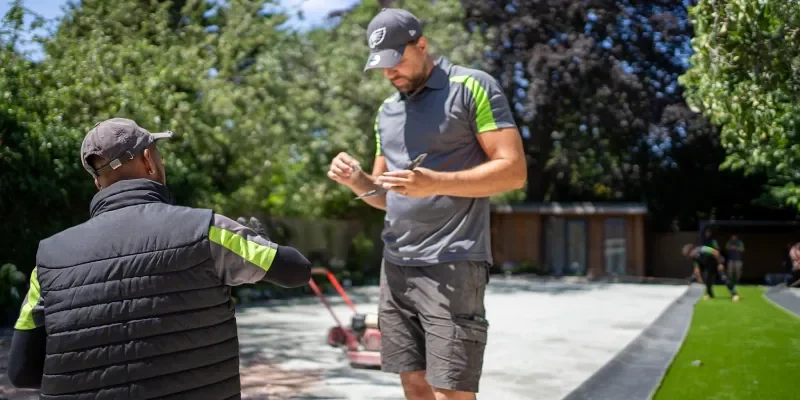
Artificial Grass Maintenance
Artificial grass is often described as “low maintenance,” but that doesn’t mean zero effort.
What low maintenance actually means:
- No mowing, watering, or feeding
- No seasonal recovery or patch repairs
- No waiting for the grass to grow back
Seasonal and annual effort adds:
- Occasional rinsing to remove dust or pet residue
- Light brushing to keep fibres upright
- Infill checks in high-use areas
For most people, this takes minutes rather than hours, and it’s predictable throughout the year.
In short, if you enjoy lawn care, real grass can be rewarding. If you want your garden to work around your schedule, artificial grass removes a lot of ongoing stress.
This difference in effort is one of the main reasons people now choose artificial grass through Superior Lawn when long-term convenience matters more than tradition.
Recommended Read: Best Artificial Grass Installer in London: What to Look For Before Hiring
Durability & Lifespan: Which Lasts Longer?
When comparing artificial grass vs real grass, durability often matters more than looks, especially in busy homes.
Does artificial grass last?
Yes, when installed properly, artificial grass is built to last. Most modern turf products are designed to handle daily use and typically last 10–15 years. They don’t thin out, turn muddy, or need recovery time after heavy use.
Weather, shade, and foot traffic have very little impact on its structure. The main factor in lifespan is correct installation and base preparation.
How long does real grass actually survive under use?
Real grass can last indefinitely in theory, but in practice, it struggles under pressure. Heavy footfall, children playing, pets running, and unpredictable weather all shorten its usable life.
High-use areas often become compacted, patchy, or muddy. Without constant reseeding and repair, real grass lawns tend to lose their shape and appearance over time.
So, in real-world use, artificial grass lasts longer.
It holds up better under constant foot traffic, pets, and changing weather, while real grass needs regular repair to maintain its lifespan.
Dive Deeper: How Long Does Artificial Grass Actually Last? What Affects Its Lifespan
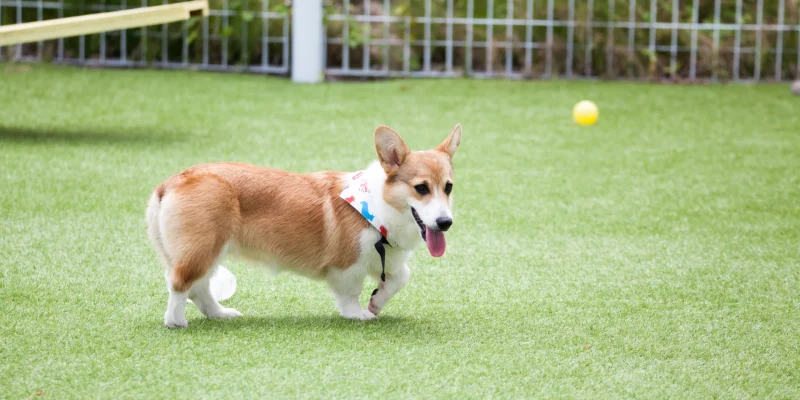
Artificial Grass vs Real Grass for Dogs
For dog owners, this comparison deserves its own section. Daily use changes everything.
Odour control
Artificial grass designed for pets drains efficiently and is easy to rinse. This prevents urine smells from lingering. Real grass absorbs moisture and odours, especially in warmer weather.
Drainage & rain flow
Good-quality artificial turf allows rain and water to pass straight through. Puddles are rare when the base is installed correctly. Real grass can struggle with drainage, leading to muddy patches and waterlogging.
Digging, wear patches & hygiene
- Dogs often dig or wear down real grass quickly
- Mud and bald spots are common in high-use areas
- Artificial grass resists digging and stays even
Hygiene is also easier to manage. There’s no soil being carried indoors, and cleaning is simple.
Safety & comfort
Modern artificial grass is designed to be safe for pets, with soft fibres and non-toxic materials. It stays even underfoot, reducing slips or uneven ground issues that can happen with worn natural lawns.
This is one of the main reasons many dog owners turn to dog-friendly astro turf in London from Superior Lawn for long-term use.
Temperature & Comfort: Does Artificial Grass Get Too Hot?
This is one of the most common concerns when comparing artificial grass vs real grass temperature, especially during summer.
Artificial grass can feel warmer than real grass in direct sunlight. Natural grass stays cooler because it holds moisture and releases heat more slowly.
That difference is noticeable on very hot days.
That said, modern turf has improved a lot.
Shade, cooling techniques & modern turf improvements
Newer artificial grass products use lighter fibres, heat-reflective materials, and improved airflow. Shade from trees, fencing, or pergolas also makes a big difference.
A quick rinse with water can cool the surface down fast when needed.
For everyday use, especially in the UK, heat is rarely a deal-breaker.
UK vs warmer climates
In the UK, extreme heat is less frequent, which makes artificial grass far more comfortable than in consistently hot regions.
In warmer climates, shade planning matters more, but in British gardens, temperature differences are usually manageable.
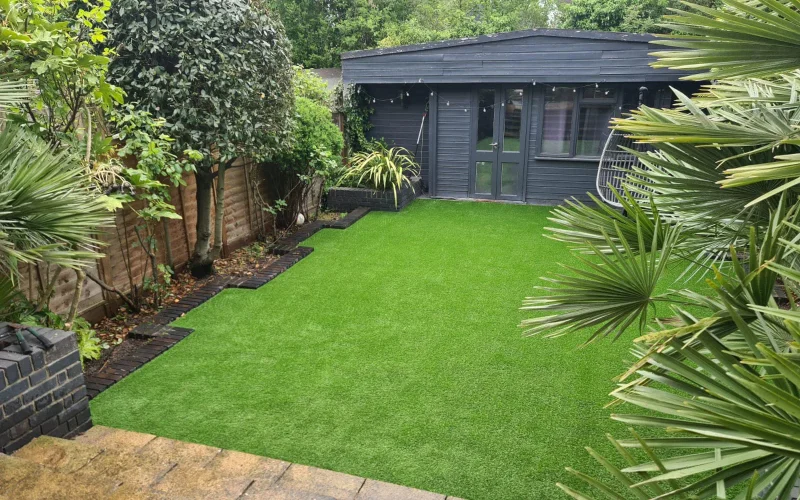
Environmental Impact: Artificial Grass Vs Real Grass
When discussing real grass vs artificial, the environmental impact needs context. Neither option is perfect.
Natural Grass Environmental Impact
Real grass supports insects, soil life, and biodiversity. It also produces oxygen and absorbs carbon naturally.
However, it often requires:
- Frequent watering
- Fertilisers and weed treatments
- Fuel-powered mowers and tools
All of this increases water use and emissions over time.
Artificial Grass Environmental Impact
Artificial grass has an environmental cost during manufacturing and eventual disposal. Concerns around plastics and microplastics are valid.
However, over its lifespan, artificial grass:
- Uses little to no water
- Eliminates chemical treatments
- Reduces emissions from mowing and equipment
Over 10–15 years, these savings offset part of the initial impact.
In short, the environmental difference between artificial turf and real grass depends less on the material itself and more on how each lawn is used, maintained, and installed.
Appearance & Feel: Which Looks Better in 2026?
Looks still matter, but they matter differently now.
Modern artificial grass has come a long way. Better fibre shapes, mixed tones, and natural pile direction mean it no longer has the flat, plastic look many people remember.
At a glance, high-quality turf is hard to tell apart from real grass.
Up close, the difference is mainly in feel. Artificial grass is slightly firmer and more uniform, while natural grass feels softer and varies underfoot.
And when talking in terms of season performance, artificial grass looks the same all year. It doesn’t fade in summer or turn muddy in winter.
What you see in April is what you get in December.
Real grass changes with the seasons. It looks great in spring and early summer but often struggles during heatwaves, heavy rain, or long periods of shade.
But, real grass still wins if you want a living, evolving lawn. For people who enjoy the look of fresh growth, morning dew, and natural variation, nothing fully replaces it.
Common Myths That Still Confuse Buyers
Even with better products and clearer information, a few myths still shape how people think about real grass vs artificial.
“Artificial grass looks fake”
This used to be true. It isn’t anymore. Modern artificial grass uses mixed tones, varied fibre lengths, and realistic textures. Low-quality turf still exists, but good installations now look natural enough to blend into most gardens.
“It ruins drainage”
Drainage problems come from poor groundwork, not the grass itself. When installed properly, artificial grass allows water to drain through efficiently. In many cases, it actually performs better than compacted real grass during heavy rain.
“It’s bad for pets”
Pet-safe artificial grass is designed to handle daily use. It drains well, doesn’t trap odours, and is easy to clean. For many dog owners, it’s more hygienic than worn natural grass.
Related Read: How to Find the Best Artificial Grass for Dogs?
“Real grass is always cheaper”
Real grass costs less upfront, but long-term maintenance often changes the picture. When people compare the fake grass vs real grass cost over 10–15 years, artificial grass often comes out ahead
2026 Trends That Are Changing the Decision
These updates are why the artificial grass vs real grass debate looks very different in 2026 compared to previous years.
1. Pet-friendly turf evolution
Newer turf systems are built specifically for pets. Faster drainage, better odour control, and stronger backing materials make them far more durable than older options.
2. Heat-reducing fibres
Manufacturers now use lighter colours and heat-reflective fibres that reduce surface temperature. While artificial grass can still warm up, it’s far more comfortable than earlier versions.
3. Smarter drainage systems
Improved base materials and multi-layer drainage designs allow water to pass through quickly, even during heavy rainfall. This reduces pooling and extends lifespan.
4. Sustainability improvements
Longer-lasting turf, reduced chemical use, and lower water demand are making artificial grass a more balanced environmental choice over its lifetime.
These changes are why many homeowners and landlords now reassess artificial turf vs natural grass rather than relying on outdated opinions.
Final Verdict: Which Should You Choose in 2026?
There’s no universal winner when it comes to artificial grass vs real grass.
The right choice depends on four things:
cost, time, how the space is used, and your lifestyle.
If you enjoy lawn care and want a living, natural surface, real grass still has a place.
But if you want a lawn that stays usable all year, handles wear easily, and doesn’t demand constant attention, artificial grass is often the more practical option in 2026.
The key is making a decision based on how you actually use your garden, not how it’s supposed to look on a perfect day.
Thinking About Switching to Artificial Grass in 2026?
If you’re in London and want a long-lasting, low-maintenance artificial lawn, Superior Lawn can help.
We supply and install premium artificial grass that stays green, handles daily use, and looks good year-round.
Our approach is simple: honest advice, free site visits, and professional installation based on over 20 years of experience.
All our artificial grass comes with long warranties, so you know exactly what you’re getting.
If you’d like a clear idea of what will work best for your space, you can get a quote or book a free survey today and take it from there.
FAQs: Artificial Grass vs Real Grass
Is artificial grass cheaper than real grass?
Artificial grass costs more upfront, but over 10–15 years it’s often cheaper due to minimal maintenance, no watering, and no repairs. This is why long-term comparisons of artificial grass vs real grass cost usually favour artificial grass.
Is turf real grass?
Yes, traditional turf is real grass grown naturally and laid onto soil. Artificial turf is not real grass, even though the terms are often confused.
Is artificial grass worth it in 2026?
For many households, yes. Rising water costs, hotter summers, and busier lifestyles make artificial grass a practical long-term option, especially for families, pet owners, and rentals.
Artificial turf vs natural grass — which is better?
Neither is universally better. Artificial turf suits low-maintenance, high-use spaces. Natural grass suits people who enjoy gardening and want a living lawn. The best choice depends on use and lifestyle.
Does artificial grass last?
Yes. Good-quality artificial grass typically lasts 10–15 years when installed correctly, even with pets, children, and frequent use.
Can rain get through artificial grass?
Yes. Artificial grass is permeable and allows water to drain through. Drainage problems usually come from poor base installation, not the turf itself.
Is artificial grass safe for children and pets?
Yes. Modern artificial grass is made with non-toxic materials and provides a flat, mud-free surface, making it safe for play and pets.
Does artificial grass smell with dogs?
No, not when installed properly. Pet-friendly artificial grass drains quickly and can be rinsed clean, preventing odour build-up better than worn natural grass.