
Be honest, how many hours have you spent mowing, watering, and trying to fix that one patch of grass that just refuses to grow?
And after all that effort, the next bit of rain turns it muddy again. Sound familiar?
That’s why so many homeowners are saying enough is enough and switching to a smarter, cleaner solution.
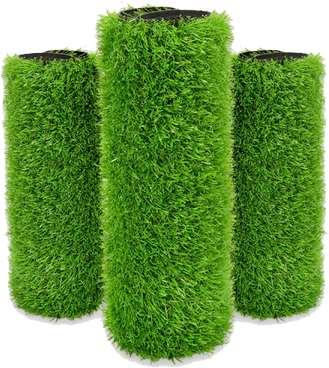
Artificial grass gives you a perfectly green lawn all year long, no mowing, no watering, and no mess. It’s the easiest way to enjoy your garden without the constant upkeep.
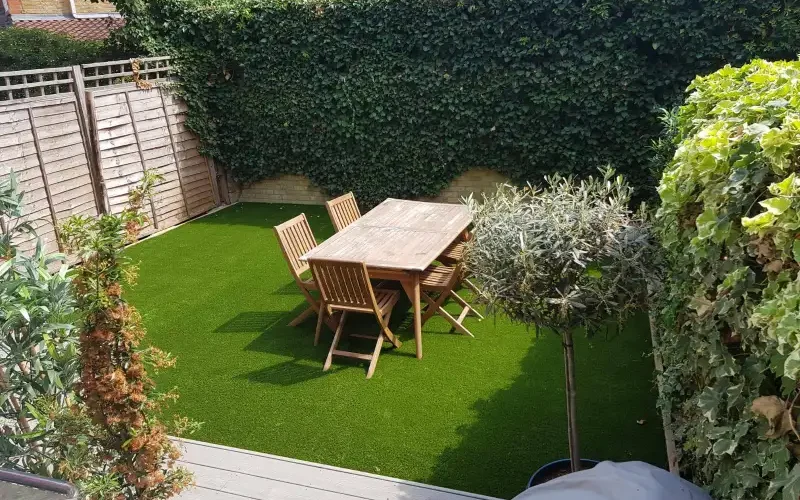
Whether you’ve got a small London courtyard or a family garden that’s seen its fair share of muddy footprints, fake turf transforms it into a beautiful, low-maintenance space that’s ready to enjoy every day.
In this guide, we’ve pulled together honest, expert answers to the Top Artificial Grass FAQs we hear from homeowners just like you.
From cost and safety to maintenance and lifespan, this is everything you need to know before making the switch, explained clearly, simply, and with real experience behind it.
- So… Is Artificial Grass Truly Safe for Children?
- What Makes Artificial Grass Safe for Children?
- How to Create a Child-Safe Artificial Grass Play Zone
- FAQs: What Every Parent Wants to Know
- Can kids play barefoot on artificial grass?
- Will artificial grass give my child rug burns?
- What if my child spills food or gets sick on the grass?
- Is it safe for babies and toddlers?
- Does artificial grass smell?
- Is it safe under the playground equipment?
- Will it help with allergies?
- Does artificial grass get too hot in summer?
Table of Contents
ToggleWhy So Many People Are Choosing Artificial Grass?
If you’ve noticed more pristine, green lawns around lately, even in the middle of winter, there’s a good reason for it.
Artificial grass has quickly become the go-to solution for homeowners who want a garden that always looks great, without spending every weekend maintaining it.
This isn’t just a UK trend, it’s happening worldwide.
The global artificial turf market was valued at USD 6.87 billion in 2024 and is projected to reach nearly USD 10 billion by 2030, growing at about 6.5% annually.
Here in the UK, the story is similar.
- A 2024 research shows that 1 in 5 UK homeowners have already replaced or plan to replace their natural lawn with artificial grass.
- According to IBISWorld, the UK’s artificial grass installation industry continues to expand, with a projected market size of around £144 million by 2025.
- Within Europe, the UK is one of the leading markets, driven by growing demand for low-maintenance landscaping, pet-friendly home solutions, and year-round green outdoor spaces.
These stats reflect a clear trend: more people are choosing artificial grass for good reasons:
Year-Round Greenery
Unlike natural turf, synthetic lawn doesn’t brown during dry spells or get patchy after heavy rain. You get consistently lush, green results.
No Mowing or Watering
One of the biggest appeals is removing the regular chores. No more dragging out the mower or fretting about hosepipe bans.
Cleaner, Safer Play Areas for Kids and Pets
No muddy footprints, less mess, and no need for harmful chemicals. A safer, more hygienic surface for your loved ones to enjoy.
Perfect for Small Urban Gardens and Terraces
Especially in London, where outdoor space can be limited, artificial grass can transform patios, roof terraces, and compact backyards into green, usable areas without the fuss.
Clearly, artificial grass is becoming a staple in British homes and gardens.
But before you make the switch, it’s worth understanding how it performs in real life, from cost and safety to care and durability.
Top Artificial Grass FAQs
If you’re thinking about switching to artificial grass, you probably have a few questions, and that’s completely normal.
Whether you’re curious about safety, cost, or how it performs through the seasons, it’s important to have honest, practical answers before making the switch.
Drawing on over 20 years of hands-on experience, our team at Superior Lawn has gathered and answered the most frequently asked questions about artificial grass, straight from homeowners just like you.
From installation and maintenance to longevity and pet-friendliness, here’s everything you need to know before transforming your outdoor space.
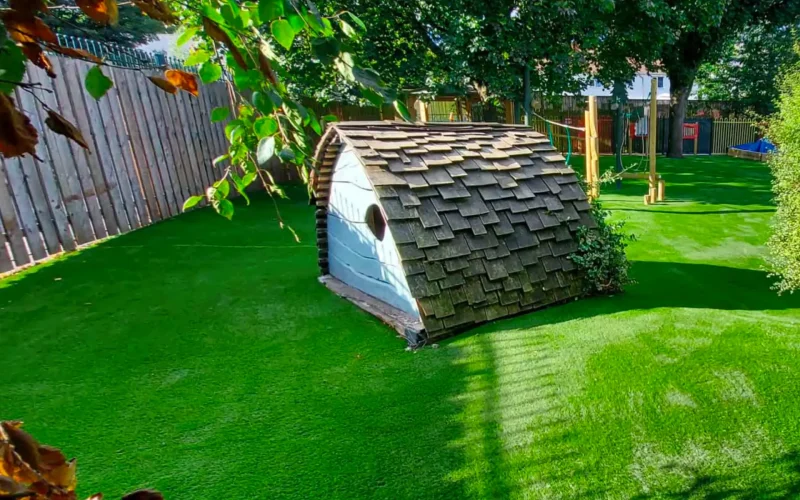
1. Is Artificial Grass Safe for Children and Pets?
Yes — high-quality artificial grass is completely safe for both children and pets.
Modern turf is made from non-toxic, lead-free, and latex-safe materials, meaning there are no harmful chemicals to worry about.
Most products used in the UK meet European safety standards (EN 71-3) — the same level used for children’s toys, so it’s perfectly fine for little ones to crawl or play on.
For families with pets, artificial grass is just as safe and practical. Dogs and cats can run, play, and relax on it without damaging the surface.
It won’t cause allergies or skin irritation, and proper drainage ensures urine and rainwater pass through easily, preventing unpleasant smells or bacteria build-up.
To keep things hygienic, simply rinse occasionally with water or use a pet-safe cleaner. That’s all the maintenance most homes need.
In short: artificial grass provides a soft, safe, and clean space for the whole family to enjoy — without the mud, mess, or maintenance.
For Deeper Dive: Is Artificial Grass Safe for Kids? A Parent’s Guide
2. How Much Does Artificial Grass Installation Cost?
The cost of artificial grass installation depends on a few key factors, but most homeowners in London can expect to pay around £60–£90 per square metre for a complete, professional installation.
Here’s what affects the total price:
- Lawn size: Smaller gardens often cost more per square metre because of labour setup and cutting waste.
- Ground preparation: If your existing soil needs levelling, removing turf, or improving drainage, that adds to the cost.
- Product quality: Premium grass types with realistic texture, UV protection, and extra durability are more expensive upfront — but last longer.
- Access and labour: Tight spaces, roof terraces, or gardens with limited access can increase labour time and cost slightly.
While the initial investment can seem higher than laying real grass, artificial lawns quickly pay off. You’ll save on mowing, watering, fertilisers, and repairs, and your garden will look perfect every day of the year.
Think of it as a one-time upgrade that delivers years of low-maintenance enjoyment.
For a detailed breakdown, read: How Much Does Artificial Grass Cost in London? 2025
3. How Long Does Artificial Grass Last?
A good-quality artificial lawn will typically last 10 to 20 years, depending on how it’s used and maintained. The main factors that affect lifespan include:
- Quality of materials: Higher-grade turf uses UV-stabilised fibres that resist fading and brittleness.
- Installation method: A well-prepared sub-base and professional fitting prevent wrinkles, dips, or edge lifting.
- Foot traffic: Areas with heavy use (like play zones or dog runs) may wear faster than purely decorative spaces.
- Care and maintenance: Occasional brushing and cleaning help the blades stay upright and fresh-looking.
Most reputable suppliers like Superior Lawn, one of the leading astro turf suppliers and installers in London, back their turf with an 8-10 year manufacturer’s warranty, which covers UV stability and structural durability.
Not just that, our premium synthetic grass comes with a life expectancy of 20 years.
4. Does Artificial Grass Drain Properly, or Does It Cause Puddles?
Yes, when installed correctly, artificial grass drains exceptionally well.
In fact, a professionally fitted artificial lawn often drains better than natural grass.
The key is in the groundwork. Before laying the turf, installers prepare a permeable sub-base made of compacted crushed stone or granite dust.
This allows water to pass through quickly, preventing puddles and soggy patches. On top of that, most modern artificial grass products have built-in perforations (drainage holes) that let rainwater flow straight through into the soil beneath.
At Superior Lawn, we ensure every installation includes a fully integrated drainage layer, designed to handle heavy rainfall with ease.
So, if you’ve ever worried about puddles forming after rain, rest assured — a high-quality artificial grass installation stays dry, safe, and usable all year round.
5. What Kind of Maintenance Does Artificial Grass Need?
Artificial grass is designed to be low-maintenance, not no-maintenance, but compared to real lawns, the difference is night and day.
Here’s what typical upkeep looks like:
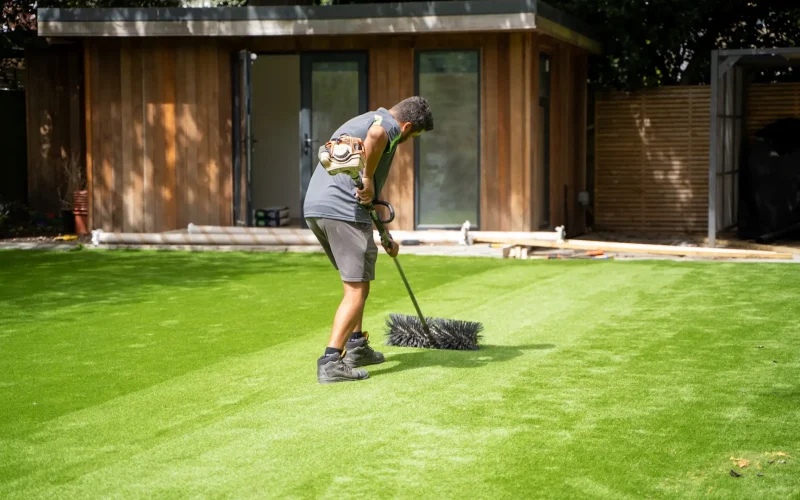
- Brush the fibres upright: Use a stiff broom or power brush every few weeks to keep the blades standing tall and looking fresh
- Rinse occasionally: Hose down the surface to remove dust, pollen, or pet use residues — especially during dry months.
- Clear debris: Sweep away leaves, twigs, or dirt to maintain airflow and appearance.
- Pet care: For homes with pets, rinse urine spots with water or a mild, pet-friendly disinfectant when needed.
That’s what makes artificial grass so appealing for busy homeowners, especially in London, where garden maintenance can be time-consuming.
With light, regular care, your turf will stay clean, vibrant, and inviting for many years.
Recommended Read: How To Clean Artificial Grass: The Only Guide You Need
6. Does Artificial Grass Get Hot in Summer?
Artificial grass can get warmer than real grass on hot days, but it’s rarely uncomfortable — especially in the UK. Like decking or paving, it absorbs some heat from the sun but cools quickly once shaded.
Modern astro turf is made with heat-resistant fibres that reflect sunlight better than older types. Choosing lighter green shades or grass with cooling infill can also help.
If your garden gets a lot of sun, simple steps work well. Add a parasol, plant pots, or light shading. A quick spray with water brings the temperature down instantly.
So yes, it can get warm, but with good quality turf and a few easy tricks, your lawn stays safe and comfortable even in summer.
7. Can Artificial Grass Be Installed on Concrete, Decking, or Sloped Areas?
Yes, absolutely. Artificial grass can be laid on concrete, decking, or even sloped gardens with no problem.
On concrete, installers add a shock-absorbent foam layer first. This gives a soft feel and helps water drain through. The turf is then fixed in place with glue or edging trims.
Decking works the same way. The boards are cleaned and levelled, then covered with a drainage layer before laying the grass. This keeps airflow and prevents dampness.
Even gentle slopes can be covered. The turf is secured using pins and a stable sub-base so it stays firm and drains properly.
This makes artificial grass perfect for terraces, balconies, and rooftop gardens, places where real grass just isn’t practical. You can enjoy a fresh green space anywhere.
8. Is Artificial Grass Eco-Friendly and Recyclable?
Yes, in many ways, it is. Artificial grass saves thousands of litres of water each year. It doesn’t need mowing, chemicals, or fertiliser, which cuts pollution and carbon emissions.
However, there are limits. Most artificial grass is made from polyethylene or polypropylene, which are plastics. They aren’t biodegradable, though recycling options are improving fast.
9. How Does Artificial Grass Compare to Real Grass in Looks and Feel?
Modern artificial grass looks impressively realistic. The days of bright plastic-looking turf are long gone.
High-quality products now use multiple shades of green and brown fibres, giving a natural, varied appearance that’s almost identical to real grass.
The texture has improved too. Soft polyethylene fibres create a gentle, cushioned feel underfoot, great for walking barefoot, playing, or relaxing outdoors.
Most people can’t tell the difference just by looking at it, especially once it’s brushed and settled in.
If you’re unsure, the best way to decide is to see it in person.
Request a free survey visit from Superior Lawn in London to compare the look and feel for yourself. Once you see it, you’ll understand why so many homeowners have made the switch.
10. Can I Install Artificial Grass Myself, or Should I Hire a Professional?
You can install artificial grass yourself, but it takes time, the right tools, and attention to detail.
DIY can save some money upfront, yet mistakes during installation often lead to drainage issues, uneven surfaces, or visible seams later on.
A professional installation ensures everything is done correctly from the base up. Installers prepare proper drainage, secure edges, and make sure joins are invisible.
They also help you choose the best fake turf type for your space, so it lasts longer and looks flawless.
In short:
- DIY: Cheaper, but riskier if you’re inexperienced.
- Professional: Higher upfront cost, but perfect finish and long-term reliability.
For most homeowners, hiring an expert like Superior Lawn means you get a smooth, durable result without the trial and error
11. Will Weeds or Moss Grow Through Artificial Grass?
Not if it’s installed correctly.
A weed control membrane is laid beneath the grass during installation, stopping weeds from growing up through the surface. The compacted stone base also creates a solid layer that blocks roots and unwanted growth.
Moss can form in shaded or damp corners, but it’s easy to prevent.
Simply brush the grass regularly to keep it dry and clean, and remove fallen leaves that hold moisture. If needed, use a light moss treatment once or twice a year.
With the right base and basic care, your artificial lawn stays neat, clean, and weed-free for years.
12. How Do You Clean Artificial Grass After Pets Use It?
Cleaning artificial grass after pets is quick and simple. Solid waste can be picked up and disposed of as usual.
Then, just rinse the area with water to wash away any residue.
If needed, use a pet-friendly disinfectant or a mild mix of water and vinegar to keep it fresh. Modern turf has built-in drainage holes, so urine and rainwater flow straight through, preventing smells or stains.
For most homes, a light rinse every few days and an occasional deeper clean are all it takes. With proper drainage and quality installation, your lawn stays hygienic, odour-free, and comfortable for both pets and people.
13. Does Artificial Grass Fade Over Time?
Good-quality artificial grass is made to stay green for years. Most products in the UK use UV-stabilised fibres, which protect against sunlight and prevent fading or colour loss.
Typically, the colour remains vibrant for 10 to 15 years, even with regular exposure to the sun.
To make sure your turf lasts that long, choose a product with strong UV protection and a manufacturer’s warranty that covers colour stability.
So yes, cheap grass can fade, but high-quality premium turf like the ones supplied by Superior Lawn will keep its natural, lush look for many seasons without fading.
14. How Is Artificial Grass Made?
Artificial grass is made using advanced materials designed to look and feel like real grass. The blades are created from polyethylene or polypropylene fibres — both durable and soft to the touch.
These fibres are stitched into a latex or polyurethane backing, which gives strength and flexibility. Small drainage holes are added to let rainwater and liquids pass through easily.
Finally, an infill material, such as silica sand or an eco-friendly alternative, is brushed into the turf. This keeps the blades standing upright, adds weight, and improves durability.
The result is a realistic, long-lasting surface that stays green, clean, and comfortable year-round.
15. What Are the Main Benefits of Switching to Artificial Grass?
Artificial grass offers a mix of practical and lifestyle benefits that make it a smart investment for homeowners.
The biggest one is peace of mind, your lawn stays green, clean, and perfectly trimmed every single day, no matter the weather.
Some of the key benefits include:
- Evergreen appearance
- Saves time and money
- Perfect for pets and children
- Great for small or shaded spaces
- Adds value to your property
For busy families or city homeowners, artificial grass turns outdoor spaces into easy, everyday escapes, without the usual upkeep.
16. Can Heavy Furniture or Garden Structures Damage Artificial Grass?
Artificial grass is tough, but it’s not indestructible.
Heavy furniture, garden sheds, or large planters can flatten the fibres if left in one spot for too long. The good news is, this is easy to manage.
Move items occasionally to let the grass recover its shape. You can also place rubber pads or decking tiles under heavier structures to spread the weight more evenly.
A quick brush after moving furniture helps the fibres stand upright again.
So while it’s fine to put outdoor seating or play equipment on your turf, rotating their position from time to time keeps your lawn looking fresh and even.
17. How Much Money and Water Can You Save with Artificial Grass?
Artificial grass can save you a surprising amount of money — and water — over time. Once installed, there’s no need for a mower, fertiliser, or irrigation system.
That means no ongoing costs for fuel, lawn feed, or water usage.
Studies show that artificial lawns can cut water consumption by up to 70% compared to maintaining natural grass.
You’ll also save on the average £150–£300 per year many homeowners spend on lawn care supplies and tools.
And unlike real grass, your turf won’t wear out, turn brown, or need reseeding every few years.
It’s a one-time investment that keeps paying off in both cost savings and convenience — not to mention the environmental benefit of reduced water waste.
18. Is Artificial Grass Slippery When Wet or Frosty?
No, high-quality artificial grass isn’t slippery when wet. It’s designed with a perforated backing and a free-draining sub-base, allowing water to pass through quickly. That means even after heavy rain, the surface stays firm underfoot instead of turning muddy or slick.
The combination of infill and textured fibres also helps maintain grip, making it safe for children and pets to run or play outdoors all year round.
During frosty weather, though, the surface can feel slightly slippery — just like paving or decking would.
It’s best to take extra care on icy mornings, but frost won’t damage the turf itself. Once temperatures rise, it returns to normal with no lasting effects.
19. How Long Does Artificial Grass Installation Take?
Most artificial grass installations are completed surprisingly quickly. For small gardens, the full process, from removing old turf to fitting the new lawn — usually takes one to two days.
Larger or more complex areas might take three to four days, especially if extra groundwork or drainage preparation is needed. Roof terraces and hard-surface installations can take a little longer, depending on access.
The best part? Once installed, your lawn is ready to use immediately. There’s no waiting for grass to grow or settle — you can walk, play, or relax on it the same day.
20. What Kind of Warranty Should You Expect?
Good artificial grass comes with a solid warranty that reflects its durability. Most reputable products include a manufacturer’s warranty of 8–15 years, covering UV stability, colour fading, and structural integrity.
In addition, professional installers — like us, Superior Lawn — provide an installation guarantee, protecting against issues such as poor fitting or drainage problems.
Before buying, always check both warranties.
A trusted supplier will be transparent about coverage, giving you full peace of mind that your investment is protected for years to come.
21. What Is Infill, and Do You Really Need It?
Infill is the material brushed into artificial grass after installation. It sits between the blades and plays an important role in how your lawn looks and performs over time.
It helps by:
- Adding weight and stability – keeping the turf securely in place.
- Supporting the blades – helping them stand upright and feel natural underfoot.
- Improving drainage and cushioning – making the surface safer and more comfortable.
The most common types of infill are silica sand, rubber granules, and eco-friendly organic blends made from cork or coconut fibres.
For most residential lawns, silica sand works perfectly; it’s clean, safe, and long-lasting.
While not every type of turf absolutely requires infill, it’s highly recommended. Without it, the grass can look flat and wear out more quickly.
22. Will Artificial Grass Flatten Over Time?
Yes, a little, but it’s easy to fix.
Over time, the fibres naturally compress in areas with frequent foot traffic or furniture. This doesn’t mean your lawn is damaged; it just needs a bit of care to stay looking its best.
Regular brushing against the grain (once or twice a month) helps lift the fibres back up. If your turf has infill, that also supports the blades and keeps them springy.
Avoid leaving heavy items like garden furniture in one spot for too long, and your grass will stay soft, upright, and natural-looking for many years.
23. Can Artificial Grass Affect Nearby Plants or Trees?
Not at all, if it’s installed properly. Artificial grass can be neatly fitted around trees, borders, or flowerbeds without harming living plants.
Installers cut and edge the turf carefully to allow airflow and water drainage to continue reaching the nearby soil.
For trees, a small gap around the trunk is usually left to protect roots and allow natural movement. This setup keeps your greenery healthy while still giving you a clean, finished look.
In fact, many homeowners find that combining real plants with artificial grass gives them the best of both worlds, a vibrant, low-maintenance garden that still feels alive.
Latest Read: How to Find the Best Artificial Grass for Dogs?
24. What Are the Most Common Mistakes People Make During Installation?
Artificial grass looks best and lasts longest when it’s installed correctly. Most problems come from cutting corners during groundwork or using poor materials.
Some of the most common mistakes include:
- Skipping proper drainage: Without a solid, permeable base, water can pool on the surface.
- Poor seam joins: Badly aligned or unglued seams can become visible over time.
- Forgetting the weed membrane: This allows weeds or moss to grow underneath the turf.
- Using cheap adhesive or edging: Weak bonds or loose edges can lift and ruin the finish.
That’s why hiring experienced installers pays off.
They prepare the right sub-base, ensure smooth joins, and secure every detail so your lawn looks seamless and performs perfectly for years.
25. How Does Artificial Grass Perform in Winter or Extreme Weather?
Artificial grass is built to handle all seasons, even the unpredictable British weather.
It’s frost-resistant, so it won’t crack or harden in cold temperatures, and drains efficiently during heavy rain.
Snow can be left to melt naturally, or you can gently brush it off once it starts to soften. Avoid using metal shovels or salt, as these can damage the turf fibres.
Unlike natural lawns that turn muddy in winter, artificial grass stays clean and usable year-round.
Whether it’s rain, frost, or occasional snow, your garden remains green, tidy, and ready to enjoy.
26. Is Artificial Grass Flammable or Heat-Resistant Near BBQs?
Artificial grass is not flammable, but it’s also not completely heat-proof.
The materials used — usually polyethylene or polypropylene- won’t ignite easily, but they can melt or deform under high heat.
That means it’s best to keep BBQs, fire pits, or anything that produces strong heat off the surface. If you want to cook or host on your lawn, place your grill or chiminea on paving slabs or a heat-resistant mat.
Handled sensibly, your turf is completely safe — it just needs a bit of distance from direct heat to stay looking perfect.
27. Can You Install Artificial Grass on a Rooftop or Balcony?
Yes, you absolutely can. In fact, synthetic turf is one of the easiest ways to turn a dull rooftop or balcony into a relaxing, green retreat.
Lightweight versions are designed specifically for hard surfaces. Installers usually add a drainage layer or shock pad underneath to improve comfort and let water flow away easily.
The result is a soft, safe surface that looks great and feels pleasant underfoot.
It’s ideal for small London terraces, roof decks, or apartment balconies where natural grass simply isn’t an option.
Best of all, it needs almost no maintenance, just an occasional brush or rinse to keep it fresh and clean.

28. What Happens When Artificial Grass Reaches the End of Its Life?
Good-quality artificial lawns last a long time, usually 15 to 20 years, depending on use and care. When it eventually reaches the end of its life, you have a few options.
Most of the materials, like the plastic fibres and backing, can be recycled or repurposed.
Many astro turf suppliers in London now partner with recycling programs that separate and process old turf into new plastic products or infill materials.
If recycling isn’t available in your area, old turf can also be reused in practical ways — for example, as ground covering in dog runs, sheds, or allotment paths.
Responsible disposal ensures minimal waste and supports sustainable landscaping practices.
29. Can Old Artificial Turf Be Recycled or Repurposed?
Yes, though recycling options are still limited in some regions. The good news is that the industry is moving fast toward eco-friendly solutions.
Modern recycling plants can now separate the turf’s different layers, fibres, backing, and infill, to create reusable materials.
If recycling isn’t possible, you can repurpose fake grass at home. It’s great for:
- Pet areas or kennels
- Garden walkways or shed floors
- Playground surfaces or putting greens
Some homeowners even use it creatively for DIY projects, like covering planters or outdoor furniture.
So even after years of use, your synthetic lawn doesn’t have to go to waste. With the right approach, it can find a new purpose while staying out of landfill.
30. Is Artificial Grass Right for You? (Conclusion)
If you’re tired of spending weekends mowing, watering, and fixing patchy grass, then artificial grass might be exactly what your garden needs. It’s low-maintenance, long-lasting, and looks great all year, rain or shine.
It gives you:
- A perfectly green lawn, no matter the season.
- A cleaner, safer space for kids and pets.
- Big savings on water, lawn care, and maintenance.
- More time to actually enjoy your garden instead of working on it.
Of course, it’s not one-size-fits-all. Every home and outdoor space is different — from size and sunlight to how you use it day to day.
That’s why the best next step is to see and feel it for yourself.
At Superior Lawn, we offer free site surveys, professional installation, and a full range of artificial grass options, including —
Our experts will help you choose what fits your lifestyle, space, and budget perfectly.