
Most artificial grass problems don’t come from the grass itself. They come from how it’s installed.
When people complain about dips, smells, ripples, or turf that feels crunchy underfoot, the root cause is almost always an installation mistake.
Poor preparation, rushed base work, or incorrect fixing leads to issues that artificial grass can’t hide or fix over time.
This is especially common with DIY installs. Not because DIY can’t work, but because artificial grass is unforgiving of shortcuts. If something underneath isn’t right, it shows. And it keeps showing.
In this guide, you will find the most common artificial grass installation mistakes, what goes wrong when they happen, and will show you how to avoid them properly, before they turn into expensive fixes later.
- So… Is Artificial Grass Truly Safe for Children?
- What Makes Artificial Grass Safe for Children?
- How to Create a Child-Safe Artificial Grass Play Zone
- FAQs: What Every Parent Wants to Know
- Can kids play barefoot on artificial grass?
- Will artificial grass give my child rug burns?
- What if my child spills food or gets sick on the grass?
- Is it safe for babies and toddlers?
- Does artificial grass smell?
- Is it safe under the playground equipment?
- Will it help with allergies?
- Does artificial grass get too hot in summer?
Table of Contents
ToggleThe Most Common Artificial Grass Installation Mistakes
Choosing the Wrong Type of Artificial Grass
Not all artificial grass is the same, even when it looks similar at first glance.
Different turfs are designed for different uses. Some are made for light decorative areas, others for family gardens, pets, or heavy foot traffic.
Choosing based on price or appearance alone is one of the most common artificial grass mistakes.
Pile height, density, and backing matter more than most people realise. A long pile with low density may look lush on day one, but it flattens quickly.
Weak backing struggles to hold fixings and can stretch or ripple over time. Poor fibre recovery leads to worn patches that never bounce back.
The result is grass that looks tired far too early.
Flattening, uneven wear, and early failure aren’t installation defects on the surface, but they start with choosing turf that isn’t fit for how the space is used.
Recommended Read: How to Choose the Best Artificial Grass for You
Installing Artificial Grass Directly on Soil
Laying artificial grass directly on soil is one of the fastest ways to guarantee problems.
Soil shifts. It sinks. It holds moisture. Even when it looks firm at the start, it moves over time with weather, foot traffic, and water.
When laying artificial grass on soil without a proper base, those movements transfer straight to the surface.
This leads to dips, soft spots, and uneven areas that never settle. Moisture trapped underneath creates drainage issues, lingering smells, and, in some cases, mould growth.
It’s also a common reason people ask why their artificial grass feels crunchy when they walk on it.
A correct installation needs stable base layers. Typically, this means a compacted sub-base of MOT Type 1 or similar, followed by a sharp sand or fine aggregate layer for levelling.
This creates a solid, free-draining foundation that keeps the surface flat and stable long term.
Poor Surface Preparation
Surface preparation is where most installation mistakes quietly begin.
Rushing the base, skipping compaction, or failing to level properly might save time on day one, but it guarantees problems later. Artificial grass doesn’t disguise uneven ground. It mirrors it.
Small bumps and low spots become visible as soon as the grass is laid. Over time, these imperfections get worse as the base settles unevenly.
What looked acceptable during installation turns into obvious dips, raised edges, and uncomfortable underfoot areas.
A weak sub-base also shortens the lifespan of the grass itself. Movement underneath stresses the backing, loosens fixings, and leads to lifting and wrinkling.
Proper preparation takes longer, but it’s the difference between a lawn that stays flat for years and one that slowly falls apart.
Also Read: Thinking About Switching to Artificial Grass? Honest Expert Answers to Your Top FAQs
Laying Artificial Grass on an Uneven Surface
Small bumps don’t stay small once artificial grass is laid.
Any unevenness underneath shows through the surface immediately. What looks like a minor dip during preparation becomes a visible ripple or raised patch once the grass is fixed in place. Over time, foot traffic makes these areas worse, not better.
Uneven surfaces also create trip hazards, especially along joins and edges where the turf can lift or wrinkle. This is one of the clearest signs that the base wasn’t properly levelled.
A flat finish comes from careful groundwork. The base must be level, compacted, and checked from multiple angles before the grass goes down. If the ground isn’t right, the grass won’t be either.
Ignoring Drainage Requirements
Artificial grass doesn’t absorb water, so drainage has to happen underneath.
When rain falls on fake grass, it should pass straight through the backing and into the base below. If that base can’t drain properly, water sits where it shouldn’t.
The result is pooling, lingering moisture, and eventually mould and bad smells.
Poor drainage is also a common reason people ask why their artificial grass feels crunchy when they walk on it. Trapped moisture mixes with debris and compacted infill, creating a hard, noisy surface underfoot.
Good drainage starts with the right sub-base materials and proper fall away from buildings. Without it, problems show up fast.
Not Using a Weed Membrane
Weeds don’t stop growing just because artificial grass is laid over them.
Without a weed membrane, growth can push up from below or creep in from the edges. Joins, borders, and perimeter gaps are the most common entry points, especially if the ground wasn’t cleared properly.
A membrane creates a barrier between the soil and the base, stopping light and reducing regrowth. It should be laid flat, overlapped at the seams, and fixed securely before the base layers go down.
Skipping this step doesn’t save time. It just guarantees maintenance problems later.
Related Read: 5 Best Ways to Maintain your Artificial Grass Lawn
Laying the Grass the Wrong Way Round
Artificial grass has a pile direction, and it matters more than most people realise.
If sections are laid in different directions, the colour won’t match. One area will look darker or flatter than the next, even though it’s the same turf. This is one of the most common visual synthetic grass installation mistakes.
The fix is simple but often missed. Before cutting or fixing anything, lay all rolls out and check the pile runs the same way. Brush the fibres with your hand. They should all lean in the same direction before the grass is secured.
Not Letting the Grass Acclimate Before Installation
Artificial grass expands and contracts depending on temperature.
If it’s installed straight off the roll, especially in cold or warm conditions, it can shrink or wrinkle once it adjusts. This leads to tight joins pulling apart, edges lifting, and ripples appearing days later.
The grass should be unrolled and left flat on site before fitting. This allows it to relax and reach a stable size. In most cases, a few hours is enough, though longer is better in cooler weather.
Skipping this step is a small decision that causes visible problems later.
Bad Joins Between Rolls
Joins are the first thing people notice when artificial grass is installed.
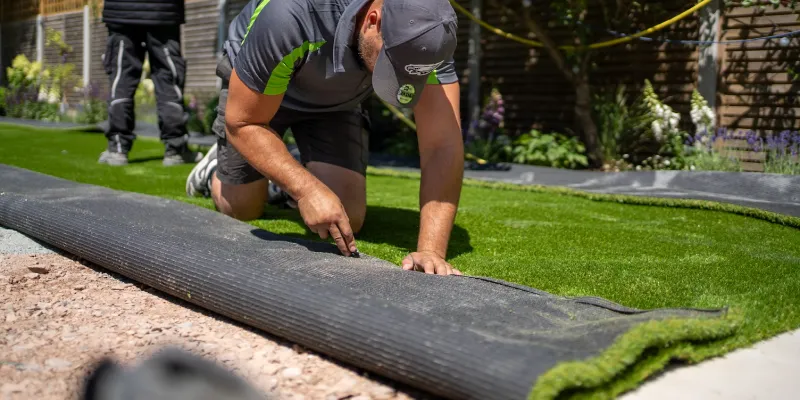
Poor alignment, uneven cuts, or rushed bonding leave visible seams that break the illusion of a natural lawn. Over time, badly joined edges can lift, separate, or curl, especially in high-traffic areas.
Proper joins rely on clean cuts, quality joining tape, and the right adhesive applied evenly. The pile should be brushed away from the seam before bonding so fibres don’t get trapped.
When done correctly, joins disappear. When done badly, they’re impossible to ignore.
Failing to Secure the Grass Properly
If artificial grass isn’t fixed firmly, it will move. It’s that simple.
Loose turf shifts underfoot, edges lift, and corners start to curl. Over time, even small movement stresses the backing and pull the joints apart. This is one of the most common mistakes when laying artificial grass, especially in DIY installs.
Fixing methods depend on the surface. Soil and sub-bases usually require galvanised nails or pins. Hard surfaces need adhesive.
In all cases, fixings should be spaced correctly around the perimeter and along joins. If the grass can move, it will.
Recommended Read: The Complete Guide to Artificial Lawn Installation: Cost, Process & More
Cutting Corners on Edges and Perimeters
Edges fail before the centre when artificial grass is installed poorly.
This is where foot traffic concentrates and where movement shows first. Weak edges lead to lifting, fraying, and visible gaps near walls, paths, and fences. Once an edge starts to go, it rarely fixes itself.
Edges need to be properly fixed and supported. That may mean extra pins, adhesive, edging restraints, or a solid perimeter frame. Locking the edges in place is what keeps the whole lawn stable over time.
Buying Artificial Grass in Separate Batches
Even the same astro turf product can vary between batches.
Colour tone, fibre texture, and pile direction can differ slightly from one production run to another. When grass is bought in stages, these differences become obvious once laid side by side.
This results in mismatched sections that look patchy, especially in large areas or open gardens.
The only real way to avoid this is to measure properly and order all the grass at the same time. It’s a small planning step that prevents a very visible problem.
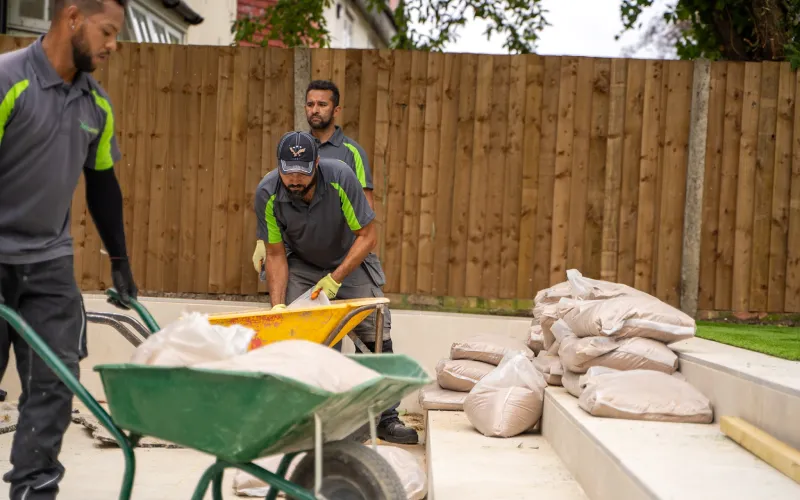
Skipping Infill or Using the Wrong Infill
Infill does more than weigh the grass down.
It supports the fibres, helps drainage, and affects how the surface feels underfoot.
Skipping infill, or using the wrong type, is a common reason people ask why their artificial grass feels crunchy when they walk on it.
Poor infill choices can compact too tightly, trap debris, or block drainage holes in the backing. This leads to hard patches, noise underfoot, and faster wear.
The correct infill depends on the turf and how the area is used. Applied evenly and brushed in properly, it keeps the grass upright, stable, and comfortable for longer.
Poor Finishing and Final Grooming
A lot of artificial grass installations fail at the last step.
Forgetting to brush the pile upright leaves the grass looking flat and artificial. Rushed cutting creates uneven edges, visible joins, and awkward gaps around borders.
Final grooming isn’t cosmetic. Brushing lifts the fibres, settles the infill, and reveals areas that need adjustment before the job is finished.
Without it, even a well-installed lawn looks unfinished and underwhelming.
Not Planning for Pets
Pets change how artificial grass needs to be installed.
Dog urine drains through the grass, but if the base and drainage aren’t designed for it, smells linger.
This is why people often ask how to stop artificial grass from smelling of dog pee or what happens to artificial grass when dogs pee on it.
Pet-friendly installations need proper drainage, suitable infill, and easy access for cleaning. Without these, odours build up and the lawn becomes unpleasant to use.
When artificial grass is installed with pets in mind, these issues are largely avoidable.
Must Read: Pros and Cons of Artificial Grass with Dogs (Dog Owner’s Guide 2026)
Ignoring Early Warning Signs
Artificial grass rarely fails all at once.
Smells, movement underfoot, hard patches, lifting edges, or visible ripples are early signs that something underneath isn’t right. These issues don’t fix themselves, and waiting usually makes them worse.
Small problems are often easy to correct if caught early. Left alone, they spread. A minor drainage issue turns into a persistent odour. Loose edges become failed joins. What could have been a simple repair ends up requiring a full re-install.
Knowing when to act is the difference between a quick fix and starting over.
Persisting With DIY When It’s Clearly Not Working
DIY artificial grass installation can work, but it has limits.
If the surface keeps moving, joins won’t stay flat, or smells keep returning, pushing on usually costs more than stopping. Repeated fixes rarely solve structural issues caused by poor base work or drainage.
This is where many people underestimate the real cost of DIY mistakes. Time, materials, and repeated adjustments add up fast.
Professionals approach installation differently.
They focus on groundwork, drainage, and long-term stability first, not just how the grass looks on day one. Knowing when to step back can save money, not waste it.
Latest Read: How Much Does Artificial Grass Cost in London? 2025
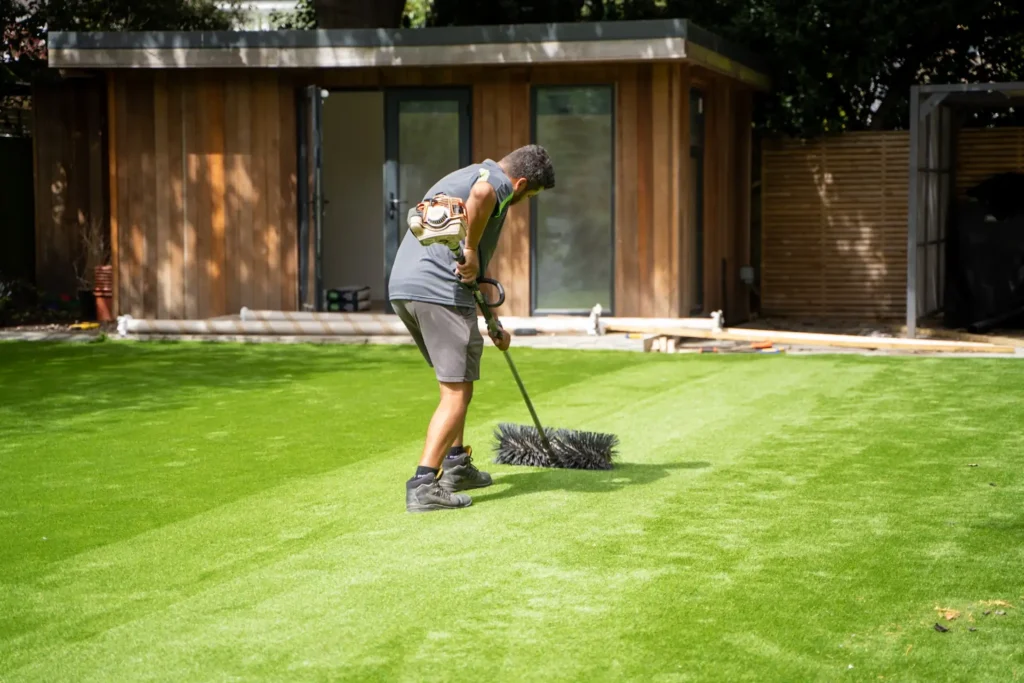
Why Most Artificial Grass Complaints Come Down to Installation
When people say they hate fake grass, they’re usually reacting to a bad experience, not the idea of artificial grass itself.
Ripples, smells, poor drainage, and surfaces that feel hard or uneven create a gap between what people expect and what they actually get.
Artificial grass is sold as low-maintenance and long-lasting, but those benefits only show up when it’s installed correctly.
Most complaints come from shortcuts taken during preparation. Weak bases, poor drainage, rushed joins, and incorrect fixing all compound over time.
The grass becomes uncomfortable to walk on, difficult to clean, and visually disappointing.
Proper installation changes everything.
A stable base, correct drainage, and the right turf choice result in a lawn that looks consistent, drains well, stays odour-free, and actually delivers on the promise people expect from artificial grass.
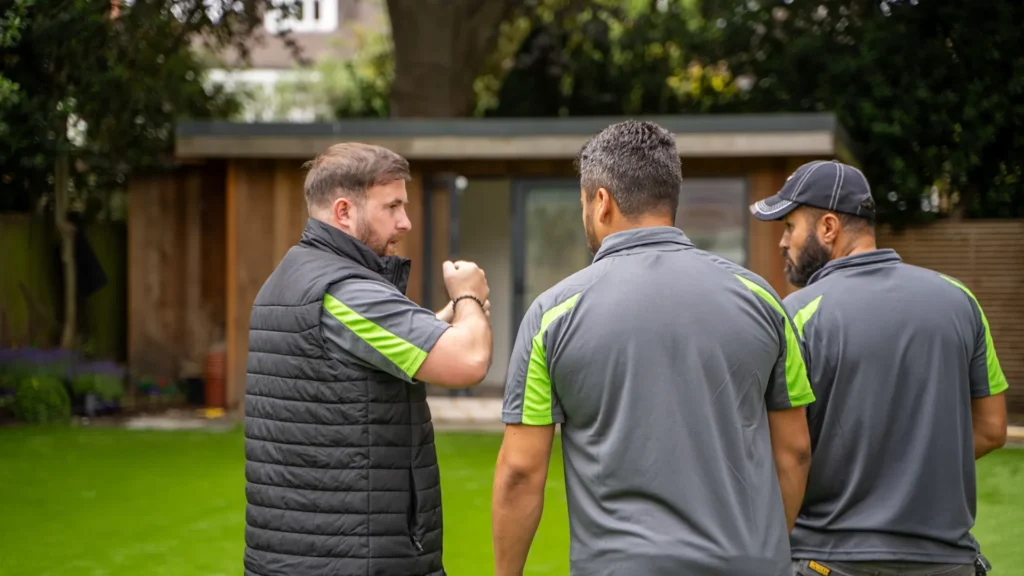
Get Professional Artificial Grass Installation from Superior Lawn
At Superior Lawn, we don’t just supply artificial grass. We install it properly.
That starts with helping you choose the right turf for how the space will actually be used. Gardens, pets, balconies, and high-traffic areas all need different solutions, and getting that decision right prevents problems later.
We provide professional astro turf installation across London, with a focus on groundwork, drainage, and long-term stability, not shortcuts.
Book a free survey with Superior Lawn today and get clear, honest advice before small issues turn into a full re-install.
Frequently Asked Questions
What not to do on artificial grass?
The biggest thing to avoid is cutting corners during installation.
Laying grass on soil, skipping proper base layers, ignoring drainage, or failing to secure edges properly are the most common artificial grass mistakes. These shortcuts almost always lead to movement, smells, poor drainage, and early failure.
Artificial grass performs well when installed correctly, but it doesn’t hide mistakes underneath.
Is there a wrong way to lay artificial grass?
Yes, absolutely.
There are several wrong ways to lay artificial grass, including installing it on uneven ground, laying rolls in different pile directions, rushing joins, or fixing it loosely.
These issues don’t always look obvious on day one, but they show up over time as ripples, colour inconsistencies, and lifting edges.
What can go wrong with artificial grass?
Most problems are installation-related. Common issues include dips, poor drainage, crunchy or hard patches, smells, visible joins, and grass that shifts underfoot.
When people ask what destroys artificial grass, it’s usually not foot traffic alone, but weak bases, trapped moisture, and repeated movement caused by poor installation.
Why does my artificial grass feel crunchy when I walk on it?
Crunchy artificial grass is usually caused by drainage or infill problems.
Water that doesn’t drain properly can mix with debris and compacted infill beneath the surface. Over time, this creates a hard, noisy feel underfoot. Using the wrong infill or skipping it altogether can make the problem worse.
What happens when rain falls on artificial grass?
Rain should pass straight through the grass backing and drain into the base below.
If drainage is poorly designed, water can pool underneath the surface. This leads to lingering moisture, mould growth, smells, and hard patches forming over time. Proper sub-base materials and fall are essential for preventing these issues.
What should you put under artificial grass?
A typical installation includes a compacted sub-base such as MOT Type 1, followed by a levelling layer of sharp sand or fine aggregate.
A weed membrane should be installed between the soil and base to prevent regrowth. These layers provide stability, drainage, and long-term performance.
How long does it take for artificial grass to settle?
Artificial grass doesn’t “settle” in the way natural ground does.
If the base is installed correctly, the surface should feel stable almost immediately.
Minor adjustments may happen as infill settles over the first few weeks, but movement, dips, or ripples aren’t normal and usually indicate installation issues.
Why do people hate fake grass?
Most people who dislike artificial grass have experienced a poor installation.
Problems like smells, ripples, hard surfaces, and unrealistic appearance create disappointment.
When artificial grass is installed properly, those complaints largely disappear, which is why professional installation makes such a big difference to long-term satisfaction.
What happens to artificial grass when dogs pee on it?
Dog urine drains through artificial grass, but if drainage underneath is poor, smells can build up.
Without proper base layers and pet-friendly infill, urine can linger and cause persistent odours. That’s why pet installations need specific planning around drainage and cleaning access.
How do I stop my artificial grass from smelling of dog pee?
The solution starts underneath the grass.
Good drainage, the right infill, and regular rinsing prevent smells from building up. If odours persist, it usually means the base isn’t draining correctly and may need professional assessment rather than surface cleaning alone.