
Artificial grass has become a go-to choice for UK homeowners who want a neat, low-maintenance garden that stays green all year.
No mowing, no muddy areas, no dry patches, just a clean, reliable surface that works in almost any space.
At Superior Lawn, one of the most common questions we hear is:
“How long does artificial grass actually last?”
The simple answer is around 10–20 years for most good-quality products. But the real lifespan depends on a few key things — the material, installation, foot traffic, weather exposure, and how you look after it.
In this guide, we’ll break down:
- how long artificial grass typically lasts,
- what affects its durability,
- how pets, kids, and weather impact its lifespan,
- signs it’s time for a replacement,
- and what you can do to make your lawn last as long as possible.
By the end, you’ll know exactly what to expect and how to get the best performance from your artificial lawn.
- So… Is Artificial Grass Truly Safe for Children?
- What Makes Artificial Grass Safe for Children?
- How to Create a Child-Safe Artificial Grass Play Zone
- FAQs: What Every Parent Wants to Know
- Can kids play barefoot on artificial grass?
- Will artificial grass give my child rug burns?
- What if my child spills food or gets sick on the grass?
- Is it safe for babies and toddlers?
- Does artificial grass smell?
- Is it safe under the playground equipment?
- Will it help with allergies?
- Does artificial grass get too hot in summer?
Table of Contents
ToggleHow Long Does Artificial Grass Last?
Most artificial grass in the UK lasts 10–20 years.
That’s the general range for a good-quality product that’s installed properly and cared for. Some premium lawns last even longer — in the 20–25 year range — especially when the garden isn’t used heavily.
At Superior Lawn, we offer premium artificial grasses in London with an over 20-year life expectancy.
However, the lifespan also depends on how the space is used.
Here’s a quick breakdown to give you a clear picture:
Artificial Grass Lifespan by Use
| Area Type | Expected Lifespan | Notes |
|---|---|---|
| Domestic Gardens | 12–20 years | Light to moderate foot traffic. Ideal for most homes. |
| Busy Family Gardens | 10–15 years | More wear from kids, play areas, and daily use. |
| Pet-Friendly Turf | 8–15 years | Dogs add extra pressure, but good drainage and cleaning help it last. |
| Commercial Spaces & Schools | 8–12 years | High foot traffic, constant activity. Needs more frequent brushing and checks. |
Artificial grass lasts longer when the fibres are dense, UV-stabilised, and designed for the type of activity in your garden.
Installation also plays a big role — a stable base and proper drainage prevent early wear.
In the next section, we’ll look at the main factors that affect lifespan and what you should watch out for.
Must Read: Honest Expert Answers to Your Top FAQs related to Artificial Grass
What Affects the Lifespan of Artificial Grass?
Artificial grass can last a long time, but several factors decide how well it holds up.
The material, installation, foot traffic, weather, and general care all play a part.
Here’s what matters most.
1. Quality of Materials
The quality of the turf fibres is one of the biggest lifespan factors.
Nylon, polyethylene, and polypropylene are the three main materials used:
- Nylon – the strongest and most durable. Great for high-traffic areas but usually more expensive.
- Polyethylene – soft, realistic, and ideal for most UK gardens. Strong enough for regular use.
- Polypropylene – cheaper but less durable. Best for decorative spaces, not busy gardens.
The structure of the turf matters too.
A higher density and stitch rate usually means the lawn will keep its shape longer. The pile height also affects durability.
Shorter piles stay upright longer, while longer piles look more natural but may flatten over time.
Backing is another key detail.
PU backing handles moisture better and lasts longer, while latex backing is common but can expand or contract with temperature changes.
Choosing a strong, UV-stabilised product makes a big difference in how long your lawn stays green and fresh.
2. Installation Quality
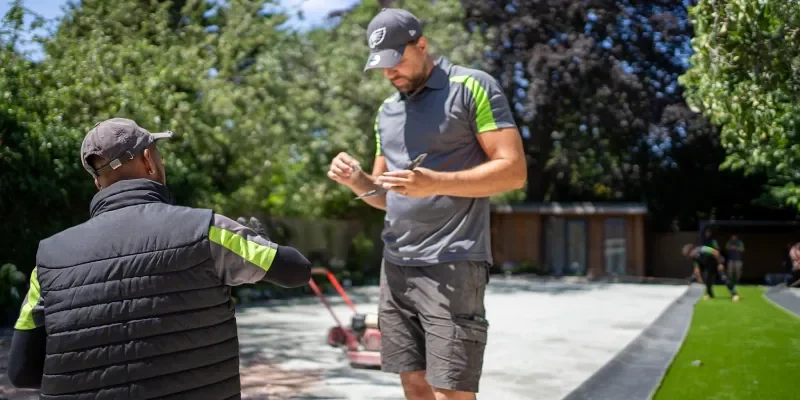
Even the best artificial grass won’t last if it’s installed poorly.
A proper base, solid compaction, and accurate levelling are essential for long-term performance.
Good installation ensures:
- reliable drainage,
- a stable surface,
- no shifting or sinking.
Poor installation often leads to:
- lifting edges,
- dips in the ground,
- wrinkles across the surface,
- visible seams.
These issues don’t just affect appearance — they shorten the overall lifespan.
This is why many homeowners choose professional installers like us, Superior Lawn, to make sure the basics are done right.
3. Traffic & Usage Level
How the garden is used has a direct impact on durability.
If you have kids running around, dogs playing daily, or a garden used for gatherings, the turf will wear faster. High-traffic areas flatten sooner and may need more regular brushing.
Lower-traffic spaces — such as decorative areas or side gardens — naturally last longer because the fibres stay upright and under less pressure.
If your garden is busy, choosing a more durable product at the start helps extend its lifespan.
4. Weather & Environmental Exposure
UK weather plays a role too.
Artificial grass with UV protection is important, especially in south-facing gardens where the sun hits the surface for most of the day.
Without UV-stabilised fibres, fading happens faster.
Heavy rain is also common in the UK, so proper drainage keeps the base stable and prevents water damage.
Frost, snow, and even occasional heatwaves won’t harm good-quality turf, but poor-quality products may become brittle or discoloured over time.
Shaded gardens usually hold up well, while exposed areas may need tougher fibres to maintain their look.
5. Maintenance Habits
Artificial grass is low maintenance, but not zero maintenance.
A quick brush now and then, clearing debris, and rinsing pet areas all help the lawn stay in good condition.
Simple upkeep prevents fibres from matting and stops dirt from building up.
With light but regular care, you can easily add years to the lifespan of your artificial lawn.
Related Read: Is Artificial Grass Safe for Kids? A Parent’s Guide
How Long Does Artificial Grass Last With Pets?
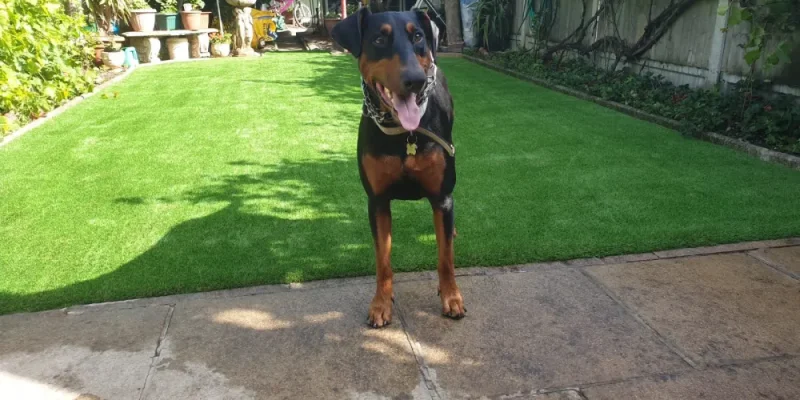
Artificial grass can last a long time even with pets, but the lifespan is usually a little shorter compared to a standard garden.
Most pet-friendly turf lasts around 8–15 years, depending on the product and how often your dogs use the space.
Dogs put more pressure on a lawn. They run, dig, slide, and use the same areas repeatedly.
This extra activity can flatten fibres sooner, so choosing a durable product from the start is important.
Good pet turf is designed to handle:
- regular foot traffic,
- dog urine,
- odours,
- and daily cleaning.
The drainage layer plays a big role here.
A proper base allows urine to pass through quickly, preventing smells and keeping the surface hygienic.
Rinsing the area often helps the turf last longer and stay fresh.
Pet-specific infill is also worth considering. Products made for dogs help reduce odours and keep the fibres upright.
They support the backing and prevent compacted patches in the areas your pet uses most.
With the right turf, good drainage, and simple routine care, artificial grass for pets stays clean, durable, and comfortable for years.
Also Read: Top Pros and Cons of Artificial Grass with Dogs (Dog Owner’s Guide 2025)
Signs Your Artificial Grass Needs Replacing
Artificial grass lasts a long time, but it won’t stay perfect forever. When it’s reaching the end of its lifespan, a few clear signs start to show.
1. Flattened fibres
If the blades stay flat even after brushing, the turf may be worn out. High-use areas show this first.
2. Bald or thinning patches
When the fibres come loose or the backing starts to show through, replacement is usually the best option.
3. Matting that doesn’t lift
If the surface feels compacted or hard underfoot and brushing makes little difference, the structure of the turf has weakened.
4. Drainage problems
Water pooling, slow drainage, or persistent damp areas often mean the base has shifted or the backing has broken down.
5. Persistent smells
Pet-heavy lawns that hold odour even after cleaning may need new turf or refreshed infill.
6. Fading or discolouration
UV-stabilised grass should hold its colour, but older turf can start to lighten or show patchy tones.
7. Loose seams or edges
If joints keep lifting or the perimeter won’t stay pinned down, the backing may no longer be strong enough.
If the issue is small — like a lifted seam, a minor tear, or a localised patch — repair is usually enough.
If several areas are affected or the turf feels tired overall, a replacement will give a better long-term result.
Latest Read: The Complete Guide to Artificial Lawn Installation: Cost, Process & More
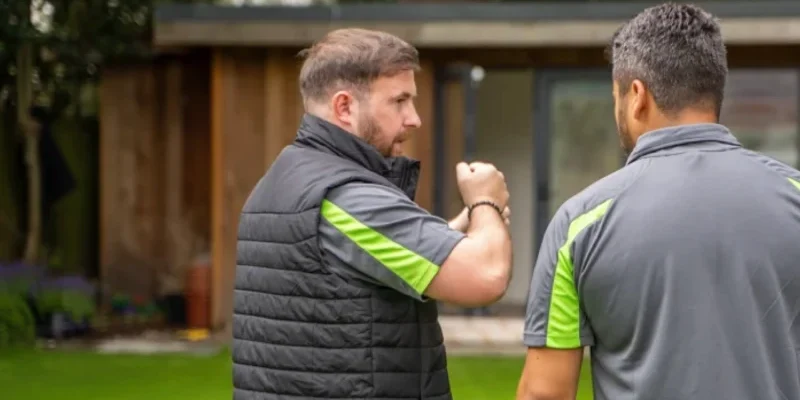
How to Make Your Artificial Grass Last Longer (Expert Tips)
A little routine care goes a long way. Even though artificial grass is low maintenance, these simple habits help keep it looking fresh for years.
Brush regularly
A light brush every couple of weeks keeps the fibres upright and prevents flat spots in high-use areas.
Clear debris
Leaves, twigs, and dirt build up over time. Removing them stops the surface from compacting and keeps the lawn clean.
Rinse when needed
A quick hose-down helps wash away dust, pollen, and pet residues. It also keeps the colour looking bright.
Look after pet areas
Rinse dog spots more often and use pet-friendly infill to help control odours and support the turf.
Follow a simple seasonal routine
- Spring: Brush, rinse, and check seams.
- Summer: Watch for reflective heat from windows.
- Autumn: Clear leaves more often.
- Winter: Avoid heavy objects on frosty grass and let ice melt naturally.
Protect busy zones
If your garden has a pathway or a favourite play area, brushing these sections more often helps maintain their shape.
Avoid Heat Damage
Keep BBQs, fire pits, and hot tools away from the turf. Even reflective heat from certain windows can cause softening, so consider using anti-reflective film if needed.
With these simple steps, you can easily add years to the lifespan of your artificial lawn and keep it looking its best with minimal effort.
Also Read: Top Pros and Cons of Artificial Grass with Dogs (Dog Owner’s Guide 2025)
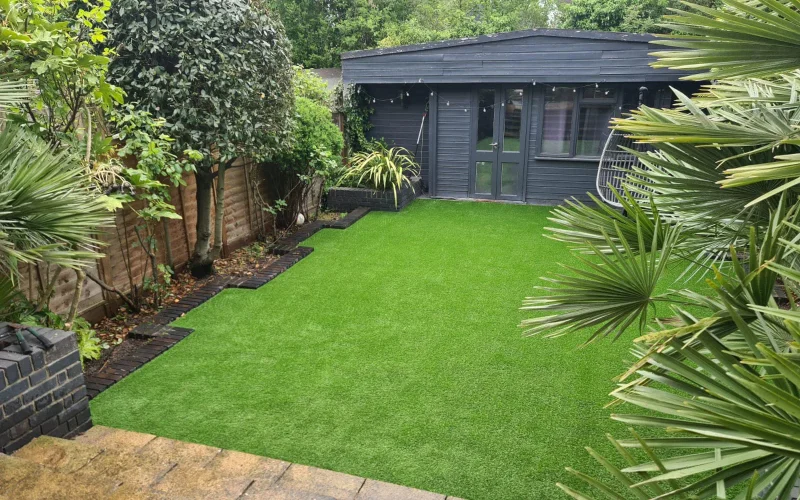
Does More Expensive Artificial Grass Last Longer?
In most cases, yes. Higher-quality artificial grass generally lasts longer because it uses stronger fibres, better backing, and improved UV protection.
Over 10–20 years, this makes a noticeable difference.
Cheaper turf may look fine at the start, but it usually flattens faster, fades sooner, and needs replacing much earlier.
When you spread the cost over its lifespan, budget grass often ends up costing more in the long run.
Here’s a simple example:
| Type of Grass | Upfront Cost | Average Lifespan | Cost Per Year |
|---|---|---|---|
| Budget Turf | £12/m² | 6–8 years | ~£1.70–£2 per year |
| Mid-Range Turf | £18–£22/m² | 10–15 years | ~£1.20–£1.80 per year |
| Premium Turf | £25–£32/m² | 15–20+ years | ~£1–£1.40 per year |
Premium grass gives a better return because it stays upright longer, keeps its colour, and handles daily use far better.
If you want a lawn that looks natural and lasts the full 15–20 years, investing in better materials from the start is usually the smarter choice.
Don’t know how much AstroTurf generally costs in London?
Conclusion
Artificial grass can last a long time — usually 10–20 years, and even longer with the right product and proper installation.
The main factors that influence lifespan are the quality of materials, the installation process, how much the garden is used, and the level of basic maintenance it receives.
A good turf, installed on a stable base and looked after with simple brushing and cleaning, will stay green and reliable for many years.
If you choose materials that match how your garden is used — especially if you have pets or a busy family — you’ll get the best value and the longest-lasting results.
Get a Professional Artificial Grass Installation in London
If you’re in London and looking for long-lasting artificial grass, our team at Superior Lawn can help.
We supply and install premium turf designed to stay green, durable, and low-maintenance for years.
We offer:
- lifting edges,Free site surveys
- Expert advice
- Professional installation with over 20 years’ experience
- Long warranties on all artificial grass products
Get your free quote today, and let’s create a garden that stays green all year.
People Also Ask
How long does artificial grass last in the UK?
Most artificial grass in the UK lasts 10–20 years, depending on the material, installation quality, and how much the garden is used.
Premium, UV-resistant artificial grass can last even longer, especially in domestic spaces with light to moderate traffic.
What is the longest-lasting type of artificial grass?
Nylon artificial grass is the strongest and longest-lasting option. It handles heavy use, heat, and constant foot traffic better than polyethylene or polypropylene.
For busy family gardens or high-traffic areas, nylon or high-density polyethylene turf offers the best long-term durability.
Does artificial grass fade over time?
Good-quality, UV-stabilised artificial grass does not fade. Modern fibres are designed to withstand sunlight in UK weather conditions. Fading only becomes an issue with very cheap, non-UV-protected products.
Does dog urine ruin artificial grass?
No. Pet-friendly artificial grass is designed to handle dog urine without damage. The key is good drainage and regular rinsing. Using pet-specific infill helps control odours and keeps the turf fresh for longer.
How often should artificial grass be brushed?
Brushing every 2–3 weeks helps keep the fibres upright and prevents matting, especially in high-traffic areas.
This simple maintenance habit extends the overall artificial grass lifespan and keeps the surface looking natural.
How do I make artificial grass last longer?
Regular brushing, removing debris, rinsing pet areas, and protecting high-traffic spots all help.
Choosing premium artificial grass and ensuring it’s installed with proper drainage gives the longest lifespan — usually 15–20+ years.
What are the signs that artificial grass needs replacing?
Common signs include flattened fibres, bald patches, poor drainage, loose seams, fading, or persistent smells in pet areas.
If several of these appear at once, replacing the turf is usually more cost-effective than constant repairs.