
Designing a garden becomes a little different when you have pets.
You want an outdoor space where they can move around, play and relax, but you also want somewhere that looks attractive and works for the rest of the household.
The challenge is finding the right balance. A garden filled with plants and decorative features might look beautiful, but it may not leave enough room for your dog to play. On the other hand, covering the entire space with one surface might make it practical but leave it looking a little plain.
That’s where thoughtful garden planning makes a difference. Artificial grass can form part of a practical pet-friendly garden, especially when combined with suitable pathways, shaded corners, planting areas and comfortable seating.
In this guide, we’ll explore how to design a pet-friendly garden with artificial grass, including practical layout ideas and features that help create an outdoor space both pets and homeowners can enjoy.
- So… Is Artificial Grass Truly Safe for Children?
- What Makes Artificial Grass Safe for Children?
- How to Create a Child-Safe Artificial Grass Play Zone
- FAQs: What Every Parent Wants to Know
- Can kids play barefoot on artificial grass?
- Will artificial grass give my child rug burns?
- What if my child spills food or gets sick on the grass?
- Is it safe for babies and toddlers?
- Does artificial grass smell?
- Is it safe under the playground equipment?
- Will it help with allergies?
- Does artificial grass get too hot in summer?
Table of Contents
ToggleWhat Should a Well-Designed Pet-Friendly Garden Include?
Before choosing materials or planning individual features, think about how your pet uses the garden. A good design should support everyday activities without making the space difficult for you to maintain or enjoy.
There are four important things to consider.
Space to move: Your pet needs enough open space to walk, run and play comfortably. Avoid filling every available area with furniture, planters or decorative features.
Comfortable resting areas: Include a shaded corner where your pet can relax, particularly during warmer weather. Access to fresh water and a cooler surface is also important.
Practical surfaces: Different parts of the garden may benefit from different materials. Pet-friendly artificial grass can define an open lawn area, while paving can provide a practical surface for seating and pathways.
Clear boundaries: Fences, gates and entrances should suit your pet’s size and behaviour. Check for gaps and potential escape routes when planning the layout.
The right arrangement will depend on the size of your garden, your pet’s activity level and how you want to use the outdoor space.
10 Pet-Friendly Garden Design Ideas Using Artificial Grass
You don’t need a complicated landscaping project to create a garden that works for your pets. A few well-planned features can make the space more practical while keeping it attractive.
Here are ten ideas to consider.
1. Create a Dedicated Artificial Grass Play Area
If your pet enjoys spending time outdoors, consider creating a dedicated play area using artificial grass.
Rather than covering every part of the garden, use the available space to create an open lawn where your dog can move around without constantly navigating obstacles.
Start by looking at the shape and size of your garden. A rectangular lawn may work well in a long, narrow space, while a more flexible layout could suit a wider garden.
Try to keep the main play area clear of unnecessary furniture, large planters and decorative features. This gives your pet more room to move and makes the garden feel less cluttered.
You can also position the play area where it is easy to access from the house. This makes everyday use more convenient and allows you to keep an eye on your pet while spending time indoors or outside.
The aim is to create a useful open space that fits naturally into the overall garden design.
Also Read: How to Keep Artificial Grass Hygienic for Children
2. Divide Your Garden into Different Activity Zones
One of the most effective ways to design a pet-friendly garden is to divide it into separate activity zones.
This approach helps you make better use of the available space without making the garden feel overcrowded.
For example, you could create four main sections:
- Play area: An open artificial grass lawn where your pet can move around.
- Resting area: A shaded corner with a comfortable place to relax.
- Planting area: A section for shrubs, flowers and other suitable plants.
- Seating area: A practical space where you can sit, relax or enjoy outdoor meals.
You don’t need physical walls or complicated landscaping to separate these sections. Different surfaces, garden borders and the positioning of furniture can help define each area.
Artificial grass can form the central feature, with paving or decorative gravel used around it to create a more structured appearance.
This layout works particularly well when you want the garden to serve several purposes rather than being designed exclusively for your pet.
3. Add a Shaded Resting Corner for Your Pets
A dog-friendly garden should offer more than an open space for playing. It should also provide somewhere comfortable to rest.
This is especially important during warmer weather, when direct sunlight can make outdoor surfaces uncomfortable.
Look for a naturally shaded part of the garden, perhaps beside a suitable tree, along a shaded boundary or near the house. If natural shade is limited, you could consider a suitable outdoor umbrella or shade structure.
Keep fresh drinking water accessible and make sure your pet has a cooler surface to rest on. Artificial grass can become hot when exposed to strong sunlight, so don’t rely on it as the only surface available.
You should also think about how the shaded area fits into the overall layout. Placing it near the main play area can give your pet an easy place to rest without having to cross the entire garden.
For more advice about managing surface temperatures, read our guide on how to stop artificial grass from getting too hot.
4. Combine Artificial Grass with Paving
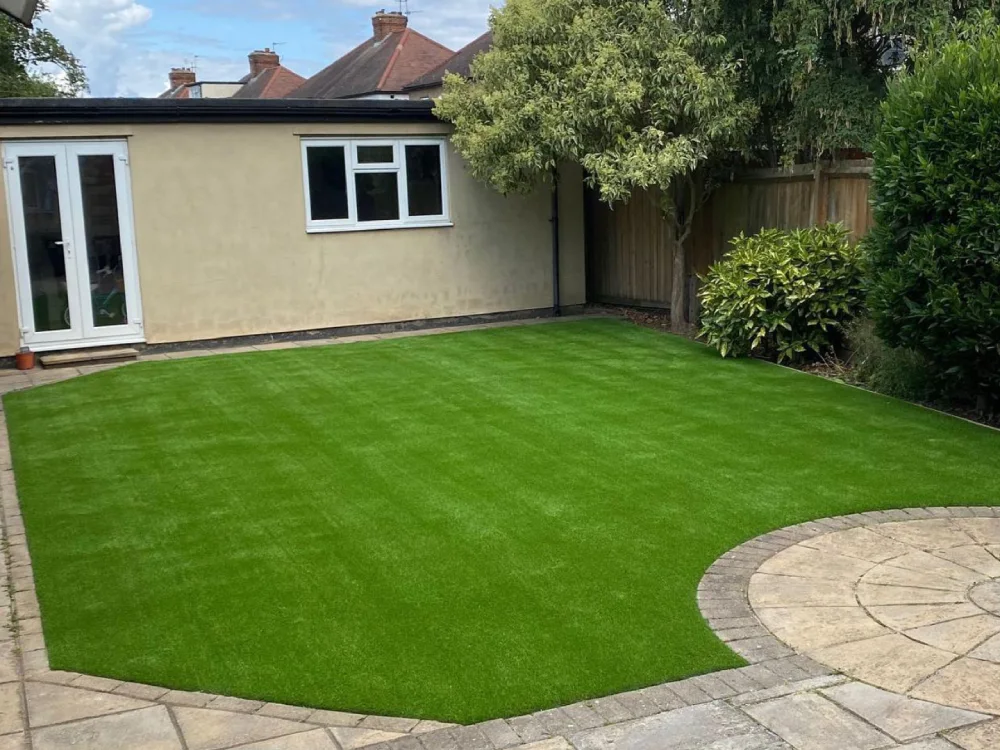
An entire garden doesn’t have to be covered in artificial grass. Combining it with paving can create a more balanced and practical outdoor space.
For example, you could use artificial grass as the main lawn area and install paving beside it to create a seating or dining section.
This gives your garden different surfaces for different activities. Your pet has an open area to move around, while you have a more stable space for garden furniture.
Large paving slabs can create a modern appearance, while natural stone may suit a more traditional property. The choice depends on your existing garden design and the overall look you prefer.
Pay attention to the transition between the two materials. Neat edging and properly planned levels can help the finished garden look more organised.
This approach is particularly useful for homeowners who want a pet-friendly lawn without giving up space for entertaining or relaxing outdoors.
5. Design Pet-Friendly Pathways Around the Garden
Pathways can make a garden easier to navigate and help connect its different sections.
Instead of leaving the whole garden as one open area, consider creating clear routes between the entrance, lawn, seating area and resting corner.
Paving slabs, suitable stepping stones and other outdoor materials can all be used to create practical pathways.
For a contemporary design, you could choose straight pathways with clean edges. If you prefer a softer appearance, a gently curved route may work better.
Think about how your pet will move around the garden when planning these routes. Avoid awkward corners, unnecessary obstacles and narrow gaps that make movement difficult.
Pathways can also help protect planted sections by giving people and pets a clear route through the space.
The goal is to make the garden feel connected, rather than having several separate features that don’t work together.
6. Protect Flower Beds with Raised Garden Borders
Natural plants can make a pet-friendly garden feel more colourful and welcoming. You don’t have to give them up just because your dog uses the outdoor space.
Raised flower beds and defined garden borders can help separate planting areas from the main lawn.
You could position a raised bed along a boundary, beside a pathway or near the seating area. Timber, brick and stone are all options, depending on the appearance you want to achieve.
When choosing plants, consider their mature size, watering requirements and suitability for a garden used by pets. Some common garden plants can be harmful if chewed or swallowed, so check their safety before adding them.
It’s also worth avoiding sharp edges and placing delicate plants where they are less likely to be disturbed.
Combining raised planting areas with artificial grass can create an attractive contrast between natural greenery and a neat lawn surface.
7. Create a Small Garden Design That Doesn't Feel Crowded
A small garden can still provide enough room for pets and people when the layout is planned carefully.
The main mistake to avoid is trying to include too many features in a limited space. A large seating area, several planters, multiple pathways and a lawn can quickly make a small garden feel cramped.
Instead, focus on a few elements that serve a clear purpose.
For example, you could create a compact artificial grass area as the main feature, use a narrow paved section for access and add a small number of planters along the boundary.
Vertical planting can also introduce greenery without taking up too much floor space. Wall-mounted planters or suitable climbing plants may be worth considering, provided they are appropriate for pets and the garden conditions.
Keep the layout open and avoid unnecessary changes in surface materials. A simpler design often makes a small outdoor space feel more organised.
For more inspiration, explore our guide to small garden makeover ideas with artificial turf.
8. Install Secure Garden Boundaries and Gates
Garden boundaries are an important part of pet-friendly design, particularly if your dog spends time outdoors without being on a lead.
Before making changes to the garden, check the condition of your existing fences and gates.
Look for gaps near the ground, loose panels, damaged sections and spaces around gates. Even a small opening may become an escape route for a curious or determined pet.
The height and design of the boundary should also suit your dog’s size and behaviour. Some dogs may be able to jump over low fencing, while others may try to squeeze through gaps.
Choose gates that close securely and are easy for household members to use. Avoid exposed sharp edges, loose fittings and other potential hazards.
If you’re installing new landscaping features, consider how they might affect access to the boundary. Raised planters, garden furniture and storage units should not create convenient climbing points next to fences.
A well-planned boundary helps make the garden more secure while keeping the overall design tidy.
9. Add a Comfortable Outdoor Seating Area
Your garden should be enjoyable for you as well as your pet.
A seating area gives you somewhere to relax while your dog spends time outdoors. It can also make the garden more useful for family gatherings and everyday activities.
If space allows, position the seating area beside the main artificial grass lawn rather than directly in the middle of it. This keeps the play area open while allowing you to stay close to your pet.
Paving can provide a stable base for outdoor tables and chairs. You could also use suitable decking-style surfaces if they fit your garden design.
Choose practical furniture that is easy to clean and arrange it so there is enough room to move around.
Avoid placing furniture too close to pathways or garden entrances. Keeping these routes clear makes the space easier to use.
With the right arrangement, you can create a garden where your pet has room to play and the rest of the household has somewhere comfortable to spend time.
10. Design a Garden That Works Throughout the Year
A garden should be practical beyond the warmer months. When planning your layout, think about how the space will work in different weather conditions.
During summer, shaded areas and access to cooler surfaces become particularly important. In wetter weather, drainage and water run-off should be considered when choosing materials and planning installation.
You should also think about how different sections will be used throughout the year.
For example, a paved seating area may be more convenient for outdoor furniture, while an artificial grass lawn can provide a defined green space without the regular mowing associated with natural turf.
Choose materials that suit your garden’s conditions and avoid creating areas where water can collect.
A little planning at the beginning can help you create an outdoor space that remains practical as the seasons change.
How to Choose the Right Artificial Grass for a Pet-Friendly Garden
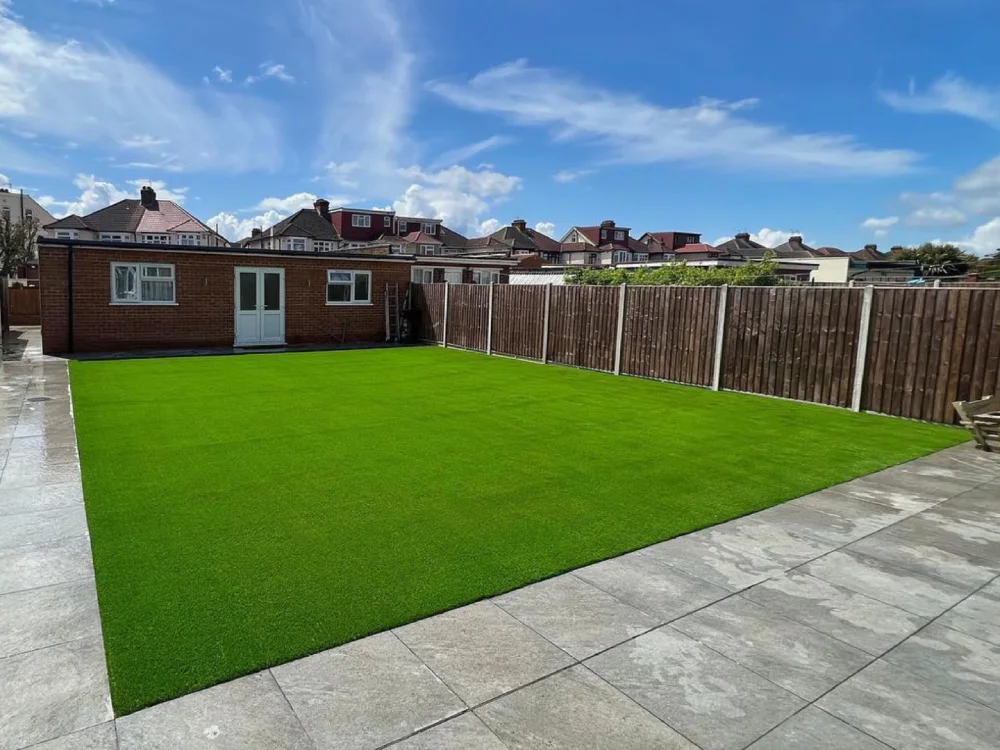
Once you’ve planned the layout, the next step is choosing artificial grass that suits the space.
Rather than focusing only on appearance, consider how the lawn will fit into the overall design and how the area will be used.
Start with the texture and appearance. Artificial grass is available in different styles, colours and finishes, so look for an option that complements your garden rather than appearing out of place.
Next, consider pile height. Different pile heights create different looks and feels. The most suitable option will depend on your preferences and how you intend to use the area.
Drainage is another important consideration. The lawn and its underlying construction should be suitable for the site’s conditions, with proper preparation to help water drain away.
Finally, think about how the artificial grass will meet surrounding paving, garden borders and other surfaces. A well-planned installation should create neat transitions between the different sections.
For more guidance, read our article on how to choose artificial grass in London.
Common Pet-Friendly Garden Design Mistakes to Avoid
Even a good garden idea can become impractical if the layout isn’t properly considered. Here are five mistakes worth avoiding.
1. Covering the entire garden without planning different zones
A single large lawn may leave little room for seating, pathways or planted areas. Think about how you want to use the garden before deciding where artificial grass should go.
2. Ignoring shade
An open lawn can look attractive, but pets also need somewhere to escape direct sunlight. Include shaded resting areas as part of the original design.
3. Choosing unsuitable plants
Not every garden plant is appropriate for an area used by pets. Check plant safety before introducing new flowers, shrubs or other greenery.
4. Overcrowding the layout
Too many planters, furniture items and decorative features can restrict movement. Keep the main routes and activity areas clear.
5. Overlooking drainage and ground preparation
The appearance of artificial grass is only one part of the finished result. The ground underneath needs to be properly prepared, and drainage should be considered before installation begins.
Avoiding these mistakes can help you create a garden that looks organised and works better for everyday use.
Is Artificial Grass Enough to Create a Pet-Friendly Garden?
Artificial grass can form a useful part of a pet-friendly outdoor space, but it shouldn’t be treated as the complete solution.
A well-designed garden needs several features working together. Your pet should have room to move, access to shade, a comfortable place to rest and a secure boundary.
The surrounding landscaping matters too. Suitable planting, practical pathways and different surface areas can make the garden more functional without taking away from its appearance.
Think about how your pet uses the space throughout the day. Where do they usually play? Where do they prefer to rest? Are there areas they regularly avoid?
These everyday habits can help you decide where to position the lawn, seating and other garden features.
Ultimately, the best design is one that considers your pet’s needs while making the outdoor space enjoyable for everyone in the household.
When Should You Consider Professional Artificial Grass Installation?
Professional installation is worth considering when you want artificial grass to fit neatly into a wider garden design.
This is particularly relevant when the lawn needs to meet existing paving, garden borders, patios or other landscaping features.
Ground preparation also needs careful attention. Uneven surfaces, existing soil conditions and drainage requirements should be considered before the grass is installed.
Planning these details properly can help create a stable base and a neat finish around the edges.
If you’re interested in understanding the process, our guide on how to lay artificial grass explains the main stages involved.
Superior Lawn provides artificial grass installation across London and offers free surveys to help homeowners understand what their garden may need. If you’re planning a pet-friendly garden, a survey is a useful starting point for discussing the layout and installation requirements.
Design a Garden Your Pets and Family Can Enjoy
A well-designed pet-friendly garden is about more than choosing an artificial grass surface. It’s about creating an outdoor space that gives your pet room to play, somewhere comfortable to rest and a layout that works for everyday family life.
By combining artificial grass with suitable pathways, shaded areas, secure boundaries and carefully planned planting, you can create a garden that is both practical and attractive.
Before making changes, consider the size of your garden, how your pet uses the space and which features matter most to your household.
If you’re considering artificial grass for your garden, Superior Lawn can help you plan the installation. We offer free surveys across London, giving you the opportunity to discuss your outdoor space and the work involved.
Visit Superior Lawn to find out more about our artificial grass installation services.
Frequently Asked Questions
How do I design a garden that is suitable for dogs?
Start by creating enough open space for your dog to move around comfortably. You can then add separate areas for resting, planting and seating. Consider secure boundaries, suitable surfaces and access to shade when planning the layout.
Can I combine artificial grass with natural plants in a pet-friendly garden?
Yes. Artificial grass can be used as the main lawn surface, with natural plants arranged in raised beds or defined borders. This creates a balance between a neat green area and natural landscaping. Always check that your chosen plants are suitable for pets.
What is the best garden layout for a dog?
The best layout depends on your dog’s size, activity level and the space available. In general, an open play area, a shaded resting corner and clear pathways can make the garden easier to use. Avoid overcrowding the space with unnecessary furniture or obstacles.
How can I make a small garden suitable for pets?
Keep the layout simple and make every section serve a purpose. A compact artificial grass area, a clear pathway and a few carefully positioned planters can work well. Avoid adding too many separate features, as these can reduce the available space.
Should I have a shaded area in an artificial grass garden?
Yes. Artificial grass can become hot in direct sunlight, so pets should have access to shade and cooler surfaces. A naturally shaded corner or suitable outdoor shade structure can provide somewhere more comfortable to rest.
What should I avoid when designing a pet-friendly garden?
Avoid overcrowding the garden, leaving gaps in boundaries, choosing plants without checking their suitability for pets and overlooking drainage. You should also make sure there are shaded areas and clear routes between the different sections of the garden.