
Your front garden is one of the first things people notice about your home.
Whether you have a large front lawn, a narrow pathway or just a small outdoor space beside your entrance, the right design can make a noticeable difference to the overall appearance of your property.
The good news is that you don’t need a huge garden or an expensive landscaping project to create an attractive entrance. Sometimes, a few thoughtful changes to your lawn, pathway, plants or garden borders are enough to give the space a completely different look.
If you’re looking for inspiration, we’ve put together 15 front garden ideas to help you make better use of your outdoor space.
From modern artificial grass designs to decorative paving and low-maintenance layouts, there’s something here for different property styles, garden sizes and budgets.
- So… Is Artificial Grass Truly Safe for Children?
- What Makes Artificial Grass Safe for Children?
- How to Create a Child-Safe Artificial Grass Play Zone
- FAQs: What Every Parent Wants to Know
- Can kids play barefoot on artificial grass?
- Will artificial grass give my child rug burns?
- What if my child spills food or gets sick on the grass?
- Is it safe for babies and toddlers?
- Does artificial grass smell?
- Is it safe under the playground equipment?
- Will it help with allergies?
- Does artificial grass get too hot in summer?
Table of Contents
Toggle15 Front Garden Ideas to Improve Your Home's Appearance
A well-designed front garden should look inviting while still being practical. Before choosing materials or adding new features, think about the available space, the style of your property and how much time you want to spend looking after it.
Here are 15 ideas worth considering.
1. Create a Neat Artificial Grass Front Garden
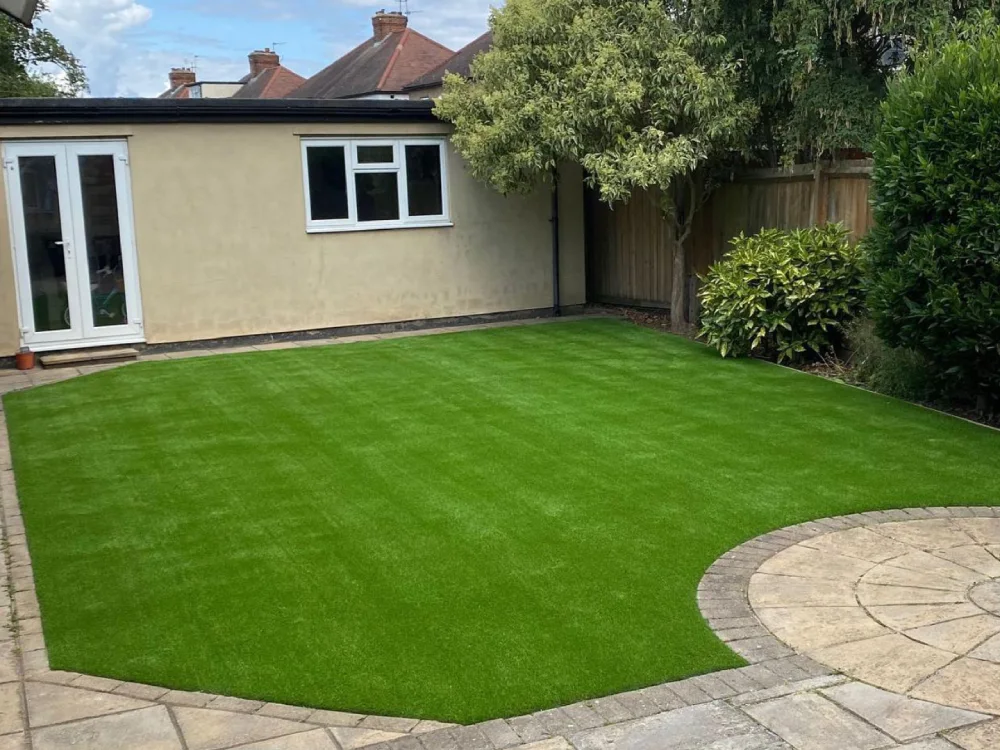
If you want your front garden to have a green, tidy appearance throughout the year, artificial grass is worth considering.
Unlike natural turf, it doesn’t need regular mowing, watering or reseeding. This can make it a practical option for homeowners who want a neat-looking lawn without having to spend as much time looking after it.
You can use artificial grass across the main lawn area and combine it with paving, decorative gravel or planted borders to create a more interesting layout.
It can work particularly well in smaller front gardens where a simple green surface helps bring the different elements together.
The important thing is to choose a suitable product and make sure the ground is properly prepared before installation. A well-installed lawn will look much more natural and sit neatly within the surrounding landscaping.
Related Read: Artificial Grass vs Real Grass: Which Is Better in 2026?
2. Add a Modern Paved Pathway
A pathway does more than provide access to your front door. It can also become one of the main design features of your garden.
Large paving slabs, natural stone and modern concrete pavers can all create an attractive entrance. The choice depends on the style of your property and the overall look you’re trying to achieve.
For a contemporary home, straight lines and larger paving slabs can create a clean, organised appearance. If your property has a more traditional style, curved pathways or natural stone may work better.
You can also soften the appearance of paving by adding plants or decorative gravel along the edges.
Try to keep the pathway wide enough for comfortable access and choose a suitable outdoor surface that provides a practical walking route in wet weather.
3. Combine Artificial Grass with Decorative Gravel
If you don’t want your entire front garden covered in one material, combining artificial grass with decorative gravel can create a more balanced design.
The green surface adds colour, while gravel introduces a contrasting texture. Together, they can give the garden a neat and contemporary appearance.
You could use artificial grass as the main feature and place decorative gravel around the edges, beside pathways or in smaller sections of the garden.
There are different gravel colours and sizes available, so you can choose something that complements your property’s exterior.
It’s also worth considering suitable edging between the materials. This helps keep the gravel in place and gives the finished garden a more defined appearance.
4. Introduce Raised Flower Beds
Raised flower beds are a simple way to add more structure and colour to your front garden.
They can help break up larger open spaces and create clear sections for different plants. Depending on the design, you can build them using timber, brick or decorative stone.
You could place a raised bed along the edge of your garden, beside a pathway or near the front entrance.
For a more varied appearance, consider combining flowering plants with small shrubs and ornamental grasses. This creates different heights and textures without making the space feel overcrowded.
Before choosing your plants, think about how much sunlight the area receives and how large they may grow. This will help you avoid a design that becomes difficult to manage later.
5. Go for a Minimalist Front Garden Design
Sometimes, keeping things simple produces the best results.
A minimalist front garden focuses on clean lines, a limited selection of materials and carefully positioned features. Rather than filling every available space, the idea is to create a layout where each element has a purpose.
You could combine neutral paving, a small lawn area, a few statement plants and simple garden borders.
This style works particularly well with modern properties, although it can also complement traditional homes when the materials are chosen carefully.
One advantage of a minimalist layout is that it can make a small front garden feel more organised. By avoiding too many colours, materials and decorative features, you can create a more open appearance.
6. Use Large Statement Planters
You don’t always need to make major changes to improve your front garden. Adding a few well-chosen planters can make the entrance feel more welcoming.
Large planters can be placed beside the front door, along a pathway or at the corners of a paved area. They are available in different materials, including ceramic, metal, stone and lightweight composite finishes.
Choose plants that suit the size of the container and the conditions in your garden. For example, some plants are better suited to sunny entrances, while others grow well in shaded areas.
Matching planters can create a balanced appearance on either side of a doorway. Alternatively, using different sizes can give the garden a more relaxed and natural feel.
7. Design a Low-Maintenance Front Garden
If you have a busy schedule, a low-maintenance front garden can make everyday life easier.
The aim is to create an attractive outdoor space without relying on features that need constant attention.
There are several materials you can consider:
- Artificial grass: Provides a green lawn appearance without regular mowing.
- Decorative gravel: Can be used around pathways, borders and planted areas.
- Paving: Creates practical surfaces that don't need mowing or watering.
- Hardy plants: Some shrubs and perennial plants require less frequent attention once established.
You don’t have to choose just one option. Combining these materials can help you create a garden that looks interesting while keeping regular upkeep manageable.
Just remember that low-maintenance doesn’t mean maintenance-free. Plants still need appropriate care, and outdoor surfaces should be kept clean.
8. Create an Attractive Entrance with Stepping Stones
Stepping stones can give your front garden a more relaxed and distinctive appearance.
Instead of using one continuous paved pathway, you can position individual stones to create a route towards the front door.
They can be surrounded by artificial grass, decorative gravel or suitable planting, depending on the look you prefer.
For a modern design, larger rectangular stones with consistent spacing can create a clean finish. More natural stone shapes may suit traditional gardens.
Make sure the stones are installed on a stable base and positioned at comfortable walking intervals. They should look attractive, but they also need to provide a practical route to your entrance.
9. Install Outdoor Lighting
Outdoor lighting can make a front garden look more inviting, particularly during the evening.
It can also help improve visibility around pathways, steps and the front entrance.
There are several options to consider:
- Pathway lights: Help make walking routes easier to see.
- Wall-mounted lights: Can highlight the entrance and exterior of your property.
- Spotlights: Can draw attention to plants, trees or decorative features.
- Solar garden lights: Offer a simple option for adding lighting without installing a new mains connection.
Try not to add too many lights in one area. A few carefully positioned fittings can create a more balanced appearance than having bright lights throughout the garden.
10. Make the Most of a Small Front Garden
A small front garden can still look attractive with the right layout.
The key is to avoid overcrowding the space with too many features. Instead, focus on a few elements that work well together.
For example, you could use a narrow paved pathway leading to the entrance, a compact artificial grass area and a few planters along the boundary.
Vertical planting can also help introduce greenery without taking up too much floor space.
If you’re working with a particularly small area, choosing materials in complementary colours can help the garden feel more connected and less cluttered.
For more inspiration, take a look at our guide to small garden makeover ideas with artificial turf.
11. Combine Artificial Grass with Natural Plants
Artificial grass doesn’t mean you have to give up natural greenery.
In fact, combining synthetic turf with real plants can create a garden that feels more varied and welcoming.
You could use artificial grass as the main lawn surface and introduce natural plants around the edges. Flowering plants, small shrubs and ornamental grasses can add colour and texture to the design.
This combination also gives you more flexibility when planning the layout. You can keep the main lawn area neat while using planted borders to soften the overall appearance.
Just leave enough room for plants to grow and make sure the surrounding areas are suitable for watering and general plant care.
12. Add Decorative Borders Around Your Lawn
Garden borders may seem like a small detail, but they can make a noticeable difference to the finished appearance.
They help separate the lawn from surrounding surfaces and give the different sections of your garden a more defined look.
You could use brick edging, decorative stone, metal borders or other suitable landscaping materials.
For example, a neat stone border around artificial grass can create a clear transition between the lawn and a paved pathway.
Borders are also useful when combining different materials, as they help prevent gravel, soil and other loose materials from spreading into neighbouring areas.
13. Create a Contemporary Front Garden with Clean Lines
If your property has a modern exterior, a contemporary garden design can help bring the whole appearance together.
This style often uses geometric layouts, simple planting arrangements and contrasting materials.
You could combine rectangular paving slabs with artificial grass, dark decorative gravel and a few carefully positioned plants.
Neutral colours such as grey, charcoal and natural stone tones can work well with green surfaces.
The important thing is to keep the design coordinated. Using too many different materials or decorative features can make the garden feel busy rather than modern.
14. Use Symmetrical Landscaping for a Balanced Look
Symmetrical landscaping is a good option if you want your front garden to have a balanced and organised appearance.
The idea is to arrange similar features on either side of a central point, such as the front door or main pathway.
For example, you could place matching planters on both sides of the entrance or create two similar planted borders along a central path.
This approach can work particularly well with traditional properties, although it can also suit modern homes.
You don’t need to make everything identical. Even a few repeated features can help create a sense of balance without making the garden feel too formal.
15. Turn an Unused Front Lawn into a Practical Outdoor Space
If your existing front lawn isn’t being used or doesn’t look particularly attractive, it may be worth rethinking the layout.
Rather than keeping the entire space as a traditional lawn, consider how different areas could serve a practical purpose.
You might introduce a paved route, a small planted section, decorative gravel or an artificial grass lawn.
The right combination depends on the shape of your garden and how much space you have available.
For example, a narrow front garden may benefit from a simple pathway with planting along the sides, while a wider space could accommodate a larger lawn area.
The aim is to make the garden look better while ensuring that access to the property remains clear and practical.
Also Read: Top Benefits of Installing Artificial Grass in Gardens and Balconies
How to Choose the Right Front Garden Design for Your Home
Looking at different front garden ideas is a good starting point, but the best design is the one that suits your property and everyday needs.
Before making changes, consider a few important things.
Consider the Size and Layout
Start by looking at how much space you actually have.
A large front garden may give you room for a lawn, pathway, planted borders and decorative features. A smaller space will need a more carefully planned layout.
Take measurements and identify existing features such as steps, drains, boundaries and access routes.
This will help you decide which ideas are realistic and avoid choosing features that make the garden difficult to use.
Think About Your Maintenance Preferences
Be realistic about how much time you want to spend looking after the garden.
If you enjoy gardening, natural plants and flower beds may be an important part of your design. If you’d prefer to reduce regular upkeep, you could consider a combination of artificial grass, paving, gravel and suitable plants.
Each material has different care requirements, so it’s worth understanding these before making a decision.
Match the Design to Your Property
Your front garden should complement the appearance of your home.
For example, clean paving lines and minimalist planting may suit a contemporary property, while natural stone, traditional borders and softer planting may work better with an older home.
Think about the colours and materials already used on the exterior. Choosing complementary finishes can help create a more coordinated appearance.
Set a Realistic Budget
The cost of improving a front garden depends on its size, existing condition and the materials you choose.
A few new planters or a refreshed pathway will generally involve a different level of work from a complete garden redesign.
Remember to account for ground preparation, edging, materials and installation where required.
It’s usually better to plan the overall layout first rather than buying individual features without considering how they will work together.
Is Artificial Grass a Good Choice for a Front Garden?
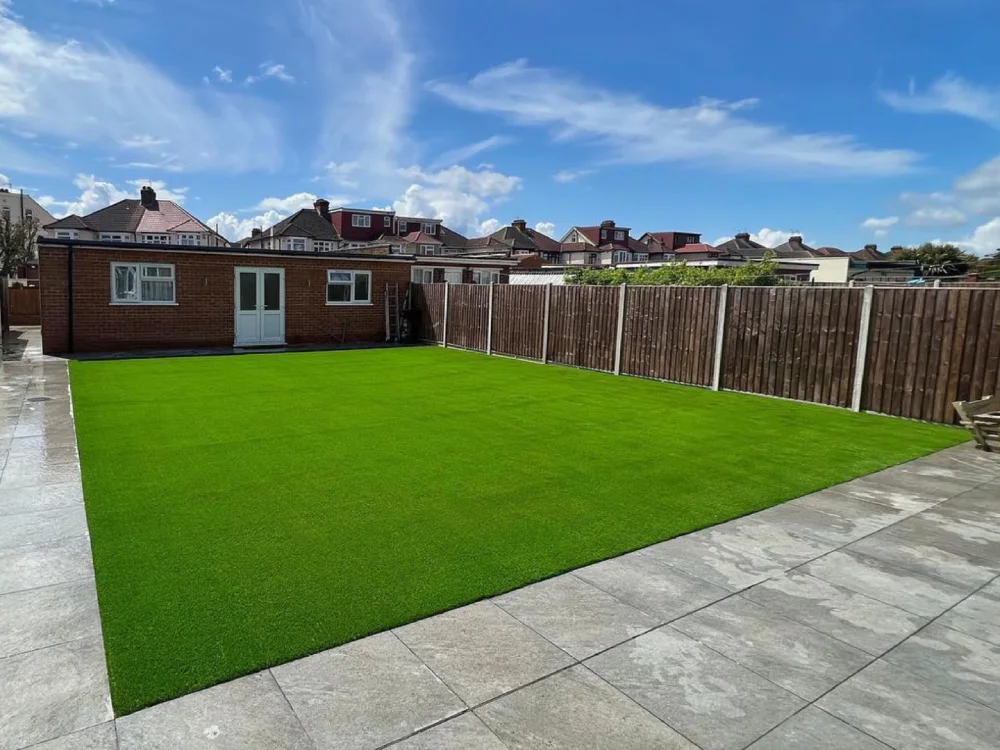
Artificial grass can be a practical option for many front gardens, particularly if you want a green-looking lawn without regular mowing.
It can be used in smaller spaces, larger front lawns and mixed landscaping designs. You can also combine it with paving, decorative gravel and natural planting to create a layout that suits your property.
However, choosing the right product is important. Consider the appearance, texture, pile height and how the lawn will be used before making a decision.
Ground preparation is equally important. A suitable sub-base and properly planned drainage help create a stable foundation for the finished lawn.
If you’re considering artificial grass for your property, our guide on how to choose artificial grass in London explains the main factors worth considering.
You can also read our guide to laying artificial grass to understand the preparation and installation process.
Final Thoughts: Give Your Front Garden a Fresh New Look
Your front garden doesn’t need to be large or complicated to make a good impression. With a little planning, you can create an outdoor space that looks welcoming, complements your property and suits your lifestyle.
Whether you prefer a modern paved entrance, colourful planted borders, a minimalist layout or a neat artificial grass lawn, the best design is one that makes good use of the space you have.
If you’re considering artificial grass for your front garden, Superior Lawn can help you explore suitable options and plan your installation.
We provide artificial grass installation across London, with free surveys to help you discuss your garden and understand what’s involved.
Get in touch with our Superior team to arrange your free survey and start planning your new front garden.
Frequently Asked Questions
What is the best way to improve a front garden?
Start by looking at the layout and identifying what needs improvement. Refreshing the pathway, adding plants, defining garden borders or replacing an untidy lawn can all make a difference. The best changes depend on your available space, property style and budget.
How can I make my small front garden look bigger?
Keep the layout simple and avoid overcrowding the space. Use a clear pathway, compact planters and a limited selection of materials. Vertical planting can also introduce greenery without taking up too much floor space.
What are the best low-maintenance front garden ideas?
Artificial grass, decorative gravel, paving and suitable hardy plants can all help reduce regular garden work. Combining these materials can create an attractive space without relying on a large natural lawn that needs frequent mowing.
Is artificial grass suitable for a front garden?
Yes, artificial grass can be suitable for many front gardens. It provides a green-looking surface throughout the year and can be combined with paving, gravel and natural plants. The product and installation method should be chosen to suit the garden’s size and ground conditions.
How can I make my front garden look modern?
Consider clean paving lines, geometric layouts, neutral colours, simple planting and carefully positioned planters. Combining two or three complementary materials can create a contemporary appearance without making the space feel overcrowded.
What can I put in a front garden instead of grass?
There are several alternatives to a traditional natural lawn, including artificial grass, decorative gravel, paving, stone and planted areas. You can also combine different materials to create a more varied design.
How much does it cost to redesign a front garden in the UK?
The cost depends on the garden’s size, existing condition, materials and installation requirements. Smaller improvements may involve just a few changes, while a complete redesign will require more planning and work. Getting a quotation based on your actual garden is the best way to understand the likely cost.