
Artificial grass looks simple on the surface. Roll it out, fix it down, and you’re done — that’s what most people assume. But the reality is very different.
What sits underneath the turf, how it’s installed, and how well the groundwork is done will decide whether your lawn looks great for years or starts failing within months.
A professionally installed artificial lawn isn’t just about appearance. It’s about proper drainage, a stable base, clean finishes, and long-term durability.
Get those right, and you have a low-maintenance, great-looking space that lasts. Get them wrong, and you’re dealing with uneven surfaces, water pooling, and costly fixes.
That’s why installation matters just as much as the turf itself, if not more.
- So… Is Artificial Grass Truly Safe for Children?
- What Makes Artificial Grass Safe for Children?
- How to Create a Child-Safe Artificial Grass Play Zone
- FAQs: What Every Parent Wants to Know
- Can kids play barefoot on artificial grass?
- Will artificial grass give my child rug burns?
- What if my child spills food or gets sick on the grass?
- Is it safe for babies and toddlers?
- Does artificial grass smell?
- Is it safe under the playground equipment?
- Will it help with allergies?
- Does artificial grass get too hot in summer?
Table of Contents
ToggleIs Professional Artificial Grass Installation Really Necessary?
Short answer: yes, if you want a result that actually lasts.
Artificial grass installation isn’t just laying down a surface. It involves excavation, building a solid sub-base, ensuring proper drainage, and finishing the turf so it looks natural and stays in place.
Each step affects how the lawn performs over time.
DIY can seem appealing, especially for saving money. And for very small areas or temporary setups, it might work. But in most cases, especially for full gardens, rooftops, or high-use spaces, it often leads to problems like poor drainage, uneven ground, or visible joins.
What this really means is simple: artificial grass is only as good as the way it’s installed. If the groundwork isn’t done properly, even the best-quality turf won’t perform the way it should.
The Biggest Problems With DIY Artificial Grass Installation
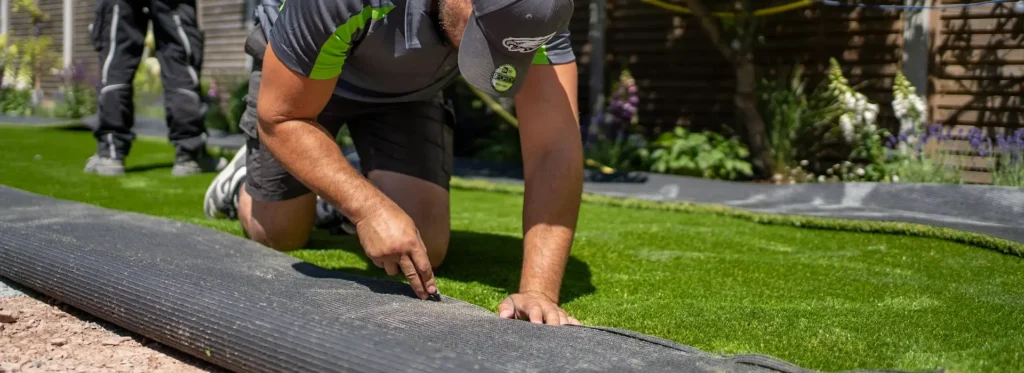
On paper, DIY artificial grass installation looks straightforward. In reality, most of the problems show up after the job is done — especially once the lawn starts getting regular use or heavy rain hits.
Here’s where things usually go wrong:
Poor Drainage Leads to Puddles and Smells
One of the most common issues is bad drainage. Without the right sub-base and gradient, water has nowhere to go. The result? Standing water, soggy patches, and in some cases, unpleasant odours — especially if pets are involved.
A properly installed artificial lawn is designed to drain efficiently, even during heavy UK rainfall. DIY setups often miss that completely.
Uneven Surfaces That Sink or Shift
If the ground isn’t excavated and compacted correctly, the surface won’t stay level. Over time, this leads to dips, bumps, and areas that sink when walked on.
Not only does this ruin the look, but it also creates trip hazards and makes the lawn feel unstable underfoot.
Visible Seams and Poor Finishing
Joining artificial grass isn’t as simple as lining up two edges. Without the right tools and technique, seams become obvious — breaking the natural look of the lawn.
You’ll often see mismatched pile direction, raised edges, or gaps that get worse over time. It’s one of the fastest ways to make artificial turf look artificial.
Weed Growth From Poor Preparation
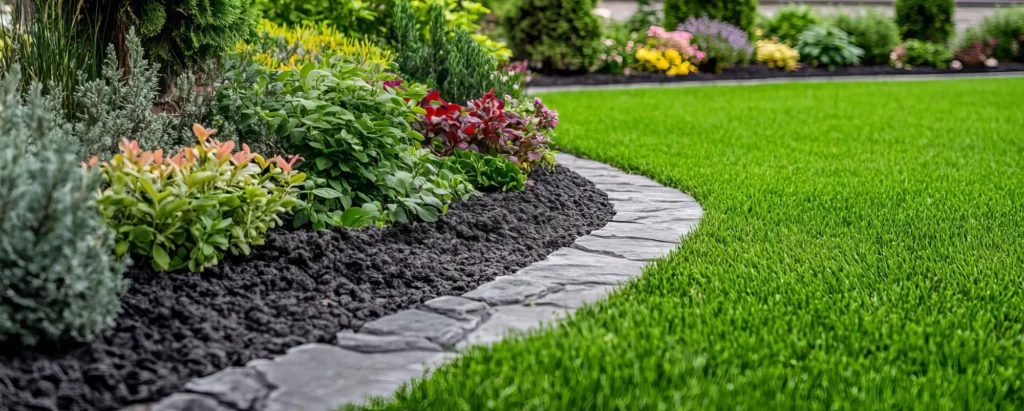
Skipping or incorrectly installing a weed membrane is another common mistake. Over time, weeds can grow through the base or along the edges, especially if the ground hasn’t been properly cleared and treated.
Once that happens, maintenance becomes a constant chore — defeating the whole point of low-maintenance artificial grass.
A Short Lifespan That Leads to Reinstallation
All of these issues add up. What starts as a cost-saving DIY project often turns into a full replacement within a few years.
And here’s the thing — redoing artificial grass installation usually costs more than doing it properly the first time, because you’re paying for removal, disposal, and a complete rebuild of the base.
What this comes down to is simple: most DIY problems aren’t surface-level — they start underneath. And once those foundations fail, the entire lawn follows.
Read in detail: DIY vs Professional Artificial Grass Installation: Which Option Is Right for Your Lawn?
What Professional Installation Actually Involves
This is where the real difference is made. A professional artificial grass installation isn’t just about laying turf — it’s a step-by-step process that focuses on what’s underneath just as much as what you see on top.
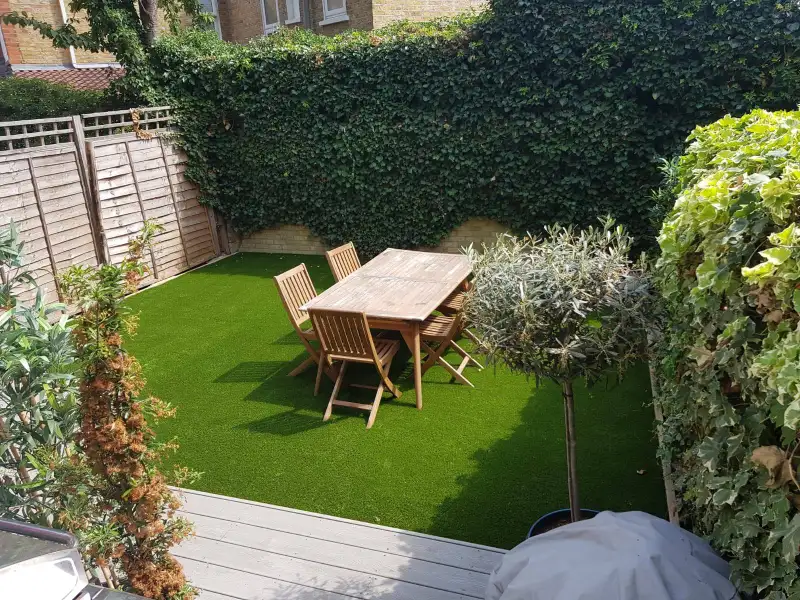
Done right, it creates a lawn that looks natural, drains properly, and holds its shape for years.
Ground Preparation and Base Work
Everything starts with the groundwork. This is the most critical part of the entire installation process.
Professionals begin by removing the existing surface and excavating to the correct depth.
From there, a solid sub-base (typically MOT Type 1 or similar aggregate) is installed in layers and compacted properly. This creates a stable, load-bearing foundation.
Why this matters is simple: if the base isn’t done right, the artificial lawn will shift, sink, or become uneven over time. No matter how high-quality the turf is, it won’t perform without a strong foundation underneath.
Drainage Setup for UK Conditions
In places like London, drainage isn’t optional, it’s essential.
A professional installer will design the base to allow water to pass through efficiently, even during heavy rainfall. This includes using permeable materials and creating a slight gradient so water flows away naturally instead of pooling.
Good drainage prevents waterlogging, keeps the surface usable year-round, and avoids issues like bad odours or damp patches — especially important for pet owners.
Also Read: Why Your Artificial Lawn Isn’t Draining Properly and What To Do About It
Cutting, Joining and Finishing
This is where the installation comes together visually.
Artificial grass is carefully cut and fitted to the space, making sure the pile direction is consistent so the lawn looks natural. Seams are joined using specialist tapes and adhesives to ensure they’re strong and virtually invisible.
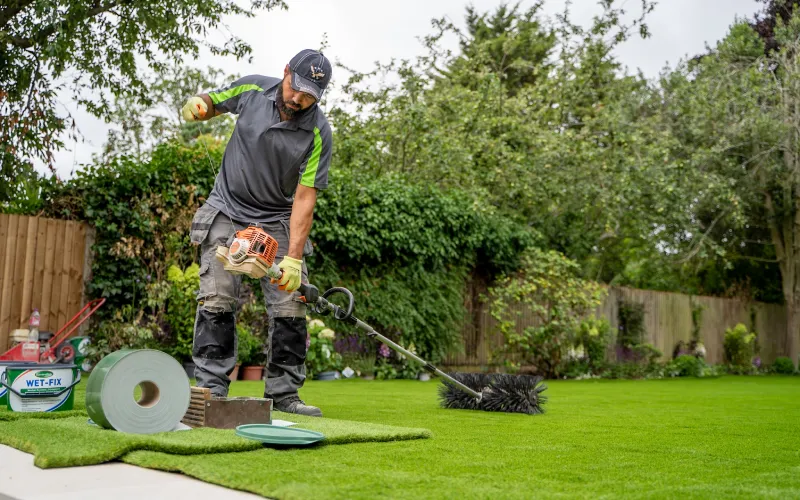
Edges are then secured using appropriate fixing methods to prevent lifting or movement. Finally, the surface is brushed, and infill (such as kiln-dried sand) is applied to help the fibres stand upright and improve durability.
The end result should look clean, even, and natural — not like something that’s been pieced together.
Is Professional Installation Worth the Cost?
This is usually the biggest hesitation. On the surface, professional artificial grass installation feels like a higher upfront expense.
But when you look at how artificial turf performs over time, the numbers tell a different story.
Upfront Cost vs Long-Term Value
DIY installation can look cheaper at first. You save on labour, and it feels like a straightforward project.
But what often gets missed is how long that installation actually lasts.
A professionally installed artificial lawn is built to hold its structure for years — a stable base, proper drainage, and minimal maintenance. A DIY job, on the other hand, often starts showing issues within a short time, leading to repairs or even a full redo.
When you spread the cost over the lifespan of the lawn, professional installation usually works out cheaper per year.
Related Read: How Much Does Artificial Grass Cost in London? 2026 Updated
Avoiding Repairs and Reinstallation
Most DIY installations don’t fail instantly — they fail gradually.
- The surface starts to dip
- Edges begin lifting
- Water collects in certain areas
- Seams become more visible
Fixing these issues isn’t simple. In many cases, the only real solution is to remove the turf, rebuild the base, and install it again properly.
That means paying twice — once for the DIY attempt, and again for the professional fix. This is where the real cost adds up.
Warranties and Peace of Mind
When you hire a professional installer, you’re not just paying for labour — you’re paying for accountability.
Most reputable installers provide:
- Product warranties on the artificial grass
- Workmanship guarantees on the installation
- Clear aftercare guidance
So if something goes wrong, you’re covered.
With DIY, you carry all the risk. If there’s a problem with drainage, levelling, or fitting, it’s entirely on you to fix.
What this really comes down to is simple: professional installation isn’t just a cost — it’s a way to protect your investment and avoid paying more later.
Why London Homeowners Choose Superior Lawn
Choosing the right installer isn’t just about price — it’s about who you trust to get the job right the first time. That’s where Superior Lawn stands out.
Supplier + Installer Advantage
Unlike many companies that only install, we at Superior Lawn handle both the supply and installation of artificial grass. This means better control over quality, consistency in materials, and no disconnect between what’s sold and what’s fitted.
Consistent Quality Control
From the sub-base materials to the final finish, every stage is handled to a high standard. There’s no guesswork, no outsourcing gaps — just a process that’s been refined to deliver reliable, long-lasting results.
Local Experience Across London
Installing artificial grass in London comes with its own challenges — from clay-heavy soil to compact urban gardens. Superior Lawn understands these conditions and adapts each installation accordingly, ensuring proper drainage and a clean, durable finish.
End-to-End Service
Everything is managed in one place — from the initial survey and design advice to installation and aftercare. That means a smoother process, clear communication, and a result that’s built to last.
Book a Free Artificial Grass Installation Survey in London Today
A well-installed artificial lawn isn’t just about how it looks on day one — it’s about how it performs over the years. Getting the foundation right makes all the difference.
If you’re planning an artificial grass project and want clear guidance on the best options for your space, along with professional artificial grass installation, the team at Superior Lawn can help.
Book a free survey to get expert advice, accurate pricing, and a solution tailored to your garden — so you can get it done once, and get it right.
Frequently Asked Questions
How much does it cost to have an artificial lawn installed?
The cost of installing an artificial lawn in the UK typically ranges from £60 to £120 per square metre for a full supply and installation service.
The final price depends on factors like ground preparation, turf quality, and site access. More complex projects or premium grass will increase the cost.
For most homeowners, investing in professional installation helps avoid future repair or replacement costs.
What is the going rate for artificial grass installation?
The average rate for artificial grass installation in London is £70 to £100 per m², including materials and labour.
Lower-cost quotes may exclude proper groundwork, while higher-end services usually include better base preparation, drainage, and finishing.
Always check what’s included, as installation quality has a direct impact on how long the lawn lasts.
Can I just put artificial grass directly on gravel stones?
No, artificial grass should not be laid directly on loose gravel.
A proper base requires compacted layers and a smooth, level surface. Without this, the grass will feel uneven and may shift over time.
For best results, the gravel must be compacted and topped with a fine levelling layer before installation.
How to professionally lay artificial grass
Professional artificial grass installation involves these key steps:
- Excavate and remove the existing surface
- Install and compact a solid sub-base
- Add a level layer (such as sharp sand)
- Lay a weed membrane
- Cut, position, and join the turf
- Secure edges and apply infill
- Brush for a natural finish
Each step ensures proper drainage, stability, and a long-lasting result.
Why does professional artificial grass installation matter?
Professional installation matters because it directly affects the lawn’s durability, drainage, and appearance.
A properly installed artificial lawn will stay level, drain efficiently, and last for years. Poor installation often leads to issues like sinking, water pooling, and visible seams.
In simple terms, the quality of installation determines how well your artificial grass performs over time.