
Artificial grass is a popular choice for families who want a tidy, low-maintenance garden that children can enjoy every day.
It stays green in all seasons, doesn’t get muddy, and provides a soft, comfortable surface for play.
But with regular use, especially by kids, it can pick up dirt, spills, and everyday outdoor mess. Over time, this can affect how clean and hygienic the surface feels if it’s not looked after properly.
The good news is that keeping artificial grass clean doesn’t require much effort. With a few simple habits, you can maintain a fresh, hygienic space that’s safe for children to play on all year round.
- So… Is Artificial Grass Truly Safe for Children?
- What Makes Artificial Grass Safe for Children?
- How to Create a Child-Safe Artificial Grass Play Zone
- FAQs: What Every Parent Wants to Know
- Can kids play barefoot on artificial grass?
- Will artificial grass give my child rug burns?
- What if my child spills food or gets sick on the grass?
- Is it safe for babies and toddlers?
- Does artificial grass smell?
- Is it safe under the playground equipment?
- Will it help with allergies?
- Does artificial grass get too hot in summer?
Table of Contents
ToggleWhy Artificial Grass Hygiene Matters for Children
Children spend a lot of time close to the ground. They sit on the lawn, crawl, lie down while playing games, and often run barefoot in the garden.
Because of this, maintaining a clean artificial lawn is important for several reasons:
- Prevents bacteria buildup
- Reduces unpleasant odours
- Keeps the lawn safe for barefoot play
- Stops debris and mould from developing
- Maintains the overall appearance of the garden
While artificial grass doesn’t grow like natural grass, it can still collect organic material such as leaves, dust, food crumbs, and pet waste residue. Without regular care, these materials can affect hygiene over time.
Fortunately, basic cleaning routines can easily prevent these issues.
Related Read: Artificial Grass for Kids’ Play Areas: How to Create a Safe, Soft Landing Zone
Remove Leaves and Debris Regularly
One of the easiest ways to maintain artificial grass hygiene is by keeping the surface clear of debris.
Leaves, twigs, and dirt naturally fall onto lawns throughout the year. When they remain on artificial grass for long periods, they begin to break down and create organic matter that can trap moisture and bacteria.
Regularly removing debris helps prevent this.
You can clean the lawn using simple tools such as:
- A leaf blower
- A plastic garden rake
- A stiff outdoor broom
- A soft brush designed for artificial grass
In most family gardens, clearing debris once or twice a week is enough to keep the lawn clean and breathable.
Rinse Artificial Grass with Water
Another simple but effective cleaning method is rinsing the grass with water.
Spraying the lawn with a garden hose helps remove dust, pollen, dirt from shoes, and small food particles that may have settled between the fibres.
For households where children frequently play outside, rinsing the lawn every one to two weeks can keep it fresh and hygienic.
You may want to rinse more often if:
- Children regularly eat snacks in the garden
- The lawn receives heavy foot traffic
- The weather has been particularly dry and dusty
Water easily washes away loose particles without damaging the fibres.
Related Read: What Happens to Artificial Grass in Heavy Rain? A Clear, Practical Guide
Clean Food and Drink Spills Immediately
When children play outdoors, food and drinks often end up on the lawn. Juice, ice cream, sauces, and other sticky spills can attract insects or leave residue if they aren’t cleaned quickly.
Fortunately, artificial grass is stain-resistant, so most spills can be cleaned easily.
For quick spill cleanup:
- Blot the spill using paper towels or a cloth
- Rinse the area with warm water
- Use a mild soap if necessary
- Rinse again to remove any remaining soap
Prompt cleaning prevents sticky residue and keeps the lawn hygienic for continued play.
Disinfect the Grass Occasionally
Even if the lawn appears clean, occasional disinfection helps eliminate bacteria and maintain hygiene for children.
This is especially important in households where pets share the garden with kids.
You can disinfect artificial grass using:
- Diluted white vinegar mixed with water
- Specialised artificial grass cleaning products
- Mild antibacterial outdoor sprays
Apply the solution lightly across the surface and rinse with water afterwards.
For most households, disinfecting the lawn once every month or two is sufficient.
Clean Up Pet Waste Immediately
Many family homes have both children and pets using the same garden space. Quick pet waste cleanup is essential for maintaining hygiene.
Solid waste should always be removed as soon as possible, just as you would with a natural lawn.
After removing waste:
- Rinse the affected area with water
- Apply a mild disinfectant if needed
Artificial grass typically has drainage holes in the backing layer, allowing liquids such as pet urine to drain away. However, rinsing the area prevents odours from developing.
Also Read: Why Your Artificial Lawn Isn’t Draining Properly and What To Do About It
Brush the Grass to Maintain Its Structure
Heavy foot traffic from children playing games, running around, or using outdoor toys can gradually flatten artificial grass fibres.
When fibres become compacted, dirt can collect more easily and drainage may become less effective.
Brushing the grass helps:
- Restore the upright position of the fibres
- Improve drainage
- Remove trapped debris
- Maintain the natural look of the lawn
Use a stiff broom or a brush designed specifically for artificial turf and brush against the direction of the fibres.
For family gardens, brushing every few weeks is usually enough.

Keep Outdoor Toys and Play Equipment Clean
Maintaining lawn hygiene isn’t only about the grass itself.
Children often leave toys, balls, ride-on cars, paddling pools, and play mats on the lawn. These items can transfer dirt, bacteria, or food residue back onto the surface.
Simple habits can help maintain cleanliness:
- Wipe outdoor toys regularly
- Store toys when not in use
- Clean paddling pools before placing them on the grass
- Avoid leaving food containers outdoors
Keeping toys clean helps reduce contamination on the lawn.
Prevent Standing Water
Artificial grass is designed with a drainage system that allows rainwater to pass through the backing layer.
However, if drainage becomes blocked by debris or compacted fibres, water can begin to collect on the surface.
Standing water can encourage mould or algae growth, which may affect hygiene.
To prevent this:
- Remove debris frequently
- Brush compacted areas
- Ensure drainage layers remain clear
Proper drainage keeps the lawn dry, clean, and safe for children.
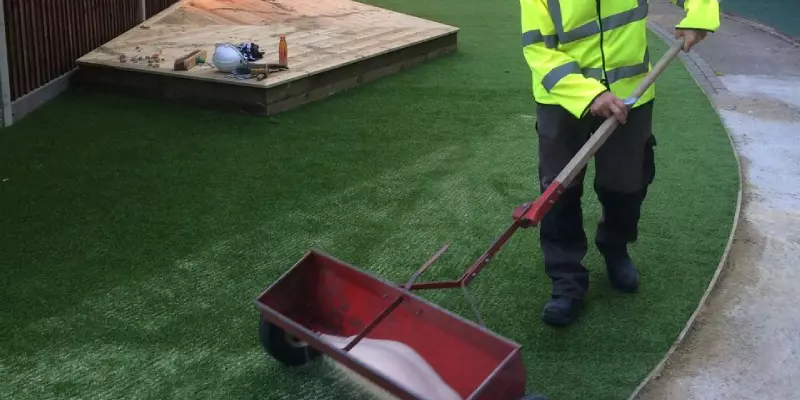
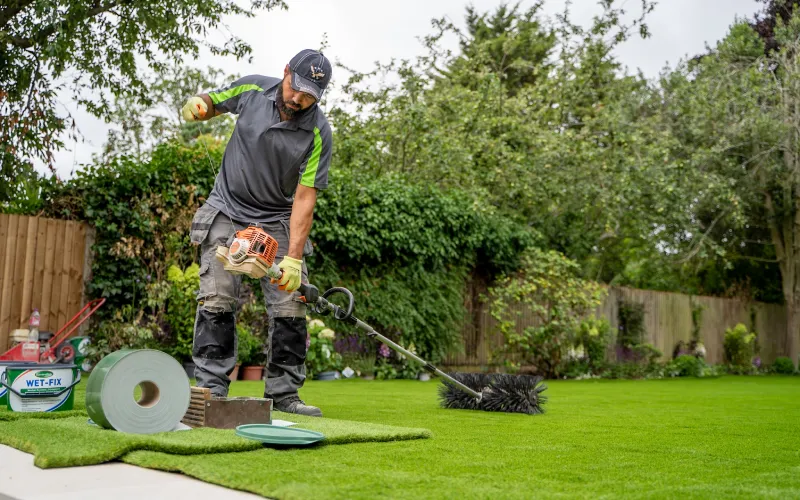
Perform a Deep Clean Once or Twice a Year
Although routine cleaning keeps the lawn in good condition, artificial grass benefits from occasional deep cleaning.
A deep clean typically involves:
- Power brushing the turf fibres
- Applying a specialised artificial grass cleaner
- Thorough rinsing to remove embedded dirt
Some homeowners prefer to perform this maintenance themselves, while others choose professional artificial grass cleaning services.
Deep cleaning refreshes the lawn and ensures long-term hygiene.
Encourage Simple Garden Hygiene Habits
Children can also help maintain a clean outdoor play space.
Encouraging a few simple habits can reduce the amount of dirt and bacteria transferred onto the lawn:
- Wash your hands after outdoor play
- Avoid dropping food on the grass
- Remove very muddy shoes before playing
- Keep rubbish and wrappers off the lawn
These small habits make a noticeable difference over time.
Also Read: How Long Does Artificial Grass Actually Last? What Affects Its Lifespan
Is Artificial Grass Safe for Children?
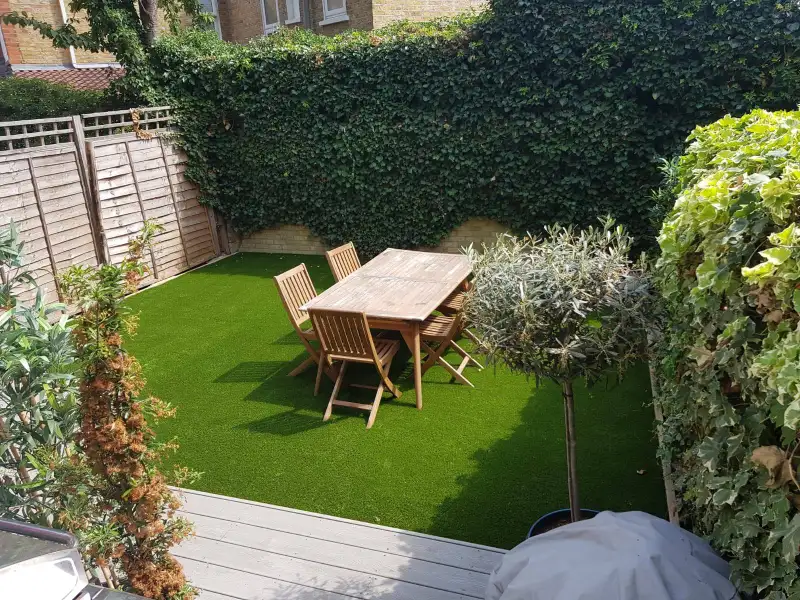
When installed correctly and maintained properly, artificial grass is considered a safe and hygienic option for family gardens.
Modern artificial turf is designed to be:
- Non-toxic
- Durable under heavy play
- Soft underfoot
- Easy to clean
Because it doesn’t create mud patches or require pesticides like natural grass sometimes does, many parents find artificial lawns easier to manage for children’s play areas.
Final Thoughts
Artificial grass offers families a low-maintenance, attractive lawn that children can enjoy all year round. With simple cleaning habits such as removing debris, rinsing the surface, brushing fibres, and occasionally disinfecting the lawn, it’s easy to keep the area hygienic.
Regular care ensures the lawn remains fresh, safe, and comfortable for children to play on every day.
If you’re considering installing artificial grass or want expert advice on maintaining your lawn, we at Superior Lawn can help you choose the best solution for your garden and family needs.
Frequently Asked Questions
How often should you clean artificial grass for children?
For family gardens, light cleaning such as removing debris should be done once or twice a week. Rinsing the grass every 1–2 weeks and disinfecting it monthly helps maintain proper hygiene, especially if children use the lawn daily.
What is the best way to disinfect artificial grass safely?
A simple and safe method is using a diluted white vinegar and water solution or a specialised artificial grass cleaner. These options help kill bacteria without damaging the turf or exposing children to harsh chemicals.
Can artificial grass harbour bacteria or germs?
Yes, like any outdoor surface, artificial grass can collect bacteria from dirt, food spills, or pet waste. However, with regular cleaning, rinsing, and occasional disinfection, it remains a hygienic and safe surface for children.
Is artificial grass safe for kids to play on every day?
Yes, modern artificial grass is designed to be non-toxic, soft, and durable. When properly installed and maintained, it provides a safe, mud-free, and low-maintenance play area for children year-round.