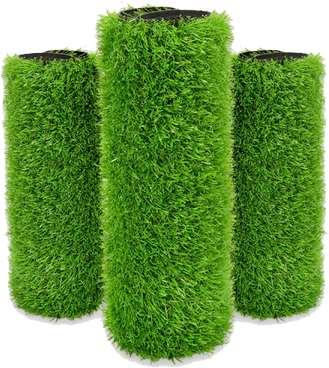

Heavy rain is one of the most common concerns people have before installing artificial grass.
Will it flood? Will water sit on the surface? Will it smell or feel unstable underfoot?
These are reasonable questions, especially in the UK, where prolonged rainfall and saturated ground are normal rather than exceptional.
The short answer is this:
Artificial grass is designed to handle heavy rain well. Water drains through it rather than soaking in.
But when problems appear, they’re almost always caused by poor groundwork or drainage beneath the surface, not the grass itself.
In this guide, you’ll learn how artificial grass behaves during heavy rain, what works well, what can go wrong, and why installation quality makes all the difference.
- So… Is Artificial Grass Truly Safe for Children?
- What Makes Artificial Grass Safe for Children?
- How to Create a Child-Safe Artificial Grass Play Zone
- FAQs: What Every Parent Wants to Know
- Can kids play barefoot on artificial grass?
- Will artificial grass give my child rug burns?
- What if my child spills food or gets sick on the grass?
- Is it safe for babies and toddlers?
- Does artificial grass smell?
- Is it safe under the playground equipment?
- Will it help with allergies?
- Does artificial grass get too hot in summer?
Table of Contents
ToggleHow Artificial Grass Is Designed to Handle Heavy Rain
Artificial grass does not absorb water.
Instead, rainwater passes through the surface and into the ground below.
Each roll of artificial grass is manufactured with drainage holes in the backing. These allow water to move downwards rather than collecting on the surface. In normal conditions, rainfall drains through quickly and evenly.
What really determines performance, however, is the sub-base beneath the grass.
A properly constructed sub-base uses compacted, free-draining materials such as crushed stone or MOT Type 1. This layer creates space for water to disperse and move away from the surface instead of becoming trapped.
When the base is built correctly, water doesn’t sit on the grass, even during prolonged rain. This is why artificial lawns often remain usable when natural grass becomes muddy or waterlogged.
Installers who work regularly in wet climates, such as at Superior Lawn, we, as leading installers across London, plan base depth and drainage with heavy rainfall in mind rather than relying on generic installation methods.
Latest Read: Best Artificial Grass Installer in London: What to Look For Before Hiring
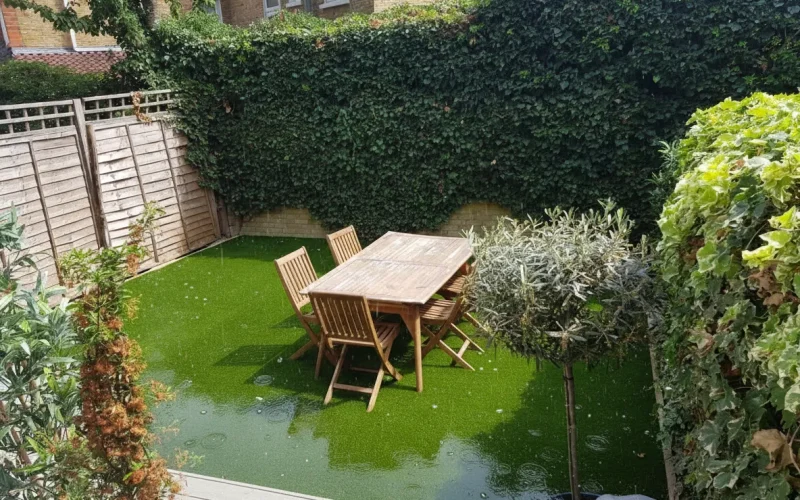
Does Artificial Grass Flood During Prolonged or Extreme Rain?
In most situations, artificial grass does not flood.
But it’s important to understand the difference between temporary surface pooling and actual flooding.
Surface pooling can occur during very heavy downpours when rain falls faster than the ground beneath can absorb it.
In these cases, small amounts of water may sit on the surface briefly. Once rainfall eases, this water usually drains away on its own.
Flooding happens when the ground below is already saturated and has nowhere left for water to go. When this occurs, artificial grass isn’t the cause. It simply makes an existing drainage problem visible.
Natural lawns often hide these issues by absorbing water into the soil, creating mud instead. Artificial grass allows water to pass through immediately, which makes underlying drainage limitations easier to spot.
What Happens If Your Garden Has Poor Drainage?
Poor drainage is common, particularly in gardens with clay-heavy soil, compacted ground, or areas that naturally retain water.
Clay soil absorbs water slowly and holds moisture for long periods once saturated. If artificial grass is installed without addressing this, heavy rain can overwhelm the ground beneath the lawn.
When drainage isn’t planned properly, performance in heavy rain can suffer. Water may take longer to disperse, and the surface may feel softer underfoot after rainfall.
The solution isn’t the grass itself. It’s the groundwork.
Deeper sub-bases create more space for water to move and spread. Permeable membranes help keep soil out of the drainage layer while still allowing water through.
In gardens with persistent water issues, additional drainage solutions such as channels or soakaways may be needed.
When poor drainage is identified and dealt with before installation, artificial grass performs reliably even in difficult conditions.
Related Read: Why Your Artificial Lawn Isn’t Draining Properly and What To Do About It
Can Heavy Rain Damage Artificial Grass or Wash Away Infill?
Rain does not damage artificial grass fibres.
The materials are designed to withstand constant exposure to moisture without breaking down or deteriorating.
Infill materials also remain stable when installed correctly. Heavy rain does not normally wash infill away because it sits between the fibres and is supported by the compacted base beneath.
Issues such as movement, lifting edges, or uneven areas are almost always linked to installation quality rather than weather.
Common causes include insufficient fixings, shallow base construction, or weak edging support.
When the grass is secured properly and the base is built to the right depth, heavy rain has little impact on the structure or appearance of the lawn.
How Long Does Artificial Grass Take to Dry After Heavy Rain?
Artificial grass typically dries faster than natural grass because water doesn’t soak into the surface.
After light rain, the lawn is often usable almost immediately.
After heavy rainfall, drying time depends on airflow, temperature, and shade.
Open areas with good airflow tend to dry quickly once the rain stops. Enclosed or shaded spaces may take longer, but even then, artificial grass usually dries faster than natural lawns, which retain moisture in the soil.
Natural grass often remains muddy or soft for days after heavy rain. Artificial grass avoids this by allowing water to drain away rather than holding it at the surface level.
Also Read: How Long Does Artificial Grass Actually Last? What Affects Its Lifespan
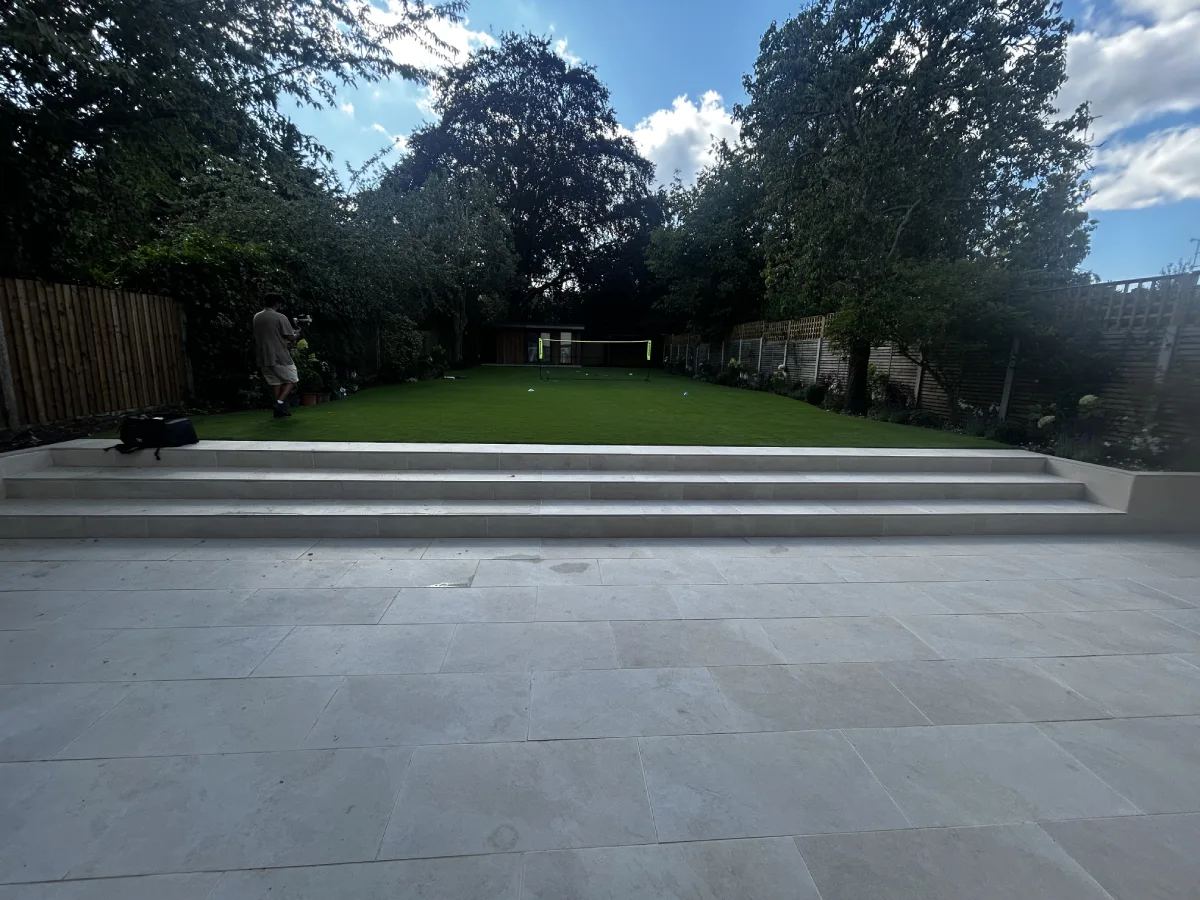
Does Artificial Grass Smell or Grow Mould After Heavy Rain?
Artificial grass itself does not smell after rain. In most cases, rainfall helps rinse away dust and refresh the surface.
Smells or mould only become an issue when moisture is trapped beneath the grass for extended periods. This typically happens when drainage is poor or airflow is limited.
Pet areas require extra attention. Rain alone does not break down pet residue, so without proper drainage and occasional cleaning, odours can develop over time.
Good drainage, adequate airflow, and basic maintenance prevent these issues. When water can move freely away from the surface, moisture doesn’t linger long enough to cause problems.
Common Problems People Blame on Rain (But Are Really Installation Issues)
Heavy rain often exposes weaknesses that were already present.
Persistent puddles usually indicate poor drainage beneath the lawn.
A soft or spongy feel often points to insufficient base depth or inadequate compaction.
Rippling, lifting edges, or slow drainage months after installation suggest weak fixings or edging.
Rain doesn’t create these problems. It reveals them.
A well-installed artificial lawn should behave consistently in both dry and wet conditions. When performance changes dramatically after rain, the cause is almost always beneath the surface.
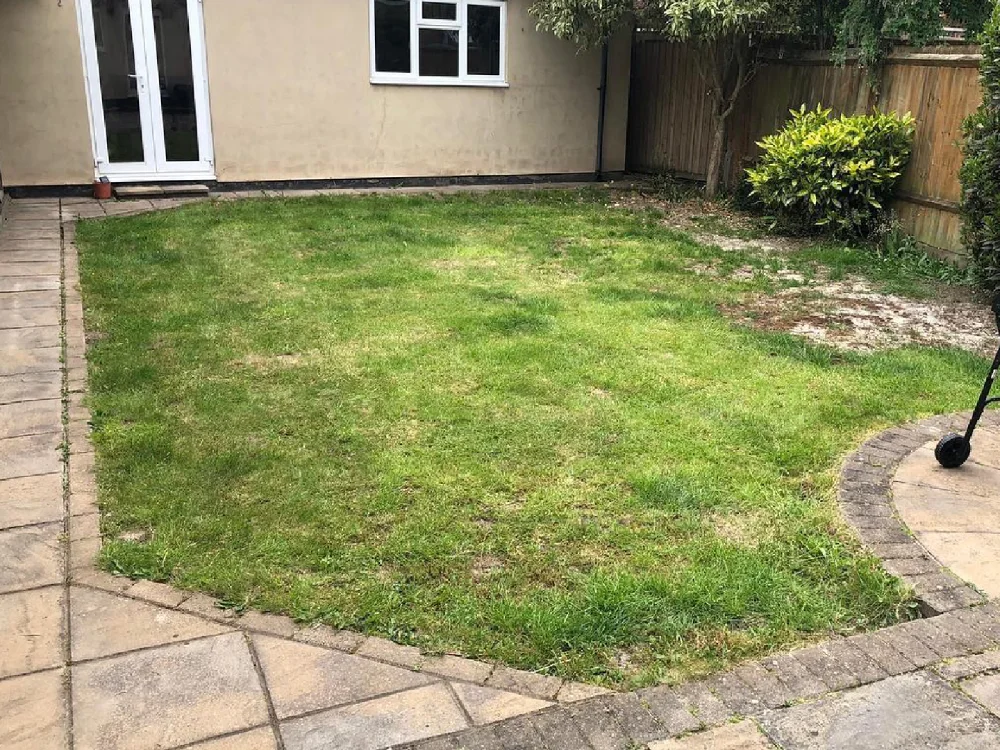
Artificial Grass vs Natural Grass in Heavy Rain
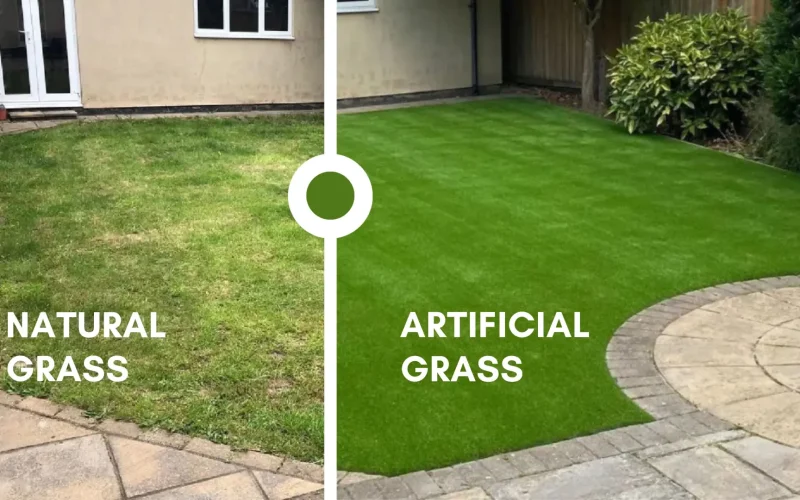
Artificial grass and natural grass behave very differently in wet weather.
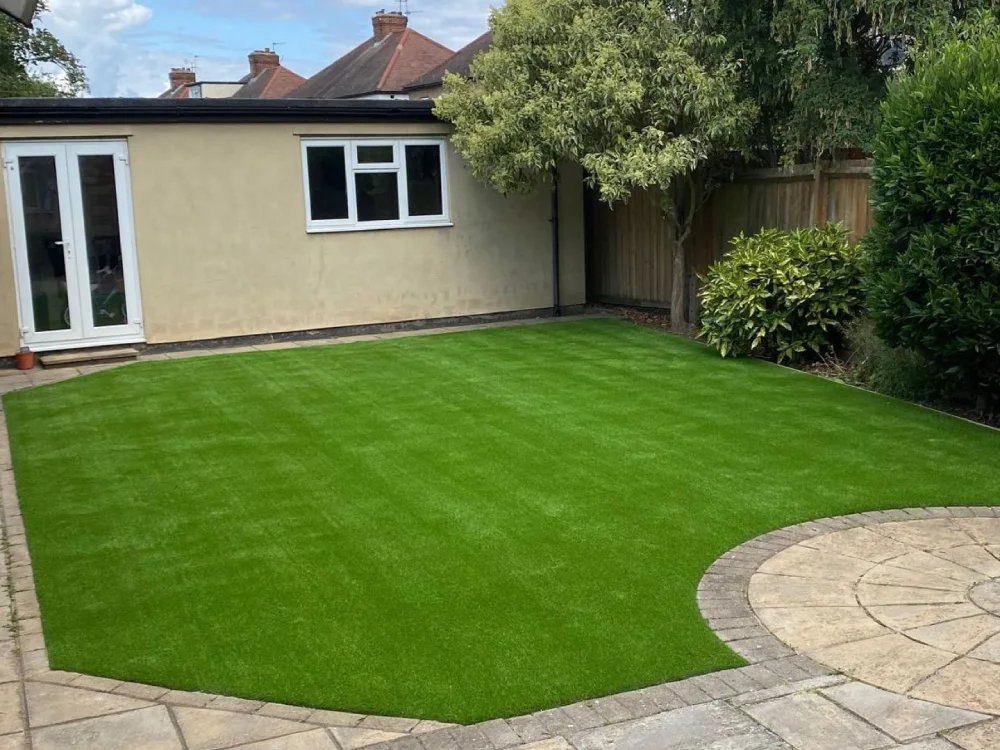
Artificial grass remains firm and usable shortly after rainfall. There’s no mud, no bare patches, and no need to wait for the ground to recover.
Natural grass absorbs water into the soil. During heavy rain, this leads to soft ground, surface damage, and muddy areas that can take days to dry.
Maintenance also differs. Natural lawns often need reseeding, aeration, and repair after wet weather. Artificial grass requires minimal upkeep beyond occasional brushing and debris removal.
Also Read: Artificial Grass vs Real Grass: Which Is Better in 2026?
How to Make Sure Artificial Grass Performs Well in Heavy Rain
Good performance in heavy rain starts with proper planning.
Ground preparation is essential. Existing soil conditions should be assessed properly, especially in gardens prone to water retention.
Sub-base depth and material choice determine how effectively water drains away. Shallow or poorly compacted bases are one of the most common causes of drainage problems.
Fixings and edging provide long-term stability. Without secure edges, movement becomes more likely as ground pressure changes during wet conditions.
Ongoing maintenance is simple but important. Clearing leaves and debris helps water drain freely, particularly during autumn and winter.
Must Read: The Complete Guide to Artificial Lawn Installation: Cost, Process & More
Conclusion
Artificial grass handles heavy rain well when it’s installed correctly.
It drains efficiently, stays usable during wet weather, and avoids the mud and surface damage associated with natural lawns. When problems occur, they’re almost always linked to drainage and groundwork decisions made during installation.
Artificial grass is a strong choice for gardens, play areas, and high-use spaces in rainy climates, provided the base is built properly and suited to the ground conditions.
Correct installation isn’t just important. It’s the deciding factor.
Enjoy a Garden That Works in Heavy Rain, Year After Year
Artificial grass performs well in wet weather only when it’s planned and installed properly from the start.
At Superior Lawn, the focus goes beyond supplying turf.
Our installation begins with understanding how the space is used and how water moves through the ground beneath it.
Gardens, pet areas, balconies, and high-traffic spaces all place different demands on drainage and base construction, and those early decisions determine how the lawn performs over time.
We provide professional artificial grass installation across London, with careful attention given to groundwork, drainage design, and long-term stability rather than short-term fixes.
If you want clear, practical advice before making a decision, get a free site survey where our team of experts will assess the area properly and help avoid costly mistakes later.
Frequently Asked Questions
Can artificial grass flood in extreme rain?
Flooding is rare and usually linked to underlying drainage issues. Artificial grass allows water through, but cannot compensate for saturated ground beneath. If water sits for longer than expected, it’s often a sign that the base needs improving or additional drainage is required.
Is artificial grass safe to walk on when wet?
Yes. The surface remains stable and slip-resistant, often safer than wet paving or decking. If it feels slippery, it’s usually due to algae, debris, or pooling water caused by poor drainage rather than the grass itself.
Will rain shorten the lifespan of artificial grass?
No. Artificial grass is designed for constant exposure to moisture and does not degrade due to rainfall. The lifespan depends more on usage, base quality, and installation standards than on the weather.
How do you improve drainage after installation?
Clearing debris helps. Persistent issues may require adjustments to the base or additional drainage solutions beneath the surface. If problems continue, it usually means the sub-base or grading wasn’t built correctly and needs reassessment.