
Artificial grass is meant to simplify things, with less upkeep, no mud, and a lawn that stays green year-round. But when the quality is off or the installation isn’t done right, the problems show up quicker than expected.
Sometimes it’s obvious. Other times, it starts small. What looks clean and even on day one can begin to flatten, shift, or hold water within weeks.
That’s why it helps to know what to look for early on — not just in how the grass looks, but how it feels and performs over time.
- So… Is Artificial Grass Truly Safe for Children?
- What Makes Artificial Grass Safe for Children?
- How to Create a Child-Safe Artificial Grass Play Zone
- FAQs: What Every Parent Wants to Know
- Can kids play barefoot on artificial grass?
- Will artificial grass give my child rug burns?
- What if my child spills food or gets sick on the grass?
- Is it safe for babies and toddlers?
- Does artificial grass smell?
- Is it safe under the playground equipment?
- Will it help with allergies?
- Does artificial grass get too hot in summer?
Table of Contents
ToggleNot Sure If Your Artificial Grass Is Good Quality?
If you’re unsure, you don’t need to guess. Most low-quality artificial grass shows clear signs early on; you just need to know where to look.
Start with a quick check:
-
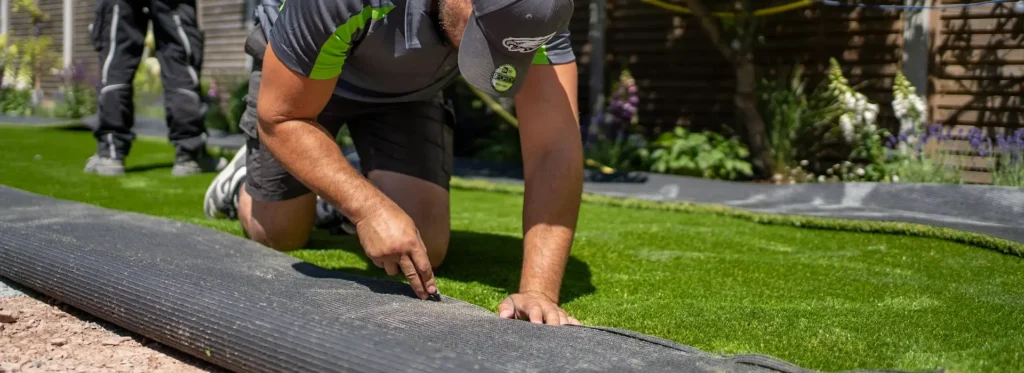
Step back and look at it
It should look even, full, and natural. Watch for shine, patchiness, or visible lines. -
Walk across the surface
It should feel firm, not soft or spongy. A spongy feel often means a poor base underneath. -
Press the fibres with your hand
Good artificial grass bounces back quickly. If it stays flat or feels stiff, that’s a red flag. -
Check the density
Spread the fibres slightly. If you can easily see the backing, it’s too sparse to last. -
Inspect the backing
It should feel strong and tightly stitched — not thin or loose.
Also, keep an eye out for early warning signs most people ignore:
- slight fading
- small ripples
- gaps forming near edges
These might seem minor, but they usually point to bigger issues.
Bottom line? If it looks off, feels wrong, or doesn’t recover properly, it’s likely not good quality artificial grass.
Must Read: How Much Does Artificial Grass Cost in London? 2026 Updated
Common Signs of Poor Quality Artificial Grass
Poor quality artificial grass doesn’t just look bad over time, it gives itself away early. The fibres lose their shape, the colour starts to shift, and the whole surface begins to feel less natural.
Here are the signs that usually show up first.
Looks Flat or Matted Down Quickly
One of the earliest issues is loss of shape.
Artificial grass should be able to handle regular use and still bounce back.
If it starts looking flat or crushed within a short time, especially in areas where people walk or sit, the fibres simply aren’t strong enough. Instead of recovering, they stay pressed down — and that worn look only gets worse with time.
Feels Rough or Plastic-Like
Texture matters more than people expect. Artificial grass shouldn’t feel harsh under your hand or uncomfortable to walk on.
If it feels stiff, scratchy, or overly plastic, it usually means lower-grade fibres were used. Better quality grass feels softer and more flexible, which makes a big difference in how natural it comes across.
Fades or Discolours in Sunlight
Sunlight is where poor materials start to show. If the grass begins to fade, lose its richness, or develop uneven colour patches, it likely lacks proper UV protection.
Good artificial grass holds its colour for years. Low-quality versions can turn dull, pale, or slightly yellow much sooner than expected.
Recommended Read: How to Choose the Best Artificial Grass for Your Garden or Home
Thin, Sparse or Patchy Appearance
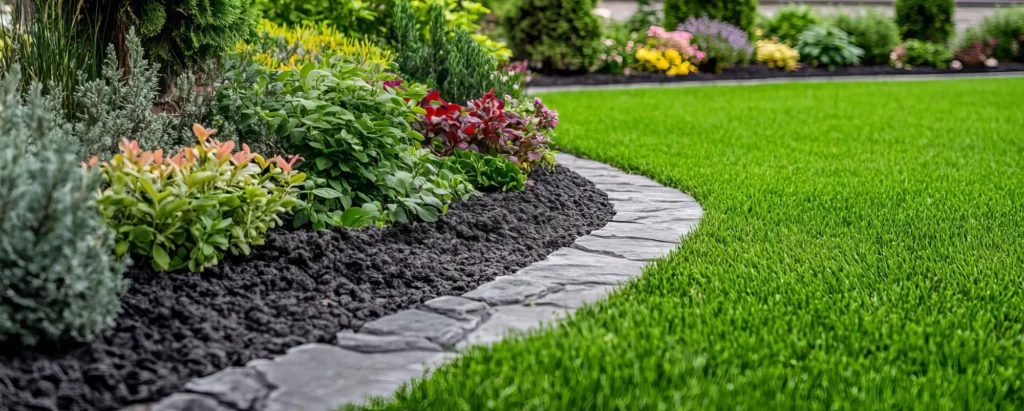
A full, dense look is what makes artificial grass convincing. If it appears thin or you can easily see the backing through the fibres, it’s not built for durability.
Sparse grass tends to wear out faster, especially in high-traffic areas, and starts looking patchy long before it should.
Excessive Shedding (Yarn Loss)
A small amount of fibre loss right after installation is normal. But it shouldn’t continue.
If you keep noticing loose fibres on the surface or around the edges, it means the grass isn’t properly constructed. Over time, this leads to visible thinning and uneven areas.
Strong Chemical or Plastic Smell
This one often gets ignored, but it shouldn’t. A strong chemical or plastic smell, especially in warm weather, usually points to low-grade materials.
Better quality artificial grass is made with safer, more stable components and doesn’t carry that lingering odour. If the smell sticks around, it’s a sign the product itself isn’t up to standard.
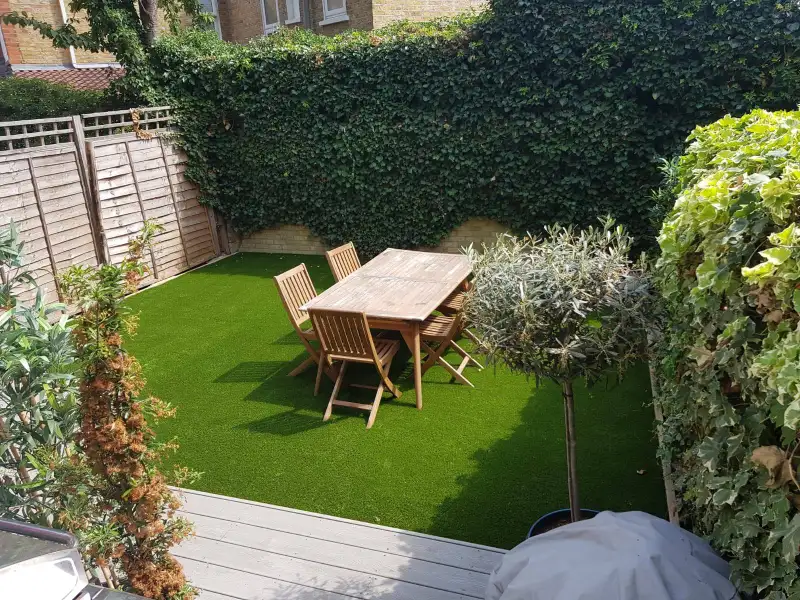
How to Tell If Artificial Grass Has Been Installed Badly
Even good-quality artificial grass can fail if the installation isn’t done right. In fact, most artificial grass problems come down to poor groundwork, not just the product itself.
The good news is that a bad installation leaves visible clues.
Here’s what to look for:
Uneven or Bumpy Surface
Your lawn should feel smooth and level when you walk across it. If you notice bumps, dips, or an uneven finish, the base underneath hasn’t been prepared properly.
This usually means poor compaction or an uneven sub-base — and it won’t fix itself over time.
Grass Sinking or Moving Underfoot
Artificial grass should feel solid. If it shifts, dips, or feels like it’s moving beneath your feet, that’s a clear sign of a weak foundation.
This often leads to sinking areas, especially in spots with regular foot traffic.
Hidden Costs of DIY Installation
DIY is not always as cost-effective as it appears once everything is considered. Common hidden costs include:
- Tool hire for equipment you don’t already own
- Material wastage due to inaccurate cutting or fitting
- Time spent learning techniques and correcting errors
- Potential rework if the installation isn’t done properly the first time
These factors can quickly add up and reduce the savings you initially expected.
When Hiring Professionals Is the Better Option
For larger, more complex, or high-traffic areas, hiring professionals can often be the better investment. Experienced fake grass installers can complete the work efficiently, ensure proper groundwork and drainage, and deliver a higher-quality finish.
This reduces the risk of problems later on and can save money in the long run by avoiding costly repairs or adjustments.
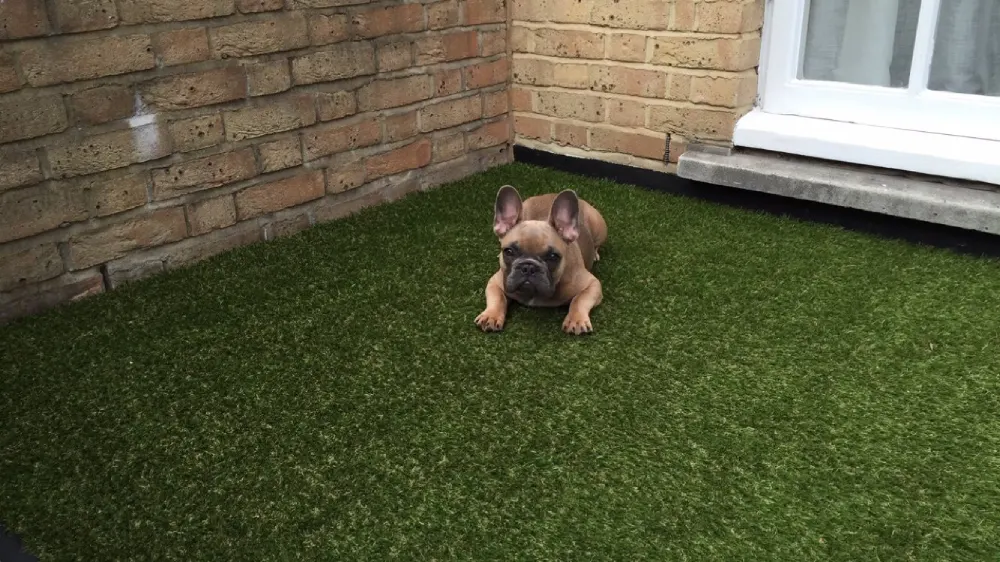
How to Check Artificial Grass Quality Before Buying
Before you commit, a few simple checks can save you time, money, and headaches later.
Here’s what to focus on:
Check Pile Height and Density
Taller, denser fibres feel more natural and last longer. Sparse or short piles flatten quickly and look fake in high-traffic areas.
Inspect the Backing Material
The backing is what holds everything together. Look for a strong, well-stitched base. Flimsy or thin backing usually leads to shedding and tears.
Test the Fibres (Recovery Test)
Press down on the fibres with your hand. They should spring back quickly. If they stay flat or bend permanently, the fibres are too weak.
Look for UV Protection
Sunlight fades poor-quality grass fast. Make sure the product has UV stabilisation so it stays vibrant over time.
Ask About Warranty and Certifications
A credible supplier should offer a warranty and proof that the turf meets safety and material standards. These are good indicators of quality and longevity.

Questions to Ask Before Hiring an Installer
Even the best artificial grass can fail if installed incorrectly.
Ask these questions to avoid problems:
-
What base preparation do you use?
A solid, compacted sub-base is critical for stability and drainage. -
How do you handle drainage?
Proper drainage prevents puddles, odours, and a spongy lawn. -
Do you use joining tape or glue?
Quality joins make the seams invisible and durable. Poor joints are often the first thing to fail. -
Can I see previous work/photos?
Seeing examples gives you a clear sense of workmanship and attention to detail.
Quick Checklist: Spotting Bad Artificial Grass in 60 Seconds
You don’t need a degree to tell if your artificial grass isn’t right.
In just a minute, check for these red flags:
- Looks flat or shiny – Artificial grass should look natural, not overly uniform or glossy.
- Feels rough – Fibres should be soft and springy, not stiff or plastic-like.
- Visible joins – Seams should blend in; noticeable lines are a sign of poor installation.
- Water pooling – Standing water means drainage issues that will worsen over time.
- Edge lifting – Edges should stay firmly in place; curling indicates weak installation.
Use this as a quick scan anytime — it often reveals bigger issues before they become expensive problems.
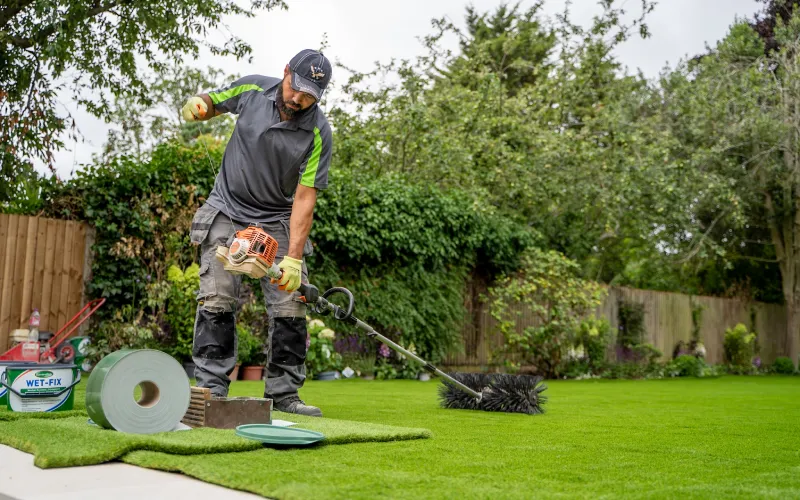
Final Thoughts: How to Avoid Costly Mistakes
Trying to save money on artificial grass can backfire. Low-quality turf or poor installation shortens your lawn’s lifespan and leads to ongoing issues.
Long-term value comes from quality materials, a well-prepared base, secure joins, and proper drainage. Choosing a trusted installer avoids these common pitfalls.
At Superior Lawn, we ensure you get premium quality turf in London that looks natural, feels great, and lasts for years.
With a free survey visit and a clear, tailored quote, you know exactly what you’re getting, no shortcuts, just a lawn you can enjoy.
Frequently Asked Questions
Why does my artificial grass look fake?
It could be due to low fibre density, thin or stiff fibres, or poor colour quality. Choosing higher-density, UV-protected turf usually fixes this.
Should artificial grass drain water instantly?
Not instantly, but it should drain within a few minutes. Persistent puddles signal issues with the sub-base or drainage system.
Is shedding normal in artificial grass?
Some shedding happens initially after installation, but it should stop quickly. Ongoing yarn loss means the fibres aren’t secured properly.
Why is my artificial grass uneven?
Uneven grass usually points to poor sub-base preparation or improper installation. Small dips or bumps can worsen over time if left uncorrected.
What is the best type of artificial grass to buy?
Look for turf with dense, flexible fibres, UV protection, and a strong backing. Always check warranties and certifications to ensure long-term quality.