
Artificial grass has become an increasingly popular option for homeowners across London looking for a tidy, low-maintenance garden that stays green all year round.
It offers a clean, practical solution for busy households, especially where maintaining natural grass can be time-consuming or inconsistent.
While the upfront cost can seem higher than laying natural turf, there are several smart ways to manage your budget without cutting corners on quality. The key is knowing where your money goes and making the right decisions early on.
By planning carefully, choosing suitable materials, and avoiding common mistakes, you can significantly reduce installation costs while still achieving a durable and natural-looking lawn that lasts for years.
- So… Is Artificial Grass Truly Safe for Children?
- What Makes Artificial Grass Safe for Children?
- How to Create a Child-Safe Artificial Grass Play Zone
- FAQs: What Every Parent Wants to Know
- Can kids play barefoot on artificial grass?
- Will artificial grass give my child rug burns?
- What if my child spills food or gets sick on the grass?
- Is it safe for babies and toddlers?
- Does artificial grass smell?
- Is it safe under the playground equipment?
- Will it help with allergies?
- Does artificial grass get too hot in summer?
Table of Contents
ToggleWhat Affects the Cost of Artificial Grass Installation?
Before looking at ways to reduce costs, it’s important to understand what actually influences the price of an artificial grass installation.
Many homeowners focus only on the cost of the turf itself, but in reality, several other factors play a significant role in the final total.
Having a clear picture of these elements makes it much easier to spot where you can save money without affecting the overall quality of the finish.
Key Factors That Influence Pricing
Several factors contribute to the overall cost:
-
Turf quality:
Higher-quality grass with greater density and more realistic fibres will cost more upfront, but it usually lasts longer and looks better over time. -
Ground preparation:
Removing existing grass, levelling the area, and installing a proper sub-base can significantly impact both labour and material costs. -
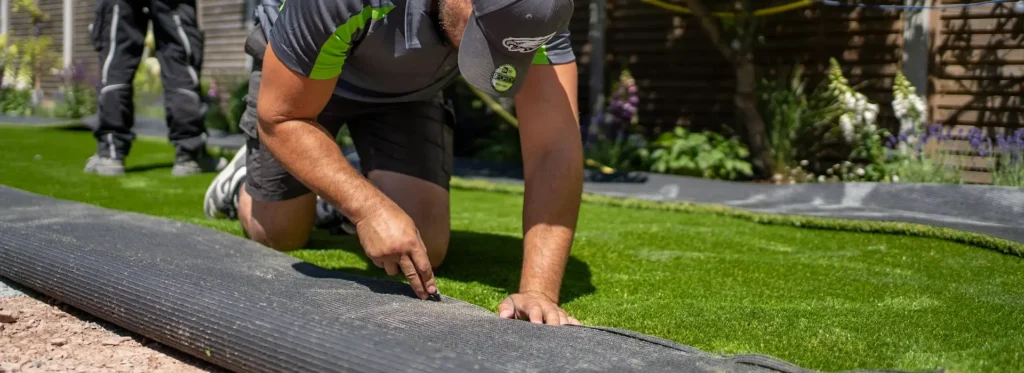
Labour vs DIY:
Hiring professionals increases the initial cost, but it can save time and reduce the risk of mistakes that may be expensive to fix later. -
Garden size and access:
Larger areas require more materials, while limited access can increase labour time and complexity.
Understanding these factors helps you make informed decisions and identify where it makes sense to reduce costs without compromising the end result.
Related Read: How Much Does Artificial Grass Cost in London? 2026 Updated
Smart Ways to Save Money on Artificial Grass
There are several practical ways to reduce the cost of artificial grass installation without affecting the final result. The key is making informed choices at each stage rather than simply choosing the cheapest option available.
Plan Properly Before Starting
Taking the time to plan your project properly can prevent unnecessary costs later.
This includes deciding on the layout, choosing the right type of grass, and understanding what preparation work is required. Rushing into installation often leads to mistakes, wasted materials, and additional labour.
Measure Accurately to Avoid Waste
Accurate measurements are essential to avoid overspending. Ordering too much turf leads to unnecessary expense, while ordering too little can delay the project and increase costs due to additional delivery or mismatched joins.
Measuring carefully from the start helps keep everything on budget.
Choose the Right Type of Artificial Grass
Not every garden requires premium-grade artificial grass.
While high-end options offer a more natural look and longer lifespan, many mid-range products provide a good balance between cost, durability, and appearance. Choosing the right type for your specific needs can help you save without compromising on quality.
Also Read: Different Types of Artificial Grass Explained: How to Choose the Right Turf
Opt for Shorter Pile Options Where Suitable
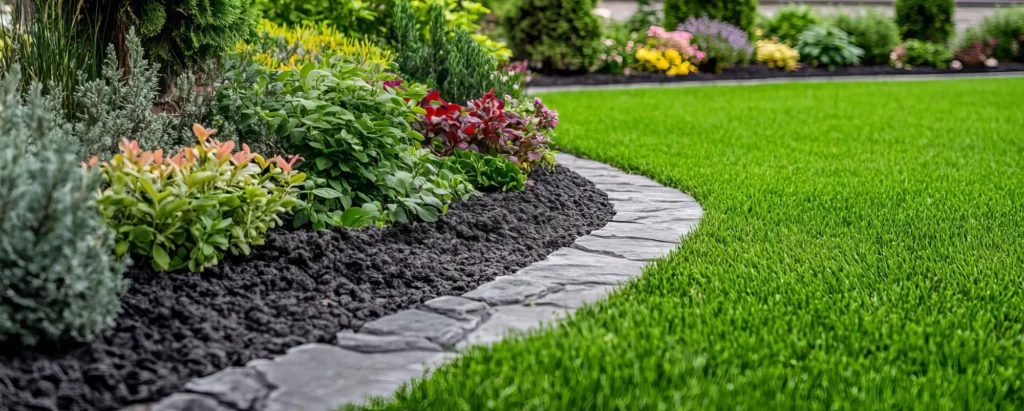
Shorter pile artificial grass is usually more affordable and requires less material to manufacture, which helps keep costs down.
It’s also easier to maintain and works well in areas with lighter use, such as decorative spaces or smaller gardens where a perfectly lush look isn’t essential.
Consider Remnants or Clearance Stock
Remnants or clearance rolls can offer significant savings, especially for smaller or irregularly shaped areas. These are often leftover pieces from larger projects but still perfectly usable.
If your garden layout allows for it, this can be one of the easiest ways to reduce material costs.
Reuse Existing Base Materials Where Possible
If your current base is already stable, level, and has good drainage, you may not need to start from scratch.
Reusing existing materials can save both time and money, but it’s important to check that the foundation is still in good condition before proceeding.
Rent Tools Instead of Buying
Artificial grass installation often requires specialist tools that you may only use once. Renting equipment instead of buying it outright can significantly reduce upfront costs while still allowing you to complete the job properly.
Avoid Unnecessary Add-Ons
While additional features like premium infill, decorative edging, or shock pads can improve comfort or appearance, they aren’t always essential.
Keeping the installation simple and focusing on the basics can help you stay within budget without affecting the overall quality of the lawn.
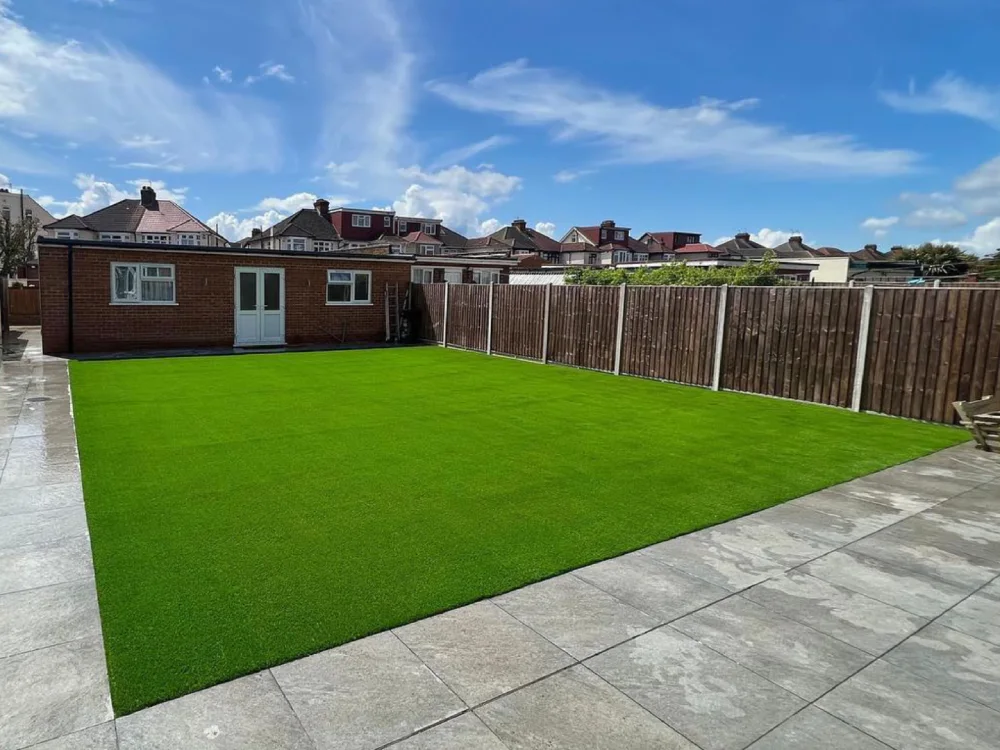
DIY vs Professional Installation: Where You Save Most
One of the biggest decisions when installing artificial grass is whether to do it yourself or hire professionals.
While DIY can seem like the cheaper option at first, the reality often depends on the size of the project, your experience, and the level of finish you want.
When DIY Can Reduce Costs
DIY installation can be a good way to save on labour costs, particularly for smaller and straightforward areas.
If you already have some basic tools and are comfortable with tasks like digging, levelling, and cutting materials, it can be a practical option. It also gives you more control over the pace of the project.
Hidden Costs of DIY Installation
DIY is not always as cost-effective as it appears once everything is considered. Common hidden costs include:
- Tool hire for equipment you don’t already own
- Material wastage due to inaccurate cutting or fitting
- Time spent learning techniques and correcting errors
- Potential rework if the installation isn’t done properly the first time
These factors can quickly add up and reduce the savings you initially expected.
When Hiring Professionals Is the Better Option
For larger, more complex, or high-traffic areas, hiring professionals can often be the better investment. Experienced fake grass installers can complete the work efficiently, ensure proper groundwork and drainage, and deliver a higher-quality finish.
This reduces the risk of problems later on and can save money in the long run by avoiding costly repairs or adjustments.
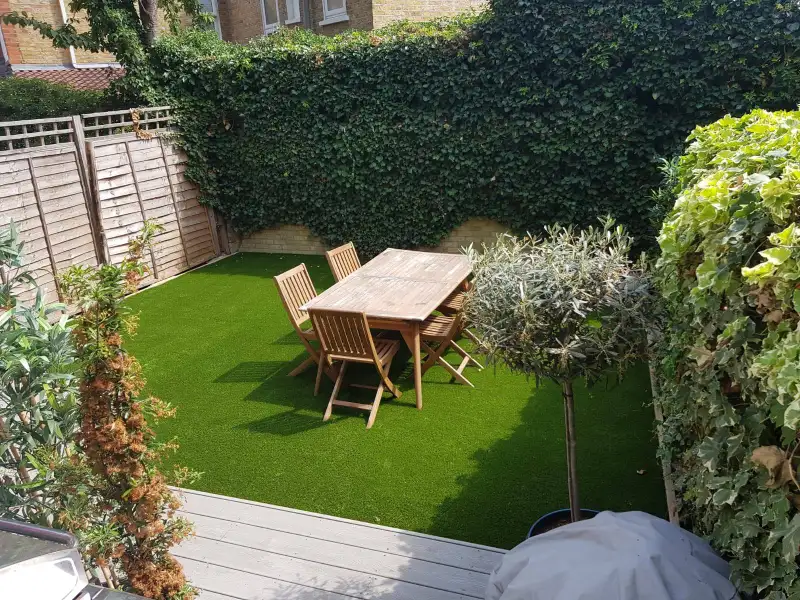
Why Focusing Only on Saving Money Can Cost More in the Long Run
While it’s completely understandable to look for the cheapest option, focusing only on upfront cost can often lead to higher expenses over time. Artificial grass is an investment, and cutting corners in the wrong areas can affect both performance and lifespan.
Low-Cost Turf Often Wears Out Faster
Cheaper artificial grass is usually made with lower-density fibres and less durable materials. As a result, it can flatten quickly, lose its appearance, and wear out sooner, meaning you may need to replace it much earlier than expected.
Poor Installation Leads to Future Repairs
Even good-quality turf can fail if it’s not installed properly. Issues such as uneven surfaces, poor drainage, or loose edges often come from inadequate groundwork. Fixing these problems later can be more expensive than getting it right the first time.
Quality Materials Improve Drainage and Durability
Higher-quality materials are designed to cope better with changing weather conditions, regular use, and proper drainage. This helps prevent common issues like water pooling, shifting, or long-term damage to the base.
Premium Options Offer Better Long-Term Value
Spending slightly more at the beginning can often lead to better long-term results. A well-installed, premium-quality artificial lawn typically requires less maintenance, lasts longer, and maintains its appearance, making it a more cost-effective choice over time.
Must Read: How to Lay Artificial Grass (The Complete Step-by-Step Guide)
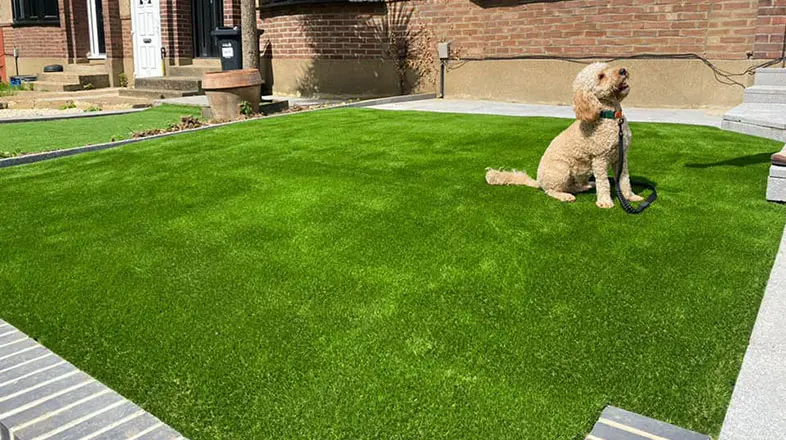
Long-Term Savings of Artificial Grass
Artificial grass is not just about upfront installation costs. Over time, it can help reduce ongoing household expenses.
- Reduced water usage compared to natural lawn
- No mowing, trimming, or fertilising required
- No need for pesticides or weed control
- Minimal maintenance compared to traditional grass
These savings add up over the years, making artificial grass a practical long-term investment.
Cheapest Way to Install Artificial Grass
The most cost-effective approach usually involves a balanced strategy rather than cutting corners.
- Handle groundwork yourself where possible
- Choose a mid-range turf that offers durability without premium pricing
- Avoid unnecessary upgrades or add-ons
- Consider professional help for critical installation steps if needed
This hybrid approach often delivers the best value without compromising quality.
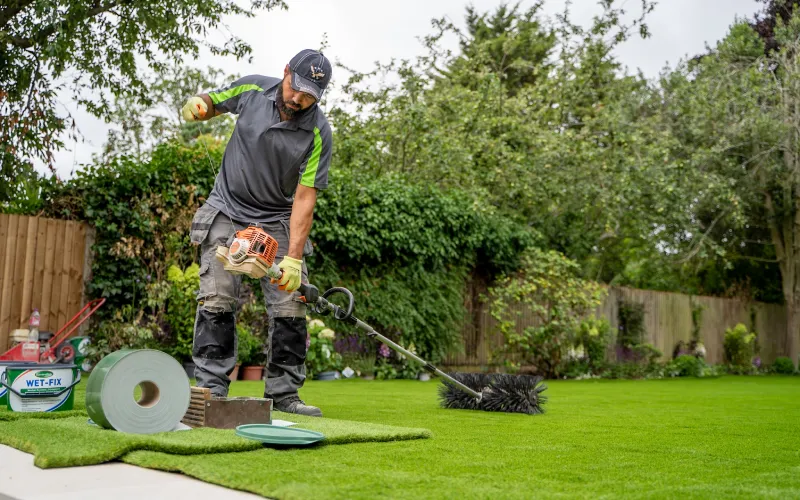
Final Thoughts
Saving money on artificial grass installation is very achievable when you approach it with the right plan.
From choosing suitable materials to deciding between DIY and professional installation, small decisions at each stage can have a big impact on your overall budget.
At the same time, it’s important to balance cost with quality. A well-installed, durable lawn will not only look better but also reduce the need for repairs or replacement in the long run.
If you’re planning an artificial grass project and want guidance on the best options for your space, our team at Superior Lawn can help you choose a solution that fits both your budget and
Frequently Asked Questions
How much does it cost to put down artificial grass?
In the UK, the cost of installing artificial grass typically ranges from around £60 to £120 per square metre, depending on the quality of the turf, ground preparation required, and whether you choose DIY or professional installation. Smaller gardens or complex layouts can increase the overall cost.
Is artificial grass expensive to install?
Artificial grass has a higher upfront cost compared to natural turf, mainly due to materials and installation work. However, it can be more cost-effective over time since it requires little maintenance, no mowing, and no watering, which reduces ongoing expenses
Do-it-yourself artificial grass installation — is it worth it?
DIY installation can save money on labour costs, especially for smaller and straightforward areas. However, it requires time, proper tools, and careful preparation. Mistakes in levelling, drainage, or cutting can lead to additional costs later, so it’s important to assess your skill level before choosing DIY.
How to install artificial grass on a wall?
Installing artificial grass on a wall involves fixing the turf to a solid backing surface using strong adhesive or fixings. The wall must be clean, dry, and stable before installation. It’s commonly used for decorative feature walls rather than functional flooring, and proper fixing is essential to ensure it stays secure over time.
Artificial grass installation at home — what should I consider?
When installing artificial grass at home, consider ground preparation, drainage, base materials, and accurate measurements. Proper levelling and a stable sub-base are crucial for durability. You should also choose a suitable turf type based on usage, such as play areas, decorative lawns, or pet-friendly spaces.
What is the cheapest way to install artificial grass?
The cheapest way to install artificial grass is usually a combination of DIY groundwork and selective professional help if needed. Using mid-range turf, avoiding unnecessary extras, measuring accurately, and reusing existing base materials where possible can significantly reduce overall costs.
How to lay artificial grass on a budget?
To lay artificial grass on a budget, focus on efficient planning, accurate measurements, and minimising waste. Choose affordable but durable turf, handle basic site preparation yourself, rent tools instead of buying them, and avoid non-essential add-ons. Keeping the design simple also helps reduce labour and material costs.