
Artificial grass sounds simple until you start comparing options.
One supplier recommends thick, luxury turf. Another pushes shorter grass for durability. Prices vary dramatically, yet most samples look similar at first glance.
That’s where many London homeowners get stuck.
Because choosing artificial grass isn’t really about picking the best product. It’s about choosing the right surface for the conditions your outdoor space deals with every day.
And in London, those conditions are unique.
Small gardens carry heavier foot traffic. Buildings block sunlight. Rainfall is frequent. Drainage matters more than appearance. Even the surrounding brickwork and paving influence how artificial grass performs over time.
What works beautifully in one property may struggle just a few streets away.
So instead of starting with specifications, let’s look at how to make the decision properly from the ground up.
- So… Is Artificial Grass Truly Safe for Children?
- What Makes Artificial Grass Safe for Children?
- How to Create a Child-Safe Artificial Grass Play Zone
- FAQs: What Every Parent Wants to Know
- Can kids play barefoot on artificial grass?
- Will artificial grass give my child rug burns?
- What if my child spills food or gets sick on the grass?
- Is it safe for babies and toddlers?
- Does artificial grass smell?
- Is it safe under the playground equipment?
- Will it help with allergies?
- Does artificial grass get too hot in summer?
Table of Contents
ToggleStart With Your Outdoor Space Type
Artificial grass performs differently depending on where it’s installed.
The mistake many people make is choosing turf based purely on appearance. In reality, the right choice depends on how the space is used day to day. Foot traffic, drainage needs, pets, and layout all influence how well the lawn holds up over time.
Start by looking at the space itself.
Small London Gardens
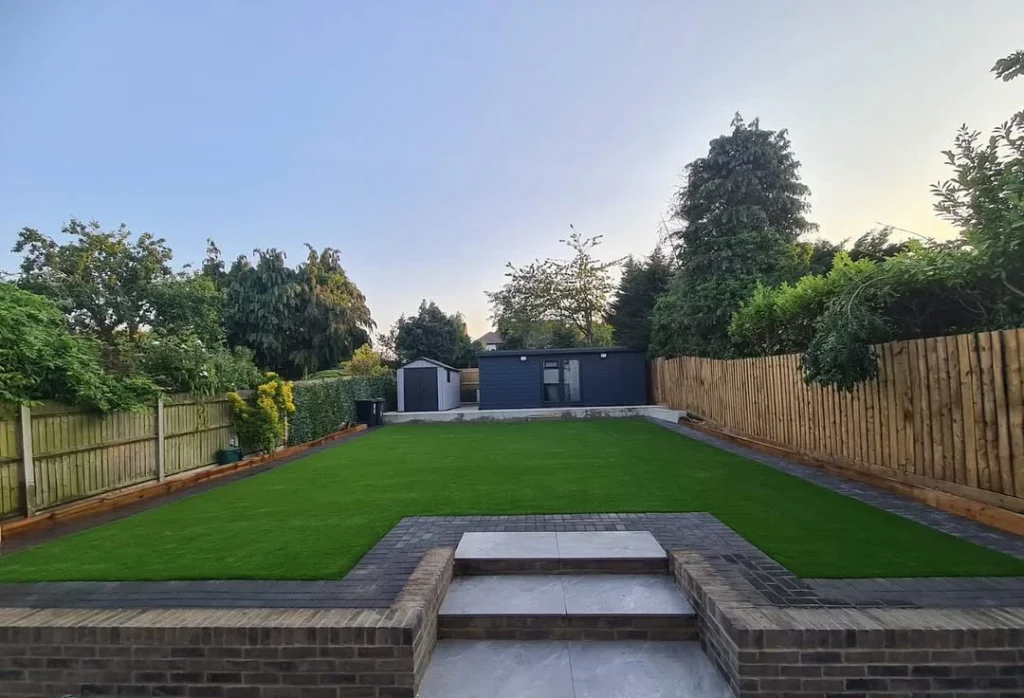
Smaller gardens usually see concentrated use. The same areas get walked over repeatedly, which means weaker turf can flatten quickly.
Mid-pile grass with good density tends to work best here. It keeps a natural look while handling regular use without needing constant maintenance.
Rooftop Terraces and Balconies
Balconies and terraces need efficient drainage and lightweight systems.
Water must pass through easily, and the surface should remain stable despite wind exposure or limited installation depth. Shorter to medium pile grass is often the most practical choice for elevated spaces.
Family Gardens and Play Areas
For family gardens, comfort matters just as much as durability.
Soft but dense artificial grass helps the surface recover after play while staying comfortable underfoot. Adding a shock pad beneath the turf can also improve safety for children without affecting appearance.
Commercial or Rental Properties
High-use spaces need resilience above all else.
Shorter, hard-wearing grass maintains a tidy appearance with minimal upkeep and handles frequent foot traffic far better than longer decorative turf.
Pet-Friendly Spaces
Pets place extra demand on artificial grass.
Good drainage and strong fibres are essential to prevent odours and flattening. A permeable backing combined with the right base allows liquids to drain quickly and keeps the surface easier to clean.
Choosing grass based on how the space is actually used makes the rest of the decision far simpler.
Must Read: Artificial Grass vs Real Grass: Which Is Better in 2026?

London Weather Conditions You Must Consider
Artificial grass doesn’t exist in isolation.
How well it performs depends heavily on the environment around it, and London’s climate creates a very specific set of challenges.
Ignoring these conditions is one of the main reasons some installations struggle long-term.
Constant Moisture and Drainage Needs
Rainfall is a regular part of London life, which means drainage should never be an afterthought.
Artificial grass must allow water to pass through quickly and move away from the base underneath. A high drainage rate prevents puddling, reduces odour buildup, and stops moisture from sitting beneath the surface.
Poor drainage doesn’t just cause standing water. Over time, trapped moisture can encourage bacterial growth and lead to mould issues beneath the turf.
Choosing grass with strong permeability, combined with proper ground preparation, makes a noticeable difference year-round.
Also Read: Why Your Artificial Lawn Isn’t Draining Properly and What To Do About It
Limited Sunlight in Urban Areas
Many London gardens receive partial shade due to surrounding buildings, fencing, or neighbouring properties.
Less sunlight means surfaces stay damp for longer after rainfall. Artificial grass installed in shaded areas needs fibres that recover well without relying on sun exposure to dry or lift the blades naturally.
UV-stable fibres also help maintain colour consistency, preventing fading or uneven tones in areas that receive mixed light throughout the day.
Frost Resistance During Winter
Winter conditions bring freezing temperatures and repeated moisture cycles.
Lower-quality turf can become stiff or brittle when exposed to frost, which gradually weakens the fibres. Quality artificial grass remains flexible even during colder months, allowing it to handle seasonal temperature changes without cracking or damage.
Durability across all seasons is especially important in climates with frequent weather shifts.
Preventing Mud and Mess in Wet Months
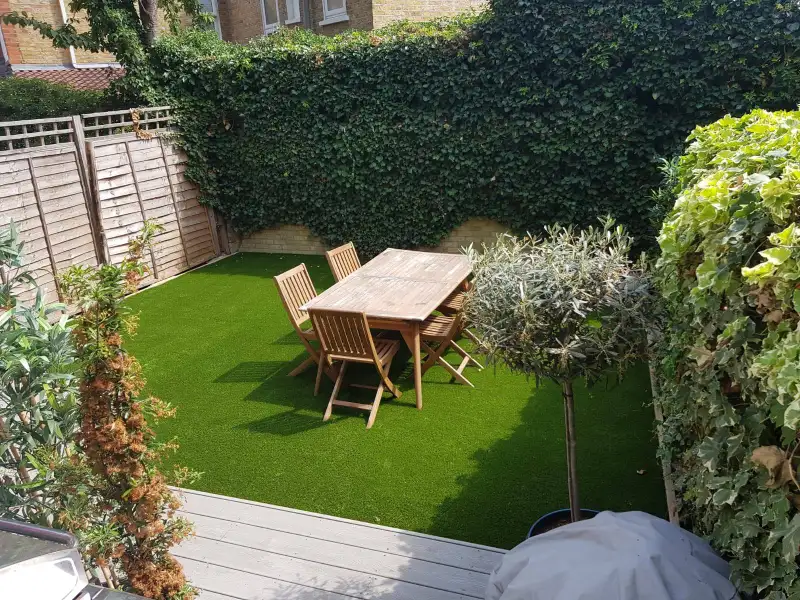
One of the biggest reasons London homeowners switch to artificial grass is to eliminate mud during autumn and winter.
When installed correctly, artificial turf creates a clean, usable surface even after heavy rain. Effective drainage and a stable sub-base prevent soil from rising through the surface, keeping outdoor areas usable throughout wetter months.
Understanding Artificial Grass Specifications (Without the Confusion)
Artificial grass specifications often look technical, but most buying decisions come down to a few practical factors.
Instead of focusing on numbers alone, it helps to understand what those specs actually mean once the lawn is installed and in daily use.
Pile Height — What Actually Works in London
Pile height simply refers to the length of the grass blades.
Longer isn’t always better. The right height depends on how much space is used.
- 20–30mm works well for balconies, terraces, and decorative areas with lighter traffic
- 30–40mm suits most London gardens, balancing comfort, durability, and appearance
- 40mm+ creates a fuller, luxury look but usually needs more maintenance to prevent flattening
For many urban gardens, moderate pile height performs more consistently than very long turf.
Density and Stitch Rate Explained Simply
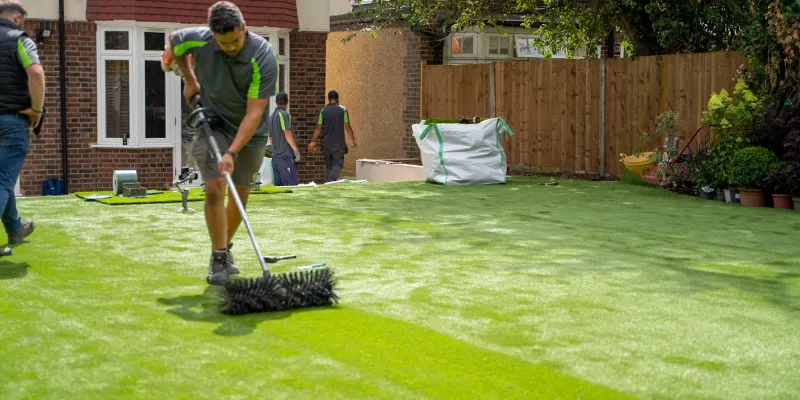
Density determines how full and resilient the lawn feels.
Higher stitch rates mean more fibres packed into the surface, which helps the grass recover after foot traffic, furniture weight, or play. In busy homes, dense turf keeps its shape longer and shows wear far less quickly.
It’s often the biggest factor behind long-term durability.
Yarn Material Types
The fibre material affects softness, strength, and lifespan.
Polyethylene
Soft, natural-looking, and comfortable underfoot. Ideal for most residential gardens.
Polypropylene
More affordable but less resilient. Best suited for low-use or decorative spaces.
Nylon
Extremely durable and resistant to pressure, though firmer to walk on. Common in commercial or high-traffic areas.
Choosing the right combination of pile height, density, and material usually matters more than choosing the most expensive option.
Related Read: Different Types of Artificial Grass Explained: How to Choose the Right Turf
Choosing a Natural Look That Matches London Properties
Artificial grass can look incredibly realistic or obviously artificial.
The difference usually comes down to how well it suits the property around it.
London homes vary widely in style, and the lawn should complement that setting rather than stand out against it.
Modern vs Traditional Homes
Contemporary properties often suit cleaner, more uniform grass styles with neat finishes and shorter piles.
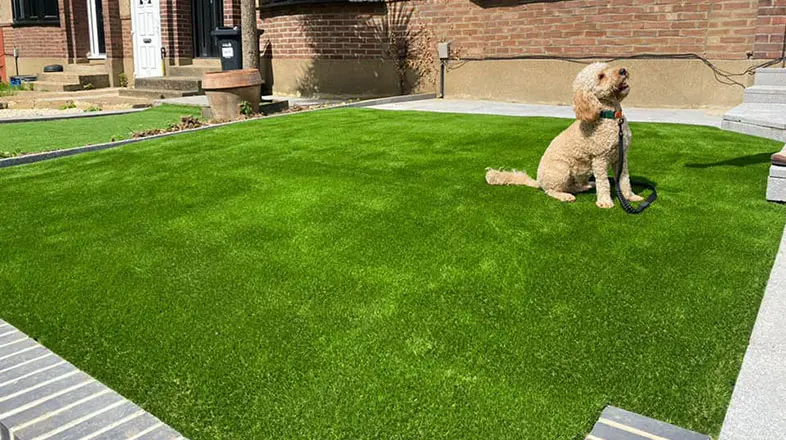
Traditional London homes, especially brick terraces or period properties, tend to look better with slightly softer, more varied turf that mimics natural lawn growth.
Matching the character of the property helps the installation feel intentional rather than added on.
Multi-Tone Colour Blends
Real grass isn’t one shade of green.
High-quality artificial grass combines different tones, typically field green, olive, and subtle brown fibres, to recreate natural variation. These blends break up uniform colour and make the lawn look more convincing throughout the year.
Single-tone turf often appears flat once installed outdoors.
Matt vs Shiny Fibres
Shine is one of the quickest giveaways of low-quality artificial grass.
Matt fibres reflect less light, which helps the lawn look natural under both sunlight and overcast skies. Shiny fibres can create a plastic appearance, especially after rain or in direct light.
In London’s softer daylight, reduced shine makes a noticeable difference.
Seasonal Realism
Natural lawns change slightly with the seasons. They’re rarely bright green all year round.
Artificial grass designed with muted tones tends to blend better through winter, autumn, and early spring when surrounding plants and landscapes are less vibrant.
Overly bright green turf may look appealing in a showroom, but it often appears unnatural once installed in typical UK conditions.
A realistic lawn usually comes from subtle colour variation and texture, not intensity.
Comfort, Safety, and Long-Term Performance
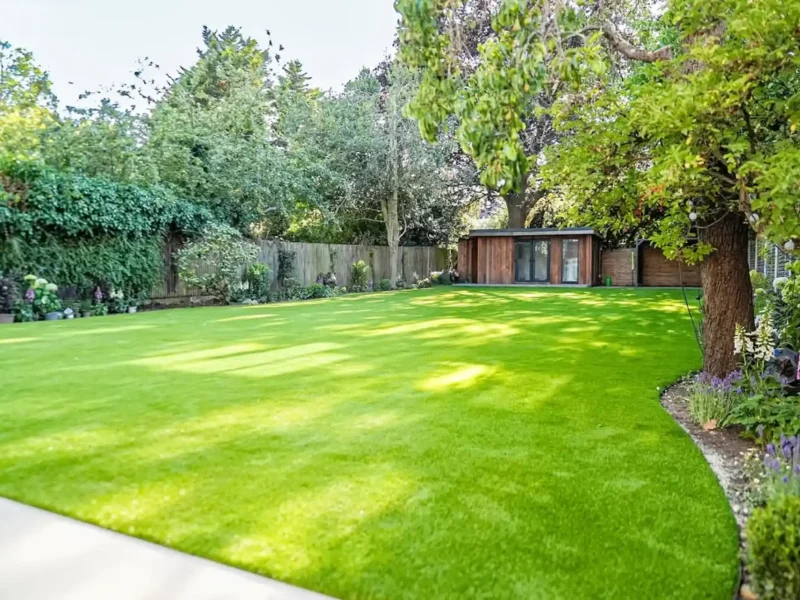
Artificial grass isn’t just about looks—it has to feel right, perform well, and last. London homeowners care about more than colour; they want a lawn that’s practical every day.
Everyday Comfort and Safety
For families, soft yet resilient fibres make a noticeable difference. Kids can play safely, and pets can run without flattening the turf too quickly. Adding a shock-absorbing underlayer helps reduce impact and keeps the surface comfortable underfoot.
Even small touches matter: UV-stabilised fibres and lighter colour blends reduce heat retention in summer, while dense stitching and good drainage prevent slips when the lawn is wet.
Durability That Lasts
A quality lawn should stay looking and feel good for years. Expect 8–15 years of life with proper use, and check that the manufacturer offers warranties covering UV fading, fibre wear, and backing integrity.
At Superior Lawn, we provide premium artificial grass designed to last up to 20 years with proper installation and care.
Low-quality turf often reveals itself quickly: shiny plastic fibres, uneven colouring, loose stitching, or fast flattening in high-traffic areas are red flags. Dense, well-stitched grass resists wear and keeps its shape, reducing replacement costs and maintenance headaches.
Installation Choices for London Properties
How your lawn is installed can be just as important as the grass you choose. London gardens often come with tight spaces, uneven ground, or rooftop terraces, so getting the base right is crucial.
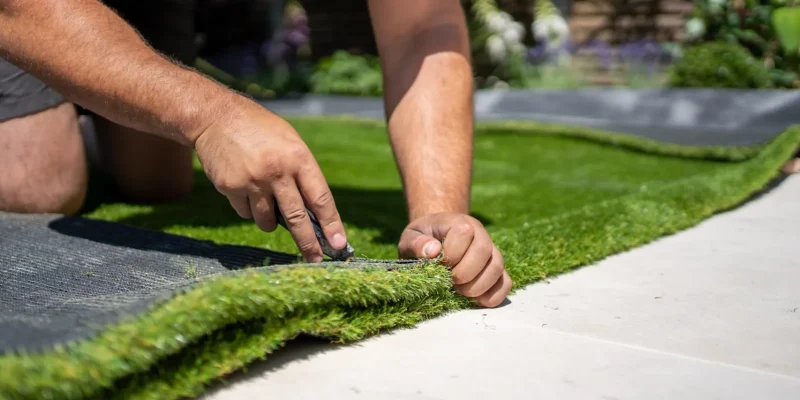
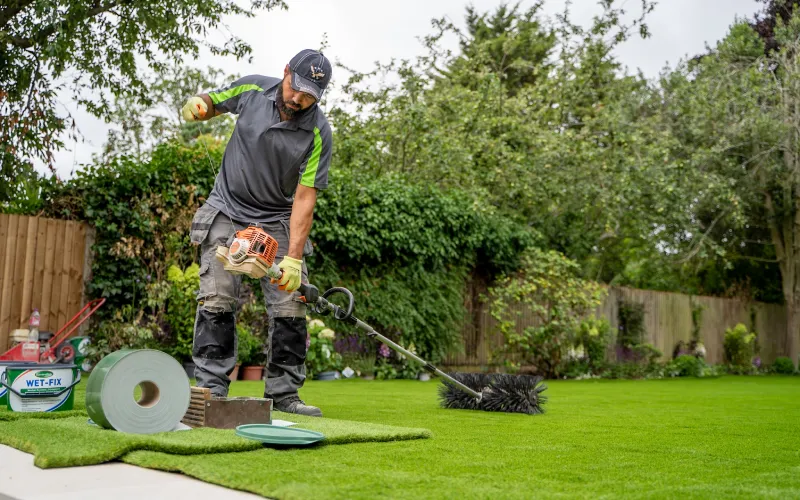
Professional installation ensures proper drainage, even surfaces, and correct infill distribution. For tricky spots like small gardens, balconies, or terraces, experienced installers can prevent long-term problems that DIY attempts often create.
Even simple mistakes—like poor base preparation or uneven seams—can shorten your lawn’s lifespan and make it look artificial sooner.
Budgeting Smartly: Cost vs Long-Term Value
Cheap artificial grass isn’t always a bargain. Low-cost turf often wears out faster, flattens quickly, or discolours, meaning replacement costs rise over time.
Investing in good-quality grass and proper installation saves money in the long run. You’ll cut down on maintenance, avoid repeat purchases, and still enjoy a low-maintenance, always-green lawn—something natural grass rarely delivers in London.
Also Read: How Much Does Artificial Grass Cost in London? 2026 Updated
Common Mistakes London Homeowners Make
Even experienced buyers can make avoidable errors:
- Choosing pile height based only on how it looks
- Ignoring drainage, leading to puddles or odours
- Selecting turf unsuitable for outdoor conditions
- Cutting corners on the installation base
Focusing on durability, drainage, and proper installation prevents disappointment and ensures your lawn performs year after year.
Final Checklist Before Buying Artificial Grass in London
Before making a decision, make sure your lawn ticks all these boxes:
- Pile height suited to your space and use
- High drainage rate for wet London conditions
- UV protection for long-lasting colour
- Multi-tone fibres for a natural look
- Manufacturer warranty for wear and backing
- Professional installation option for tricky gardens
Following this checklist ensures your lawn not only looks natural but also stays functional and comfortable across seasons.
Frequently Asked Questions
How do I stop my artificial grass from smelling of dog urine?
Start by rinsing the area regularly to stop urine from building up. Then use an enzyme-based cleaner to break down any leftover residue in the infill. If smells keep returning, consider adding zeolite infill or improving drainage underneath. Removing the source, not masking it, is what works long term.
Does artificial grass smell after rain?
It can, but only if there’s existing buildup.
Rain reactivates old urine salts, dirt, and bacteria trapped in the base, which releases odours. If your lawn smells after rain, it usually means it needs better cleaning or drainage. A properly installed and maintained lawn shouldn’t smell at all.
How to keep fake grass from smelling?
Stick to a simple routine: rinse weekly, remove debris, and use an enzyme cleaner monthly in high-use areas. Good airflow and drainage also help the surface dry faster, which limits bacteria growth. Consistency is more important than heavy cleaning.
What is the best odour eliminator for artificial grass?
Enzyme cleaners are the most effective because they break down urine proteins instead of just covering the smell. For ongoing freshness, zeolite infill and pet-safe deodorisers also help neutralise odours between cleans.
Can I use baking soda on fake grass?
It’s not recommended.
Baking soda can leave residue in the infill and doesn’t properly break down urine or bacteria. It may mask smells briefly but won’t solve the problem. Enzyme-based products are a better option.
Is it OK to power wash artificial grass?
Yes, but carefully.
Use low pressure and keep the nozzle at a distance to avoid damaging fibres or disturbing the infill. It’s best for occasional deep cleaning, not regular use. A normal hose is enough for weekly maintenance