
At first glance, artificial grass can look great. Then something feels off. The colour is too bright. The surface looks flat. The edges are sharp. Instead of blending into the garden, it looks laid on top of it.
Here’s what most people miss. Artificial grass doesn’t look fake by default. It looks fake when the product is low quality or the installation is rushed.
When people ask how to make artificial grass look real, it usually comes down to detail. Single-tone fibres, thin construction, visible seams, a weak sub-base, or poor infill can all ruin the finish.
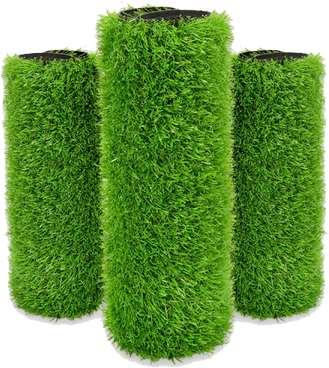
Premium artificial grass is different. Multi-tone fibres, natural thatch layers, dense construction, and proper installation create depth and structure. Add simple maintenance, and the lawn starts to behave more like real grass.
In this guide, you’ll learn exactly how to make artificial turf look natural, from choosing the right product to finishing it properly.
- So… Is Artificial Grass Truly Safe for Children?
- What Makes Artificial Grass Safe for Children?
- How to Create a Child-Safe Artificial Grass Play Zone
- FAQs: What Every Parent Wants to Know
- Can kids play barefoot on artificial grass?
- Will artificial grass give my child rug burns?
- What if my child spills food or gets sick on the grass?
- Is it safe for babies and toddlers?
- Does artificial grass smell?
- Is it safe under the playground equipment?
- Will it help with allergies?
- Does artificial grass get too hot in summer?
Table of Contents
Toggle01. Choose Artificial Turf That Actually Looks Natural
If the turf doesn’t look right, nothing else will fix it.
When people ask how to make artificial grass look real, the answer usually starts with choosing better grass. Structure, colour, height, and density matter far more than price.
Blade shape is the first thing to check. C, S, and W-shaped fibres are designed to hold their form and spring back after pressure. That structure helps the lawn reflect light more naturally. Flat blades collapse quickly and start to look shiny.
Colour is just as important. Real grass isn’t one shade of green. Multi-tone artificial grass blends olive, field green, and brown thatch to create depth.
Bright, single-tone green is what makes fake turf stand out. If you want natural-looking artificial grass, variation is essential.
Pile height also affects realism. Too short looks like a putting green. Too long looks messy. A balanced, mid-range height tends to look most convincing in residential gardens and is often considered the best artificial grass for a realistic look.
Then there’s density. Dense artificial grass looks fuller, hides the backing better, and creates natural shadow. Thin turf can look like carpet almost instantly.
Premium artificial grass usually has a higher stitch rate and heavier feel, which makes a visible difference.
If you get these basics right, you’re already halfway to artificial grass that looks real.
02. Get the Installation Right (This Is Where Most Lawns Fail)
You can choose premium artificial grass, but if it’s installed badly, it will still look fake.
Most issues come from what’s underneath.
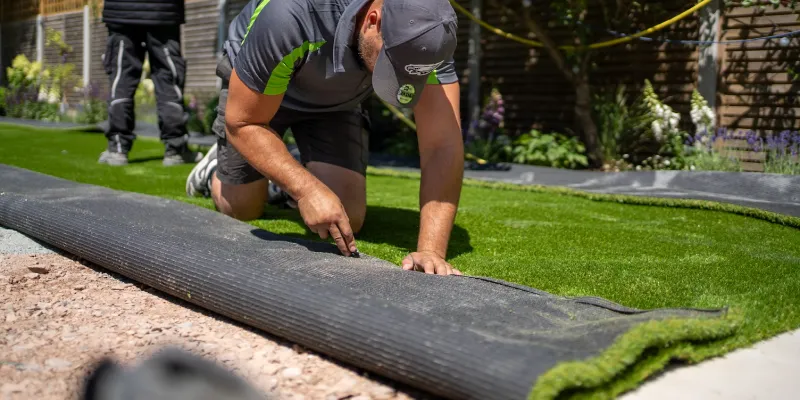
A solid artificial grass sub-base should be properly compacted and free draining. This stops dips, movement, and water pooling later on.
Add a weed membrane, and you protect the finish long term. If the ground prep is weak, the lawn will shift or wrinkle, and that breaks the illusion instantly.
Seams are another common giveaway. Poor joins create visible lines across the lawn. Done properly, fibres are aligned, and the join disappears. You shouldn’t be able to tell where one roll ends and another begins.
Grain direction matters too. Artificial grass leans slightly. If sections run in different directions, the colour will look uneven as light hits it differently. Keep everything laid out the same way for a consistent finish.
Finally, edging. Harsh, perfectly straight borders can make turf look placed rather than natural. Blending edges into beds, stone, or pathways makes the lawn feel part of the garden.
If you want artificial grass that looks real, installation carries just as much weight as the turf itself. This is where professional artificial grass installation often makes the biggest difference.
Related Read: The Complete Guide to Artificial Lawn Installation: Cost, Process & More
03. Use Infill Correctly
A lot of people skip this part.
Or they use whatever sand was cheapest.
And then they wonder why the lawn looks flat a few months later.
Artificial grass infill isn’t just there for weight. It holds the fibres upright, supports the backing, and helps the turf keep its shape over time. Without it, even realistic artificial grass starts to lean and lose that natural finish.
If you’re serious about how to make artificial turf look natural, infill plays a bigger role than most realise.
The best infill for artificial grass is usually kiln-dried silica sand.
It settles evenly between the fibres and helps them stand tall without clumping. For pet owners, certain specialist or odour-controlling infills can also help long-term.
What you want to avoid is underfilling or overfilling.
Too little infill and the grass looks limp. Too much and the surface becomes stiff and unnatural. The goal is balance. Enough to support the blades, but not so much that it buries them.
When installed properly, infill gives the lawn bounce, structure, and a more realistic finish. It’s one of those details you don’t notice when it’s done right, but you definitely notice when it’s done wrong.
If you want artificial grass that looks real instead of flat and tired, don’t overlook what’s happening between the fibres.
Also Read: Artificial Grass vs Real Grass: Which Is Better in 2026?
04. Brush and Maintain It Properly
Even the best artificial grass for a realistic look won’t stay that way if you ignore it.
Artificial grass maintenance doesn’t need to be complicated. But it does need to be consistent.
Start with brushing.
Over time, foot traffic pushes fibres down, especially in high-traffic areas like pathways, seating zones, and play spots. When the blades flatten, the surface starts to look shiny and artificial.
Learning how to brush artificial grass properly makes a visible difference.
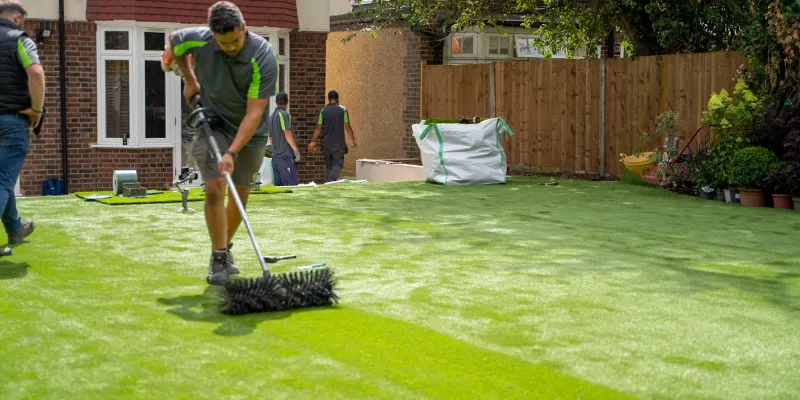
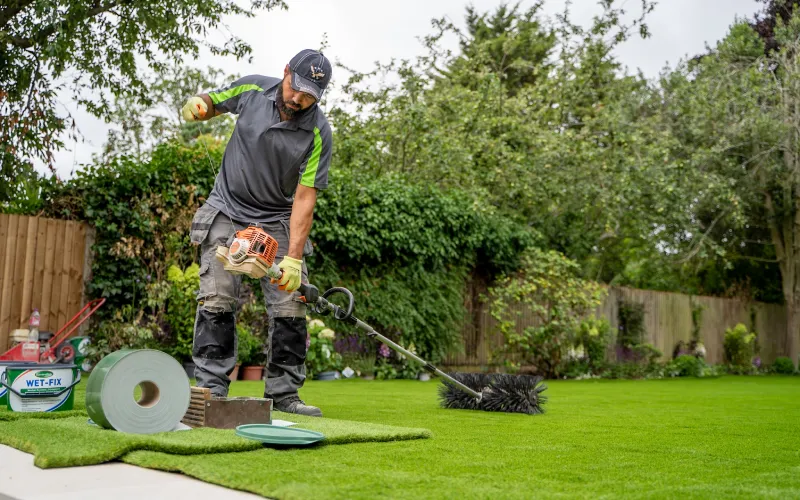
Use a stiff broom and brush against the grain to lift the fibres back upright. That alone can bring a tired lawn back to life.
Then keep it clean, but don’t overdo it.
Leaves, dust, and small debris build up between the fibres and trap moisture. A simple rinse every now and then keeps things fresh and helps the artificial grass infill settle evenly.
If you’re wondering, can you jet wash artificial grass? Yes, but gently. Low pressure only, and not too often. Too much force can disturb the infill or damage the fibres.
Finally, let it settle.
Brand new turf can sometimes look slightly shiny or overly neat. That’s normal. As the fibres relax and the surface gets light use, it softens and starts to look more natural. A little wear actually improves the appearance.
If you want artificial grass that looks real long term, maintenance is what protects your investment. It’s simple, quick, and makes all the difference.
Recommended Read: How To Clean Artificial Grass: The Only Guide You Need
05. Blend Artificial Turf with Real Landscaping
Even the most realistic artificial grass can look out of place if it’s dropped into a garden with no thought given to it.
This is where design makes the difference.
Start with the edges.
Perfectly straight lines and sharp corners can make turf look like it’s been rolled out and cut to fit. Real lawns rarely grow in rigid shapes. Soft curves feel more natural and help the grass blend into the space instead of sitting on top of it.
Then bring in real elements.
Shrubs, trees, and flower beds break up the surface and create contrast. Stone borders, gravel strips, or timber sleepers add texture and stop the lawn from looking flat and uniform.
When artificial grass connects naturally to planting and hard landscaping, it feels intentional rather than artificial.
You can also mix real and artificial areas if the layout allows it.
Using natural grass in certain sections and premium artificial grass in others creates depth and variation. That contrast makes the artificial sections look more convincing, not less.
When the surroundings feel balanced and layered, artificial grass that looks real becomes much easier to achieve.
Install Premium, Natural-Looking Artificial Grass in London
If you want artificial grass that looks real, it starts with the right team.
Choosing premium artificial grass is only half the job. The finish depends on expert preparation, seamless fitting, and attention to detail from the ground up.
From a properly compacted artificial grass sub-base to invisible joins and evenly distributed artificial grass infill, every layer matters.
At Superior Lawn, we install realistic artificial grass designed with multi-tone artificial grass fibres and dense construction for a natural, balanced look.
Our professional artificial grass installation service in London focuses on doing it right the first time. That means careful ground preparation, correct grain direction, clean edging, and a finish that doesn’t look forced or artificial.
We make the process straightforward by offering a free survey visit, followed by a clear, tailored quote based on your garden’s exact requirements.
If you’re ready for natural-looking artificial grass without the guesswork, request your free survey and see what your garden could look like done properly.
Frequently Asked Questions
How to make artificial turf look real?
It comes down to quality and detail. Choose realistic artificial grass with multi tone artificial grass fibres and good density.
Make sure the artificial grass installation is done properly with a solid artificial grass sub-base and the right infill.
Then maintain it. Regular brushing, light cleaning, and blending the lawn with natural landscaping all help create artificial grass that looks real instead of artificial.
How to make astro turf look good?
Keep the fibres upright and the surface clean. Learn how to brush artificial grass properly, especially in high-traffic areas.
Rinse occasionally to remove dust and debris. Adding plants, stone borders, or curved edges around the lawn also makes it feel more natural and less like a flat surface.
How to make fake grass look less fake?
Avoid bright, single-tone green turf. Go for natural-looking artificial grass with colour variation and thatch layers.
Break up straight edges, use quality infill, and make sure seams are invisible. Most of the time, it’s the small details that separate average turf from premium artificial grass.
Does Astro Turf look real?
Modern turf is very different from old-school sports AstroTurf. Today’s realistic artificial grass is softer, denser, and designed with colour variation to mimic real lawns.
Does artificial grass look real? It can, especially when you choose the best artificial grass for realistic look and have it installed properly.
How long will artificial turf last?
High-quality artificial grass typically lasts between 10 and 20 years, depending on usage and installation quality. A strong artificial grass sub-base, correct artificial grass infill, and consistent artificial grass maintenance all extend its lifespan.
Is it okay to jet wash artificial grass?
Yes, but carefully. If you’re asking can you jet wash artificial grass, the answer is low pressure only. Keep the nozzle at a distance and avoid disturbing the infill. Jet washing is useful for occasional deep cleaning, not weekly maintenance.
What are the disadvantages of AstroTurf?
Artificial grass can retain heat in strong sunlight, and the upfront cost is higher than that of natural turf. Poor installation can also lead to drainage issues. Choosing quality materials and proper installation reduces most long-term problems.