
You install artificial grass expecting a low-maintenance, always-green lawn. Then summer hits.
The sun’s been out all day, and suddenly the surface feels too hot to walk on barefoot. If you’ve got kids or pets, that heat becomes a real concern fast.
Here’s the honest truth: yes, artificial grass can get hot in direct sunlight. Sometimes hotter than you expect. But it’s not a dealbreaker, and it’s definitely manageable.
The key is understanding why it heats up in the first place. Once you know what’s actually happening, from materials and infill to airflow and surrounding surfaces, you can take practical steps that make a noticeable difference.
In this guide, we’ll break down how hot synthetic grass really gets, what causes the heat buildup, and 10 proven ways to cool it down so it stays comfortable even in peak summer.
- So… Is Artificial Grass Truly Safe for Children?
- What Makes Artificial Grass Safe for Children?
- How to Create a Child-Safe Artificial Grass Play Zone
- FAQs: What Every Parent Wants to Know
- Can kids play barefoot on artificial grass?
- Will artificial grass give my child rug burns?
- What if my child spills food or gets sick on the grass?
- Is it safe for babies and toddlers?
- Does artificial grass smell?
- Is it safe under the playground equipment?
- Will it help with allergies?
- Does artificial grass get too hot in summer?
Table of Contents
ToggleDoes Artificial Grass Really Get Hot?
Yes, it can.
Artificial grass sits in direct sunlight just like paving or decking. When the sun is strong, the surface heats up. The difference is that people expect it to feel like real grass, so the warmth catches them off guard.
Here’s what that actually looks like.
How Hot Can Artificial Grass Get?
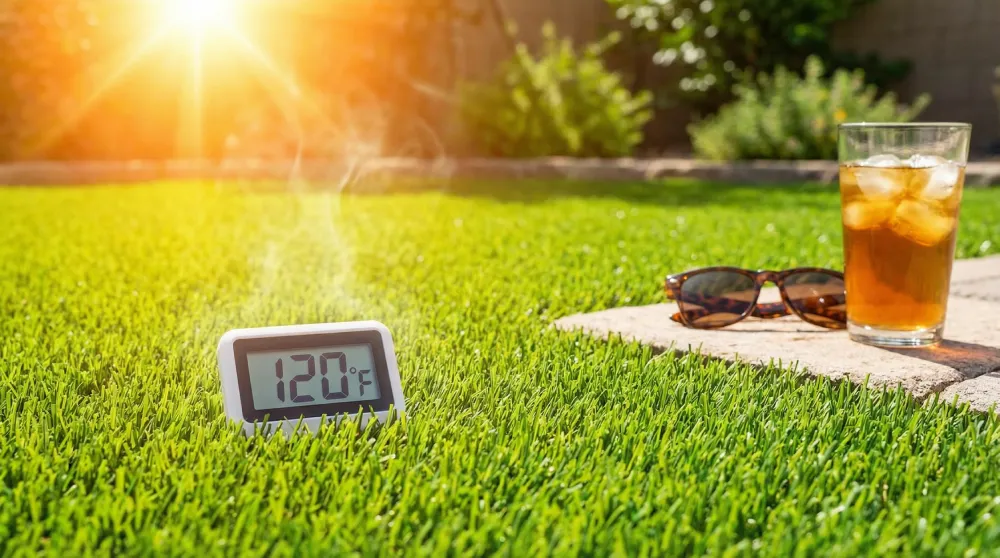
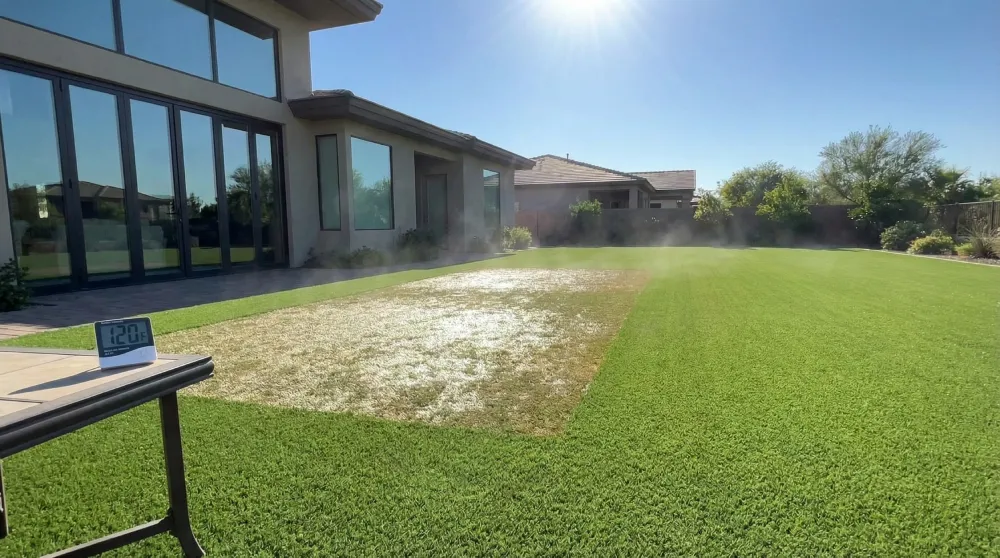
On a 25°C (77°F) day, artificial turf can reach 45–65°C (113–149°F) in full sun. On hotter days, it can climb even higher.
But it’s not alone. Concrete, dark paving, and composite decking often get just as hot — sometimes hotter. Natural grass, though, usually stays much closer to air temperature.
Is Artificial Grass Hotter Than Natural Grass?
In most cases, yes.
Natural grass cools itself by releasing moisture into the air. Artificial turf doesn’t have that built-in cooling system. Once it absorbs heat, it holds onto it until the sun drops or you cool it down.
That’s the key difference, and the reason cooling strategies matter.
Also Read: Artificial Grass vs Real Grass: Which Is Better in 2026?
Why Artificial Grass Gets So Hot (What’s Actually Happening)
If artificial grass gets hot, it’s not random. There are specific reasons behind it. And once you understand them, the whole issue makes more sense.
Let’s break down what’s really going on.
1. Synthetic Materials Absorb and Retain Heat
Artificial turf is made from synthetic fibers like polyethylene or polypropylene. These materials absorb sunlight and store heat.
Unlike soil, they don’t breathe. And unlike natural grass, they don’t release moisture back into the air. So when the sun hits the surface, the heat builds up and stays there.
2. Poor Drainage and Standing Water
Artificial grass should let water pass straight through. If water sits underneath, problems start fast.
A weak or poorly prepared sub-base can trap moisture instead of draining it away. When water stays stagnant, low-oxygen bacteria grow underneath the surface.
These bacteria produce much stronger, foul smells compared to normal surface dirt. That’s what causes the heavy, swampy odour some lawns give off after rain.
If your grass smells worse in wet weather, drainage is usually the issue.
Related Read: Why Your Artificial Lawn Isn’t Draining Properly and What To Do About It
3. Turf Color and Fiber Technology
Color plays a bigger role than most people think.
Darker green tones absorb more heat. Lighter blends reflect more sunlight and tend to stay slightly cooler. Some newer products use heat-reducing yarn technology designed to reflect infrared light, which helps lower surface temperature.
4. Infill Type Matters More Than You Think
What sits between the blades affects heat levels too.
Crumb rubber infill absorbs and holds heat, which can make the surface feel hotter for longer. Silica sand performs better but can still warm up significantly. Cooling infills, like coated sand or zeolite-based options, are designed to reduce heat retention and improve airflow.
The wrong infill can make a noticeable difference.
5. Density, Blade Shape, and Pile Height
Denser turf traps more heat.
When blades are tightly packed, airflow is reduced, and heat gets trapped between fibers. Taller pile heights can also hold warmth longer, especially if the infill underneath is compacted.
Looser structures allow slightly better air movement, which helps with cooling.
6. Surrounding Environment
This is the part most competitors barely mention.
Artificial grass doesn’t heat up in isolation. The environment around it matters.
Concrete walls and dark fencing absorb heat and radiate it back onto the turf. Large glass doors and windows can reflect sunlight directly onto the surface, intensifying the temperature. Poor airflow in enclosed gardens or courtyards traps warm air and slows cooling.
Sometimes it’s not just the turf. It’s everything around it amplifying the heat.
10 Proven Ways to Stop Artificial Grass From Getting Too Hot
Now that you know why it heats up, here’s what actually works. These aren’t gimmicks. They’re practical fixes that reduce surface temperature in real conditions.
Rinse It With Water (Instant Cooling Effect)
Water cools fake grass immediately. A quick spray with a hose can drop the surface temperature within minutes.
How long it stays cool depends on the heat and sun intensity. On very hot days, the effect may last 20–45 minutes. In milder conditions, it can stay comfortable longer.
Best time to spray?
Right before use. If kids or pets are heading outside, a quick rinse just beforehand makes the biggest difference.
Related Read: What Happens to Artificial Grass in Heavy Rain? A Clear, Practical Guide
Install Shade Structures
Shade is one of the most effective long-term solutions.
Pergolas, shade sails, trees, and even large umbrellas can significantly reduce direct sun exposure. Less direct sunlight means less heat absorption in the first place.
If your lawn gets full afternoon sun, partial shading during peak hours can dramatically lower surface temperatures.
Reduce Window Glare and Heat Reflection
This is often overlooked.
Large windows and glass doors can reflect and intensify sunlight onto artificial grass, creating hot spots. In some cases, reflected heat is stronger than direct sunlight.
Low-E window film helps reduce reflection. External blinds can block intense glare. Strategic planting near reflective surfaces can also soften and diffuse sunlight.
Sometimes, cooling the turf starts with managing the light around it.
Choose Heat-Resistant Artificial Grass
Not all artificial grass performs the same in hot weather.
Look for UV-stabilised fibres. These are designed to handle prolonged sun exposure without breaking down or overheating as quickly.
Some modern products also use heat-reducing yarn technology that reflects more infrared light instead of absorbing it.
Colour matters too. Lighter green blends tend to stay slightly cooler than darker, deep-green tones. It won’t eliminate heat completely, but it can make a noticeable difference.
Select the Right Infill
Infill plays a bigger role than most people realise.
Cooling infill options are designed to reduce heat retention and improve airflow between the blades.
Zeolite is a popular choice, especially for pet areas, because it helps with both temperature and odour control. Acrylic-coated sand is another option that doesn’t retain as much heat as basic materials.
Crumb rubber, on the other hand, absorbs and holds heat. In hot climates, it can significantly increase surface temperature. If heat is a concern, it’s usually best avoided.
Improve Airflow Around the Area
Air movement helps surfaces cool down faster.
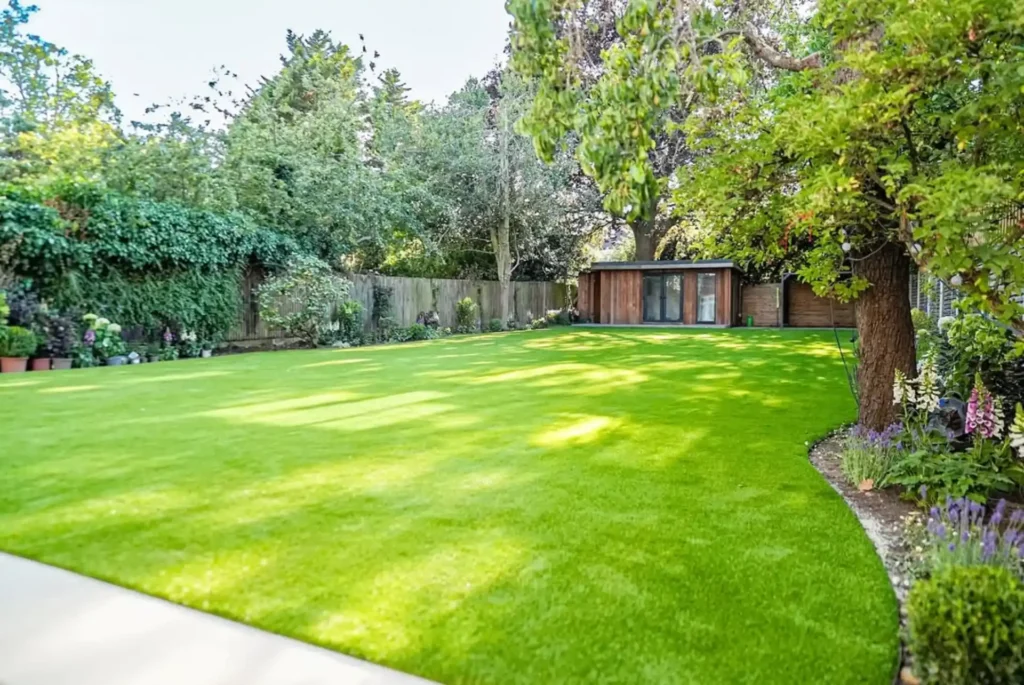
Open fencing allows heat to escape instead of trapping warm air around the lawn. If your garden is surrounded by solid walls or tight boundaries, heat can linger longer than it should.
Avoid creating enclosed heat pockets. The more airflow you allow across the surface, the quicker it cools once the sun drops or after a rinse.
Avoid Surrounding Heat-Absorbing Materials
Artificial grass doesn’t heat up alone. The materials around it can make things worse.
Composite decking and dark paving absorb large amounts of heat and radiate it back onto the turf. That extra warmth lingers, especially in enclosed spaces. Installing artificial grass directly next to large glass panels can also create concentrated hot spots due to reflection.
If possible, balance hard landscaping with lighter surfaces, planting, or shaded areas to reduce heat buildup around the lawn.
Regular Maintenance to Prevent Compaction
Over time, infill can compact.
When that happens, airflow between the fibres decreases, and heat gets trapped more easily. The surface can start holding warmth longer than it should.
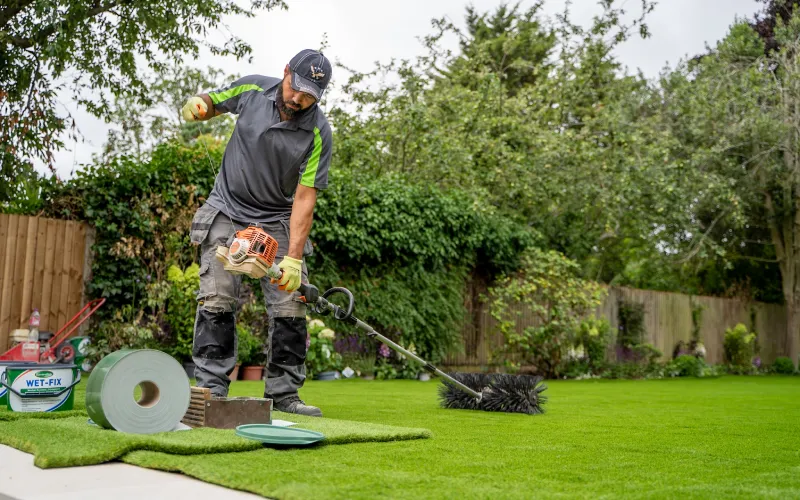
Brushing the turf regularly loosens the infill and lifts the blades. That small step improves air movement and helps the surface cool faster after sun exposure.
Also Read: How To Clean Artificial Grass: The Only Guide You Need
Install Shock Pads Designed for Heat Reduction
Shock pads sit beneath the turf and add a cushioning layer.
Some modern pads are designed with heat reduction in mind. They act as a light insulation barrier, reducing heat transfer from the base upward. At the same time, they improve comfort and safety, especially for children.
It’s not a magic fix, but it adds another layer of temperature control.
Professional Installation Makes a Difference
Installation quality affects heat performance more than people expect.
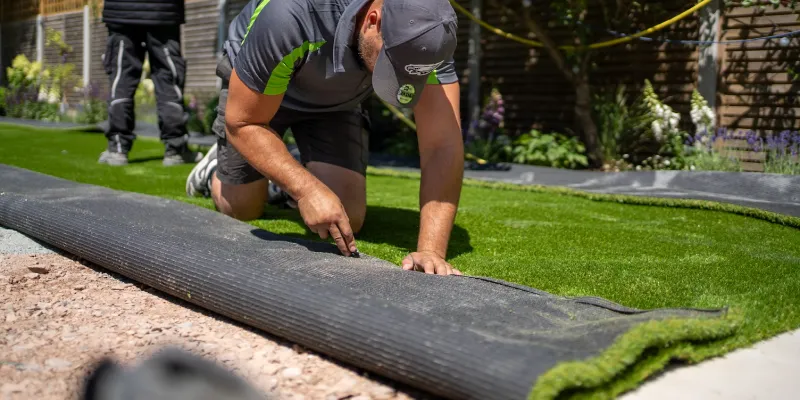
Proper drainage prevents moisture buildup that can worsen heat retention. The right base materials improve airflow beneath the surface. Even infill distribution matters — uneven areas can trap heat.
A well-installed lawn performs better in every season, including summer.
Best Artificial Grass for Hot Climates (Buyer’s Checklist)
If you live somewhere with strong summer sun, choosing the right product matters. Use this quick checklist before buying.
Fiber material
Look for high-quality polyethene. It tends to stay cooler and feel softer underfoot compared to cheaper polypropylene options.
UV rating
Choose grass with strong UV stabilisation. This won’t just protect colour, it helps the fibres handle prolonged sun exposure without degrading.
Infill compatibility
Make sure the turf works well with cooling infill options like zeolite or acrylic-coated sand. Avoid systems that rely heavily on crumb rubber in hot climates.
Pile Height
Moderate pile height often performs better in heat. Extremely tall, dense turf can trap warmth longer, especially if airflow is limited.
Warranty
A solid manufacturer’s warranty shows confidence in long-term performance. In hot regions, durability matters just as much as appearance.
If a product ticks all five boxes, you’re starting from a much better place.
And as a leading synthetic grass supplier and installer in London, we focus on products that meet these exact standards.
Our grass ranges are selected for heat performance, durability, and long-term reliability, with warranties of 12+ years and an expected lifespan of up to 20 years when properly installed and maintained.
Choosing the right grass from the start makes all the difference, especially in warmer months.
Common Myths About Artificial Grass and Heat
There’s a lot of exaggeration around this topic.
Let’s clear a few things up.
“It melts in summer”
Artificial grass doesn’t melt under normal sunlight. It’s designed to handle high temperatures.
Melting typically only happens with extreme, concentrated reflection from low-quality glass or mirrors, not standard sun exposure.
“It’s dangerous for kids”
Heat can make the surface uncomfortable during peak sun, but it’s not inherently dangerous when managed properly. Shade, rinsing, and good product selection reduce risk significantly.
“You can’t walk on it barefoot”
You can, just not at peak midday heat on a blazing summer day. Early mornings, evenings, or shaded areas are usually comfortable. Like any sun-exposed surface, timing makes a difference.
Final Verdict: Is Artificial Grass Worth It in Hot Weather?
Yes, artificial grass can get hot in direct summer sun. But in most cases, it’s manageable with the right product, proper installation, and simple cooling steps like shade or rinsing.
The key is planning. Choose heat-conscious materials, avoid heat traps, and make sure the area has decent airflow. Do that, and surface temperature becomes a factor — not a flaw.
If you’re unsure what will work best in your garden, book a free survey with our team.
We’ll assess your space, recommend the right premium-quality grass for your needs, and provide a tailored quote.
Our ranges are UV-stable, built for durability, and come with warranties and long life expectancy.
So if you have the right grass and it is installed properly, it works wonderfully, even in hot weather.
Frequently Asked Questions
How to stop artificial grass from getting hot?
Rinse it with water, add shade structures, use heat-resistant grass, and choose cooling infill. Improving airflow and avoiding heat-trapping surfaces also helps.
Is it okay to lay turf in October?
Yes. Cooler months can actually make installation easier, and turf will settle well before the next hot season. Just ensure proper drainage and base preparation.
Does all fake grass get hot in the sun?
Yes, all artificial grass absorbs heat to some extent. The difference is how fast it warms up and how long it stays hot, which depends on fibre type, colour, and infill.
Can you get artificial grass that doesn't get hot?
No turf stays completely cool. Look for “heat-reducing” or UV-stabilised options — they stay cooler than standard turf but won’t eliminate heat entirely.
Does artificial grass get too hot in summer?
It can, especially in direct sun and on darker, dense surfaces. With the right product, infill, and maintenance, it’s usually comfortable enough for adults and pets.
How to stop fake grass from getting hot?
Spray with water, add shade, pick lighter fibres, and choose cooling infill. Also, keep airflow open and avoid heat-reflecting surfaces nearby.
Is artificial grass too hot for dogs?
Surface temperature matters. Use the back-of-hand test: if it’s uncomfortable for you, it’s too hot for pets. Shade, water, and cooling infill make it safer for dogs.
How to make artificial grass less hot?
Combine multiple strategies: water rinsing, shade, heat-resistant turf, cooling infill, proper installation, and maintaining airflow. These steps reduce heat buildup effectively.