
If you’re thinking about installing artificial grass, or you already have it, weeds are probably one of your biggest concerns.
You might be wondering whether weeds can grow through the surface, whether you’ll still need to pull them out, or whether artificial grass actually solves the problem for good.
Some people are told it’s completely weed-proof. Others hear stories about weeds pushing straight through the lawn.
The truth sits somewhere in the middle.
Yes, weeds can appear in artificial grass, but they rarely grow through it when the lawn is installed correctly.
Artificial grass dramatically reduces weed growth, but it doesn’t make a garden immune to every possible source of weeds.
In this post, you’ll learn what actually happens with weeds in artificial lawns, why most weed problems are caused by installation or maintenance issues rather than the grass itself, and the practical steps you can take to stop weeds from becoming a recurring problem.
- So… Is Artificial Grass Truly Safe for Children?
- What Makes Artificial Grass Safe for Children?
- How to Create a Child-Safe Artificial Grass Play Zone
- FAQs: What Every Parent Wants to Know
- Can kids play barefoot on artificial grass?
- Will artificial grass give my child rug burns?
- What if my child spills food or gets sick on the grass?
- Is it safe for babies and toddlers?
- Does artificial grass smell?
- Is it safe under the playground equipment?
- Will it help with allergies?
- Does artificial grass get too hot in summer?
Table of Contents
ToggleDo Weeds Grow Beneath Artificial Grass or Only on the Surface?
This is one of the most common points of confusion.
There’s an important difference between weeds growing through artificial grass and weeds growing on top of it, and understanding that difference explains why most artificial lawns stay largely weed-free.
Through-growth vs surface growth
- Through-growth means weeds pushing up from the soil below, breaking through the backing and fibres
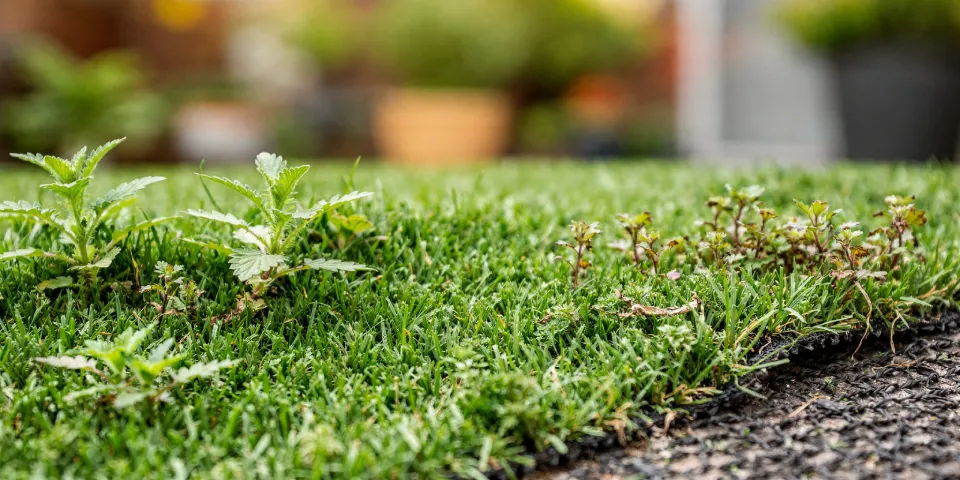
- Surface growth means weeds rooting in dust, organic debris, or material sitting on top of the grass
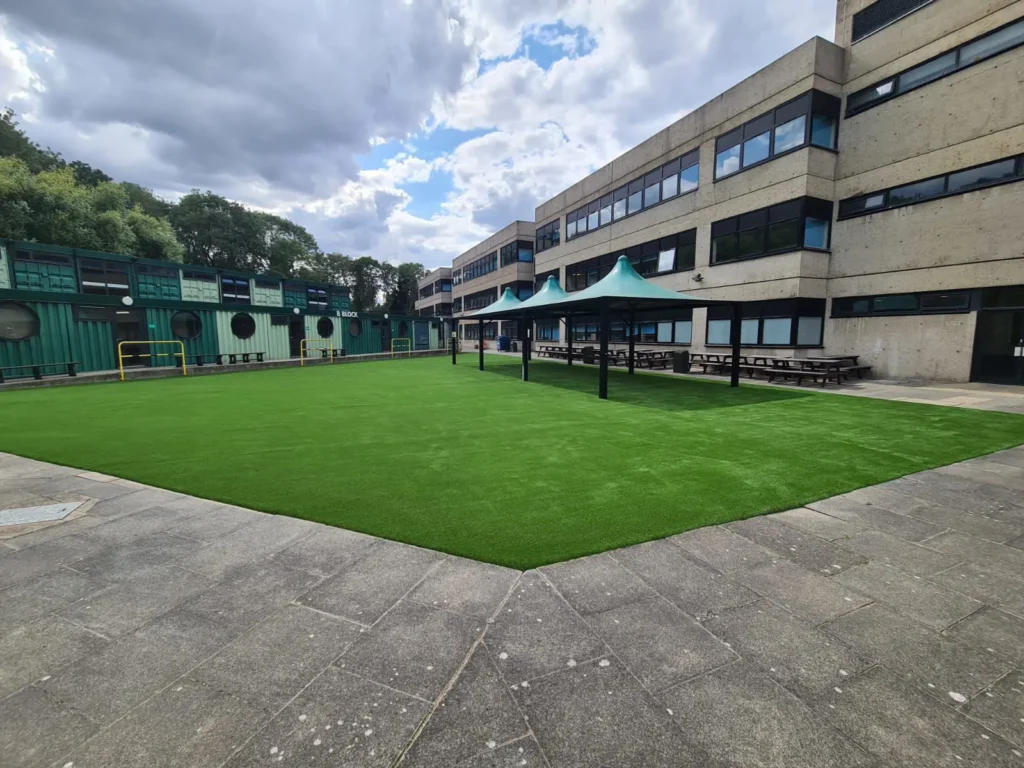
In well-installed artificial grass, almost all weeds that appear are surface weeds rather than those that grow from underneath.
Why true “through-growth” is rare with proper installation
A properly installed artificial lawn removes the conditions that weeds need to grow from below.
Good installation includes a weed-resistant membrane, a compacted sub-base, and no exposed soil. Without light, loose ground, and space to root, most weeds simply cannot establish themselves beneath the grass.
When weeds seem to be “coming through” artificial grass, it’s usually because:
- Seeds have settled in debris on the surface
- Edges or joins have been left weak or exposed
- The base beneath the lawn wasn’t prepared correctly
In these cases, the weeds aren’t forcing their way through the grass. They’re growing where conditions allow them to.
Quick myth-busting
-
Artificial grass is weed-proof
Artificial grass is weed-resistant, not completely weed-proof. -
Weeds grow through artificial grass just like natural lawns
True through-growth is uncommon and usually linked to poor installation. -
Any weed means the lawn has failed
Occasional surface weeds are normal and easy to manage.
When installed properly, artificial grass turns weeds from a constant problem into an occasional, manageable one.
Also Read: Different Types of Artificial Grass Explained: How to Choose the Right Turf
How to Stop Weeds From Coming Through Artificial Grass
Stopping weeds in artificial grass is less about constant treatment and more about getting the basics right from the start.
When installation and upkeep are handled properly, weeds become rare and easy to deal with rather than an ongoing frustration.
Here’s what actually makes the difference.
1. Install a Weed-Resistant Membrane
A weed-resistant membrane is one of the most important layers in an artificial lawn.
It sits between the soil and the sub-base, blocking light while still allowing water to drain through. Without this layer, weeds can take advantage of moisture and gaps beneath the grass, especially over time.
A good-quality membrane helps prevent deep-rooted weeds from establishing beneath the surface. Cheaper or damaged membranes, or skipping this step entirely, significantly increase the risk of weeds appearing later on.
2. Build a Strong, Well-Compacted Sub-Base
The sub-base provides both stability and weed protection.
A properly built base uses free-draining materials such as crushed stone or MOT Type 1, compacted in layers to create a firm, level foundation. This removes loose soil and eliminates the space weeds need to take hold.
When the base is too thin, uneven, or poorly compacted, small voids can form. Over time, these weak spots allow moisture, debris, and roots to find their way in.
A solid sub-base doesn’t just improve drainage and durability. It also makes it far harder for weeds to survive beneath the lawn.
3. Secure Edges and Seams Properly
Edges, joins, and seams are the most common entry points for weeds.
If the grass isn’t secured tightly along borders or if seams are poorly joined, tiny gaps can form. These gaps allow light, moisture, and wind-blown seeds to reach the layers beneath the turf.
Proper installation includes solid edge restraints, carefully bonded joins, and secure fixings around the entire perimeter. When these details are handled well, weeds have very little opportunity to establish themselves.
4. Keep the Surface Clean and Brushed
Most weeds that appear in artificial grass start on the surface, not underneath it.
Leaves, dust, soil, and organic debris can settle between the fibres over time. If this material is left to build up, it creates a thin growing layer where seeds can germinate.
Occasional brushing keeps the fibres upright and removes debris before it becomes a problem. Light rinsing also helps wash away fine dust, particularly in shaded or sheltered areas.
This kind of maintenance is minimal compared to natural grass, but it plays a big role in keeping weeds away.
5. Use Preventative Treatments When Needed
In some environments, extra prevention can help.
Gardens surrounded by trees, exposed to strong winds, or located in damp, shaded areas may benefit from occasional preventative treatments. Artificial-grass-safe weed control products can stop surface weeds before they establish.
These treatments should be used sparingly and only when necessary. Overuse isn’t required and doesn’t replace proper installation or basic upkeep.
When the groundwork is right and the surface is kept clean, preventative treatments become a backup rather than a routine requirement.
Recommended Read: Artificial Grass vs Real Grass: Which Is Better in 2026?
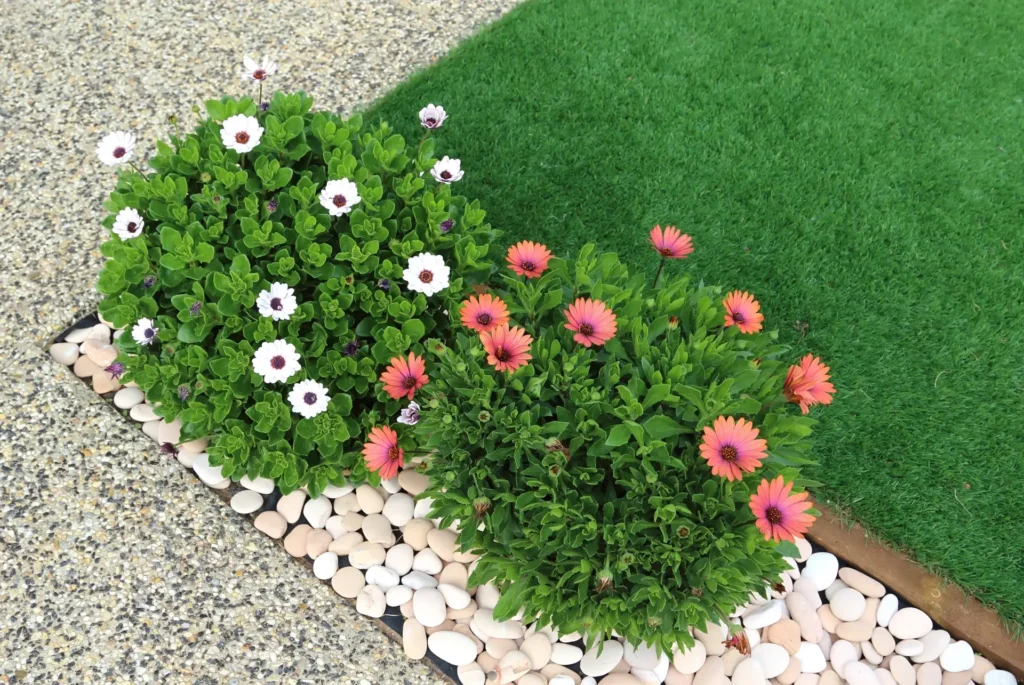
Why Weeds Sometimes Appear in Artificial Lawns
Even with artificial grass, gardens remain outdoor environments. Weeds don’t disappear completely, but when they do show up, there’s usually a clear reason behind it.
Understanding why weeds appear makes it much easier to prevent them from becoming a repeated issue.
Wind-Blown and Bird-Deposited Seeds
The most common source of weeds in artificial lawns is airborne seeds.
Seeds are carried by wind, dropped by birds, or brought in from surrounding areas such as flower beds, fences, or neighbouring gardens. Once they land, they settle wherever there’s enough moisture and material to germinate.
Artificial grass doesn’t stop seeds from landing on the surface. What it does stop is deep rooting. Without soil beneath them, most seeds struggle to survive unless conditions are just right.
Organic Debris Creating a Growing Medium
Over time, small amounts of organic debris can collect between the fibres.
Fallen leaves, pollen, dust, soil particles, and general garden debris slowly break down and form a thin layer on the surface. This material can act as a temporary growing medium for weeds, especially in shaded or damp areas.
This is why surface weeds are more common in corners, along edges, or under trees where debris tends to gather.
Regular light maintenance prevents this buildup and removes the conditions weeds need to take hold.
Weak Borders, Joins, and Edges
Weeds often appear where artificial grass meets something else.
Poorly secured edges, weak joins, or exposed borders allow light and moisture to reach areas beneath the turf. These gaps create ideal entry points for weeds, particularly along fences, walls, or garden borders.
Once established at the edges, weeds can give the impression they’re growing through the grass when they’re actually exploiting a structural weak spot.
Strong edging and secure joins close off these access points and dramatically reduce weed risk.
Poor Ground Preparation Beneath the Turf
Ground preparation is the foundation of weed control.
If existing grass, roots, or soil aren’t removed properly before installation, weeds can survive beneath the surface. Over time, they may find paths upward through weak spots or edges.
Skipping a weed membrane, using the wrong base materials, or failing to compact the sub-base properly all increase the chances of weeds appearing later.
When preparation is done correctly, the environment beneath the grass becomes hostile to weed growth, making long-term problems unlikely.
Related Read: How To Clean Artificial Grass: The Only Guide You Need
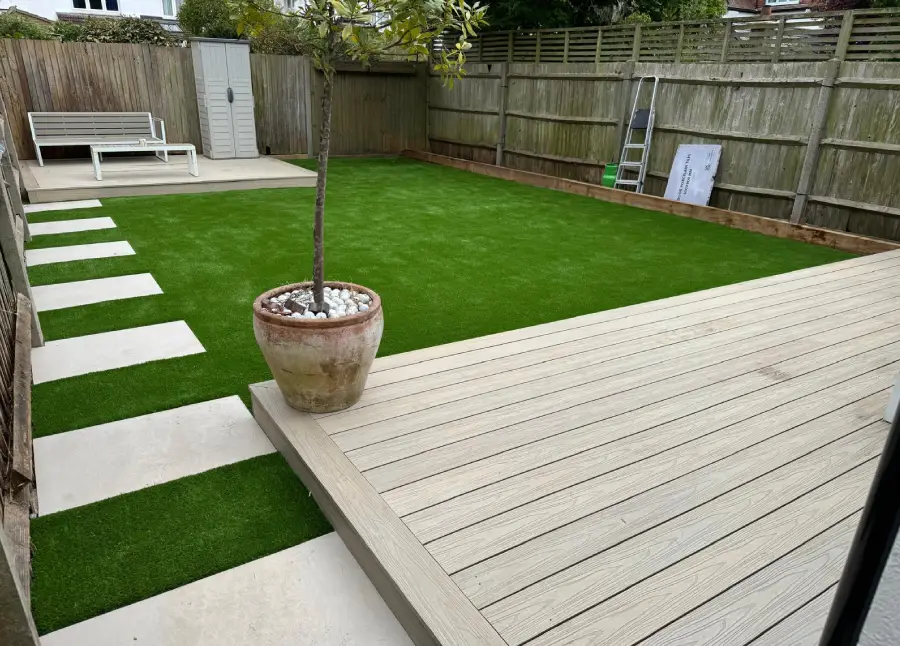
Safe and Effective Ways to Remove Weeds
Once you understand why weeds appear in artificial lawns, dealing with them becomes much more straightforward.
Because most weeds grow on the surface rather than from underneath, removal is usually simple and doesn’t require aggressive treatments. The goal is to eliminate the weed without damaging the fibres or disrupting the base beneath the grass.
Here are the safest and most effective options.
1. Manual Removal
For occasional weeds, manual removal is often all that’s needed.
Surface weeds tend to have shallow roots, which makes them easy to pull out by hand. Removing them early prevents them from dropping seeds and spreading further.
This approach works best when the surface is dry, and debris is kept to a minimum. It’s quick, targeted, and avoids introducing chemicals into the garden.
2. Hot Water Treatment
Hot water is an effective, low-impact way to kill surface weeds.
Pouring boiling water directly onto the weed destroys the plant tissue and root without affecting the artificial grass itself. Because artificial grass fibres are designed to handle heat from sunlight, brief contact with hot water won’t cause damage.
This method works well for isolated weeds and areas where chemical treatments aren’t desirable, such as family gardens or pet areas.
3. Natural Solutions (Vinegar-Based)
Vinegar-based solutions can also be used to control surface weeds.
These work by drying out the plant, causing it to die back. They’re most effective on young weeds and should be applied carefully to avoid unnecessary contact with surrounding plants.
It’s important to note that vinegar treatments affect what they touch. They don’t prevent future growth and won’t solve underlying issues such as debris buildup or weak edges. Used occasionally, they can be a helpful part of surface weed control.
4. Artificial-Grass-Safe Weedkillers
In some cases, a targeted weedkiller may be the most practical option.
Artificial-grass-safe products are designed to kill weeds without harming synthetic fibres or affecting drainage. These are especially useful for larger areas or recurring surface growth.
The key is moderation. Weedkillers should be used sparingly and as a backup rather than a routine solution. If weeds keep returning, it’s usually a sign that debris, edging, or installation quality needs attention.
When removal methods are chosen carefully and paired with good maintenance, weeds stop being a recurring problem and become an occasional task.
Latest Read: How Much Does Artificial Grass Cost in London? 2026 Updated
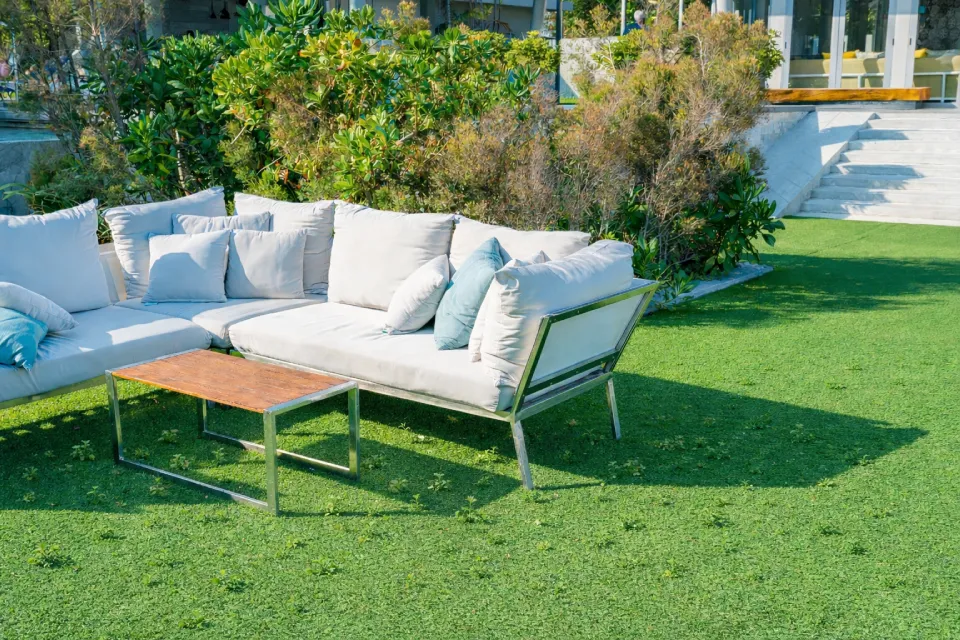
Seasonal Conditions That Encourage Weed and Moss Growth
Even when artificial grass is installed and maintained correctly, certain seasonal conditions can make weeds or moss more noticeable.
This doesn’t mean something has gone wrong. It usually reflects changes in moisture, light, and airflow.
Understanding what’s normal helps you spot the difference between harmless seasonal growth and a genuine issue that needs attention.
Winter moisture
Winter creates ideal conditions for surface growth.
Higher rainfall, slower evaporation, and limited sunlight mean moisture lingers for longer periods. In shaded or sheltered areas, this can encourage moss or small surface weeds, particularly where fine debris has settled between the fibres.
Artificial grass itself isn’t affected by cold or wet weather, but moisture sitting on organic material can create short-term growth.
This is common during winter and early spring and usually clears once conditions dry out.
Shade and drainage
Shaded areas are more prone to weeds and moss than open, sunny spaces.
Limited sunlight slows drying and allows moisture to remain on the surface. When combined with poor airflow or slow drainage beneath the lawn, this creates a favourable environment for moss and surface weeds.
This doesn’t automatically mean the drainage has failed. However, if areas remain wet long after rainfall stops, it’s worth checking that the base beneath the grass is still draining effectively.
What’s normal vs a warning sign
Some seasonal growth is normal.
A few small weeds or patches of moss appearing during wet, cold months are usually surface-level and easy to remove.
Warning signs include persistent dampness, spreading growth, soft areas underfoot, or weeds repeatedly appearing in the same spots. These point to issues such as debris buildup, weak edges, or drainage limitations that should be addressed.
Seasonal changes may highlight these issues, but they’re rarely the root cause themselves.
Choosing the Right Products for Artificial Lawns
When products are needed, choosing the right ones matters. Artificial grass requires a different approach than natural turf, and using unsuitable chemicals can do more harm than good.
Suitable weedkiller types
Products designed for hard surfaces or artificial lawns are the safest option.
These weedkillers target surface growth without affecting synthetic fibres or drainage. They’re typically fast-acting and don’t rely on soil absorption, which makes them well-suited to artificial grass environments.
Spot treatments work better than blanket applications and reduce unnecessary chemical use.
Pet-and child-safe options
Many artificial lawn owners choose synthetic grass for family-friendly gardens, so safety is a priority.
Pet- and child-safe weed treatments are widely available and effective when used as directed. These products are designed to break down quickly and minimise residue on the surface.
Regardless of the product used, it’s best to keep pets and children off the lawn until the area is dry.
Products and chemicals to avoid
Not all weedkillers are suitable for artificial grass.
Avoid oil-based chemicals, staining agents, or products designed to be absorbed into soil. These can discolour fibres, leave residue, or interfere with drainage.
Strong bleach solutions and harsh household chemicals should also be avoided. While they may kill weeds, they can damage the lawn’s appearance and shorten its lifespan.
Using the right products, sparingly and correctly, supports long-term performance without compromising safety or appearance.
Common Mistakes That Lead to Weed Problems
By the time weeds start appearing regularly in artificial grass, the issue is usually not the grass — it’s a small mistake made earlier that’s now showing up.
These are the most common problems we see.
Skipping the Weed Membrane
Not installing a weed-resistant membrane is one of the biggest causes of long-term weed issues.
Without it, light and moisture can reach the soil beneath the lawn, giving weeds the opportunity to survive and push upwards over time. Even if weeds don’t appear immediately, they often show up months or years later once conditions change.
A membrane isn’t optional if weed control is a priority — it’s a core part of the system.
Thin or Uneven Sub-Base
A sub-base that’s too thin or poorly levelled creates weak points beneath the grass.
These areas can settle, hold moisture, or allow organic material to collect, all of which increase the risk of weeds establishing themselves. An uneven base also makes edges and seams more vulnerable over time.
Depth, material choice, and proper compaction all matter here. Cutting corners almost always leads to problems later.
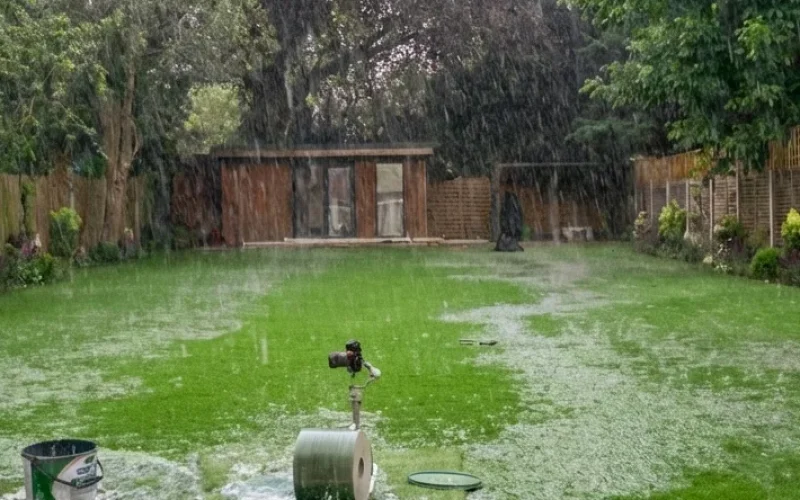
Poor Drainage
Drainage issues don’t just cause puddles — they also encourage weed and moss growth.
When water can’t move away from the surface efficiently, moisture lingers. Combined with debris or shade, this creates ideal conditions for surface growth, especially during colder months.
Artificial grass highlights drainage problems rather than hiding them, which is why correct groundwork is essential from the start.
Neglected Maintenance
Artificial grass is low maintenance, not no maintenance.
Allowing leaves, dirt, and organic debris to build up over time creates a growing layer on the surface. Once that happens, weeds have everything they need to take hold.
Occasional brushing and light cleaning prevent most weed issues before they start.
Related Read: Common Artificial Grass Installation Mistakes and How to Avoid Them
Get Your Weed-Resistant Artificial Grass Installed Properly
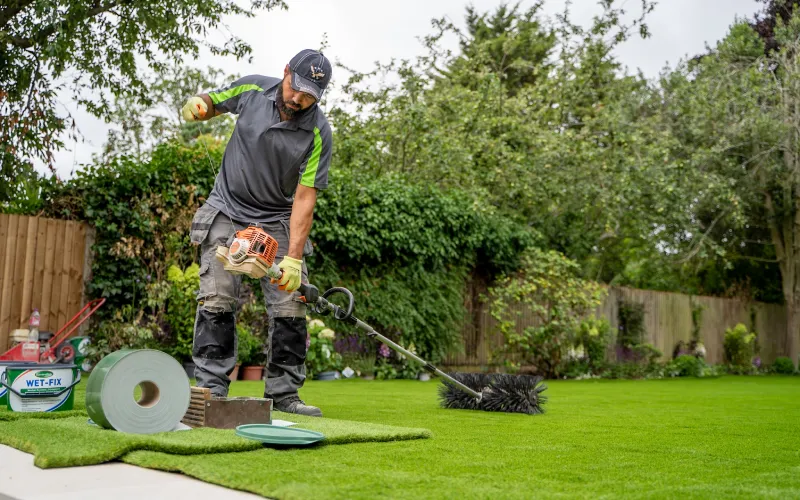
If you want to minimise weed problems long term, installation quality matters more than anything else.
A professionally installed artificial lawn includes proper ground preparation, a strong sub-base, secure edges, and effective drainage, all of which significantly reduce the chances of weeds appearing later.
If you’re ready to move forward, the first step is arranging a free survey visit.
By assessing your garden in person, installers can accurately evaluate ground conditions, drainage, access points, and layout before recommending the right turf and installation method.
This ensures the solution fits your space rather than relying on assumptions.
It’s also worth asking about waste removal, guarantees, and viewing previous installations so you can compare quality as well as price.
At Superior Lawn, we make the process straightforward by offering a free survey visit, followed by a clear, tailored quote based on your garden’s exact requirements.
Frequently Asked Questions
Can weeds grow through artificial grass in winter?
Weeds are unlikely to grow through artificial grass in winter if the lawn has been installed correctly. However, winter conditions can make surface weeds or moss more noticeable.
Higher rainfall, reduced sunlight, and slower drying times allow moisture to linger, especially in shaded areas. If organic debris has built up on the surface, this can create a temporary growing layer. These weeds usually sit on top of the grass and are easy to remove.
What is the best weedkiller for artificial grass?
The best option is a weedkiller designed for artificial lawns or hard surfaces.
These products target surface weeds without damaging the fibres or affecting drainage. Spot treatments work better than blanket applications and reduce unnecessary chemical use.
Avoid soil-absorbing or oil-based weedkillers, as these aren’t suitable for artificial grass.
How to treat weeds in artificial grass?
Treatment depends on how the weeds are growing.
For isolated surface weeds, manual removal or hot water is often enough. Vinegar-based solutions or artificial-grass-safe weedkillers can be used for larger areas or recurring growth.
If weeds keep returning in the same spots, it’s worth checking for debris buildup, weak edges, or drainage issues rather than relying on repeated treatments.
How to remove weeds from artificial grass with vinegar?
Vinegar-based solutions work by drying out the weed.
Apply directly to the weed on a dry day, avoiding surrounding plants. This method is most effective on young, surface-level weeds and won’t prevent future growth if debris or moisture remains.
Vinegar should be used occasionally, not as a long-term solution.
Can I use Roundup on artificial grass?
Some versions of Roundup can be used on artificial grass, but it’s important to check the label carefully.
Only non-residual, hard-surface formulations should be considered. Avoid products designed to soak into soil or prevent regrowth for extended periods, as these aren’t necessary and may leave residue.
Always follow manufacturer instructions and keep pets and children off the area until it’s dry.
How to get rid of moss and weeds from artificial grass?
Moss and weeds usually form where moisture and debris build up.
Start by brushing and removing organic material from the surface. Hot water or artificial-grass-safe treatments can then be used to kill remaining growth.
If moss keeps returning, it may indicate shade, poor airflow, or slow drainage that needs addressing.
How do you stop weeds from coming through artificial grass?
The most effective way is proper installation and basic maintenance.
This includes using a weed-resistant membrane, building a strong, well-compacted sub-base, securing edges and seams, and keeping the surface clean. When these elements are in place, weeds rarely become a recurring problem.