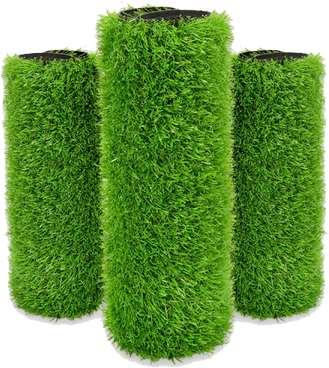

Choosing artificial grass is easy.
But choosing the right artificial grass company is where most problems begin.
In London, many artificial grass complaints have nothing to do with the turf itself.
They come from poor installation decisions, rushed groundwork, or companies that don’t understand how London properties actually behave over time.
Smaller gardens, heavier foot traffic, limited access, and challenging drainage conditions necessitate a different approach to artificial grass installation in London compared to generic UK installations.
This guide explains what to look for in an artificial grass installation company, the common problems London homeowners face, and how to avoid costly mistakes before they happen.
- So… Is Artificial Grass Truly Safe for Children?
- What Makes Artificial Grass Safe for Children?
- How to Create a Child-Safe Artificial Grass Play Zone
- FAQs: What Every Parent Wants to Know
- Can kids play barefoot on artificial grass?
- Will artificial grass give my child rug burns?
- What if my child spills food or gets sick on the grass?
- Is it safe for babies and toddlers?
- Does artificial grass smell?
- Is it safe under the playground equipment?
- Will it help with allergies?
- Does artificial grass get too hot in summer?
Table of Contents
ToggleWhy Choosing a London-Based Artificial Grass Company Matters
London gardens are not typical.
Soil conditions vary widely across the city, but clay-heavy ground is common, especially in older residential areas. Without the right base preparation, drainage problems show up quickly.
Water has nowhere to go, moisture gets trapped, and smells or soft spots develop.
Garden size is another factor. Many London properties have compact gardens, terraces, courtyards, or shared access routes.
These spaces leave little margin for error. Poor levelling or rushed groundwork becomes visible almost immediately once the turf is laid.
Access is often underestimated. Side alleys, stairs, parking restrictions, and limited working space all affect how materials are delivered, how waste is removed, and how the base is built.
Companies that install artificial turf nationally often price jobs remotely and only discover these issues after work starts.
That’s when corners get cut.
A local artificial grass company that regularly works across London understands these constraints before installation begins.
Surveys are more accurate, groundwork is planned properly, and the finished lawn is built for long-term stability, not just how it looks on day one.
Latest Read: Artificial Grass vs Real Grass: Which Is Better in 2026?
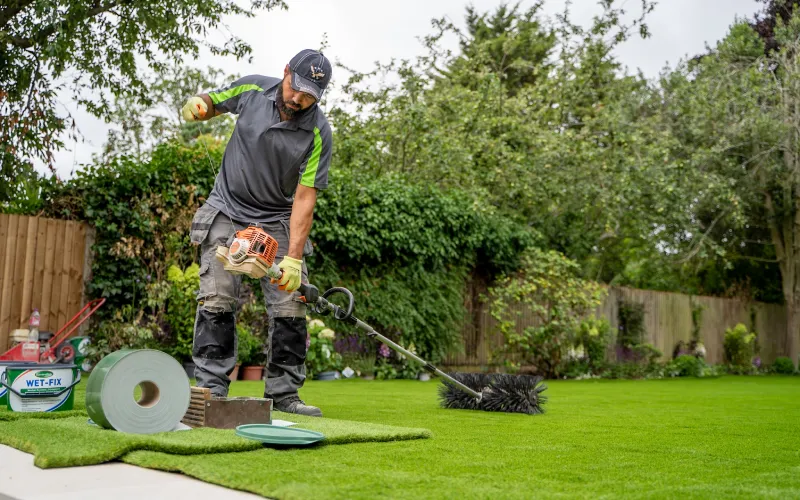
What to Look for in a Reputable Artificial Grass Company in London
Not all artificial grass companies operate the same way. In London, the difference usually shows up in how problems are prevented, not how they’re fixed later.
Proven experience across London boroughs
A company that regularly installs artificial grass across London understands that conditions change from area to area.
Soil composition, drainage behaviour, access routes, and garden layouts can vary significantly between boroughs.
This experience helps installers anticipate issues before work starts, rather than reacting to them mid-installation.
Companies without local experience often rely on generic methods that don’t account for these differences, leading to avoidable problems later.
In-house installation teams, not subcontractors
Consistent results usually come from teams that work together regularly.
When companies rely on subcontractors, standards can vary from job to job. Installation methods, attention to detail, and finishing quality often depend on who turns up on the day.
In-house teams follow the same processes across every installation.
They’re trained to handle groundwork, drainage, joins, and edging to a consistent standard, which improves long-term performance, not just appearance on day one.
Must Read: How to Lay Artificial Grass (The Complete Step-by-Step Guide)
A proper on-site survey before quoting
Accurate pricing and planning depend on seeing the space in person.
An on-site survey allows installers to assess drainage conditions, ground levels, access limitations, and the amount of excavation required. These factors can’t be judged reliably from photos or rough measurements.
Surveys also help identify potential complications early, reducing the risk of delays, cost changes, or compromised installation decisions once work has started.
Transparent, itemised pricing
A reliable quote should clearly explain what’s included.
This normally covers excavation depth, sub-base materials, drainage preparation, turf supply, installation, and waste removal. When pricing is vague, it often means parts of the groundwork are being reduced or skipped entirely.
Transparent pricing makes it easier to compare like-for-like and understand where corners may be cut.
It also protects homeowners from unexpected additions once the installation is underway.
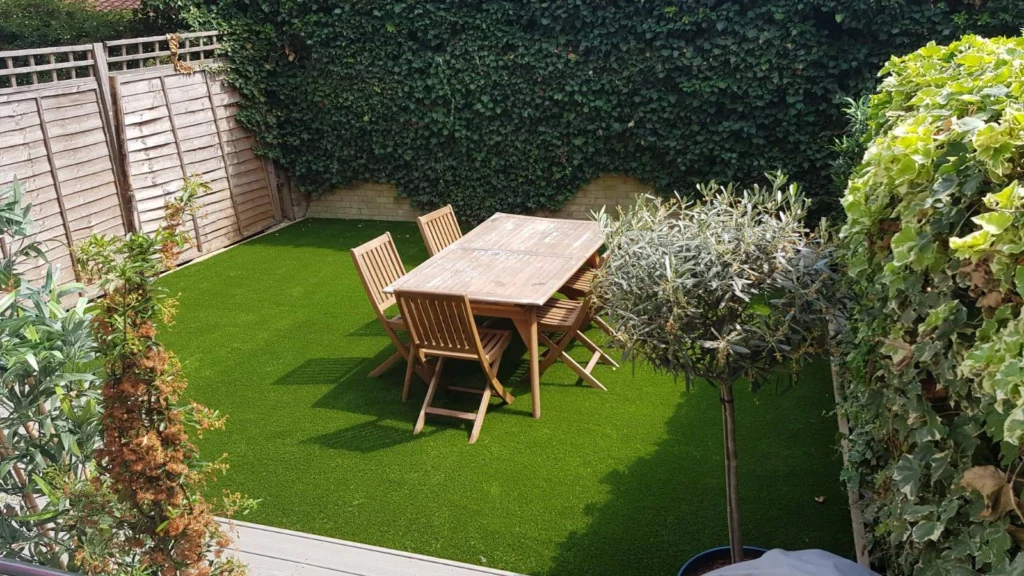
Real London project examples and reviews
Genuine before-and-after photos and local reviews show how a company’s work performs in real London gardens, not ideal setups.
Borough-based projects demonstrate experience with access restrictions, drainage challenges, and space limitations common across the city.
On-site photos are more valuable than staged images. They show base preparation, edges, joins, and how the lawn settles over time.
Local proof is often the strongest indicator of reliable workmanship.
Clear warranties on both turf and installation
Warranties only matter if they cover the right things.
Turf warranties protect against manufacturing defects. They don’t cover poor groundwork, drainage failure, or movement under the surface. That responsibility sits with the installer.
An installation guarantee shows confidence in how the base, joins, and fixings are carried out. In London, where ground conditions quickly expose weak workmanship, this distinction is especially important.
Artificial Grass Quality That Works in London
Not all artificial grass performs the same way once it’s installed. What works in one setting can fail quickly in a London garden if the turf isn’t suited to the conditions.
Drainage performance is critical. Artificial grass doesn’t absorb water, so rainfall must pass through the backing and into the base below.
Turf with poor drainage or inadequate perforation can trap moisture, especially when combined with clay-heavy soil. Over time, this leads to damp patches, odours, and surfaces that feel hard or unstable underfoot.
UV resistance also matters more than many people expect. London’s weather is inconsistent, with periods of strong sun followed by long stretches of cloud and rain.
Lower-quality fibres fade unevenly and lose resilience faster, leaving the lawn looking flat and worn far sooner than expected.
Pile height should match how the space is used. Longer piles may look soft at first, but in smaller gardens or high-traffic areas, they flatten quickly if the density isn’t right.
Shorter, denser turf often performs better in London gardens, holding its shape and appearance for longer.
Choosing the best quality artificial grass isn’t about chasing the thickest or most expensive option. It’s about selecting turf that suits the environment it will be used in.
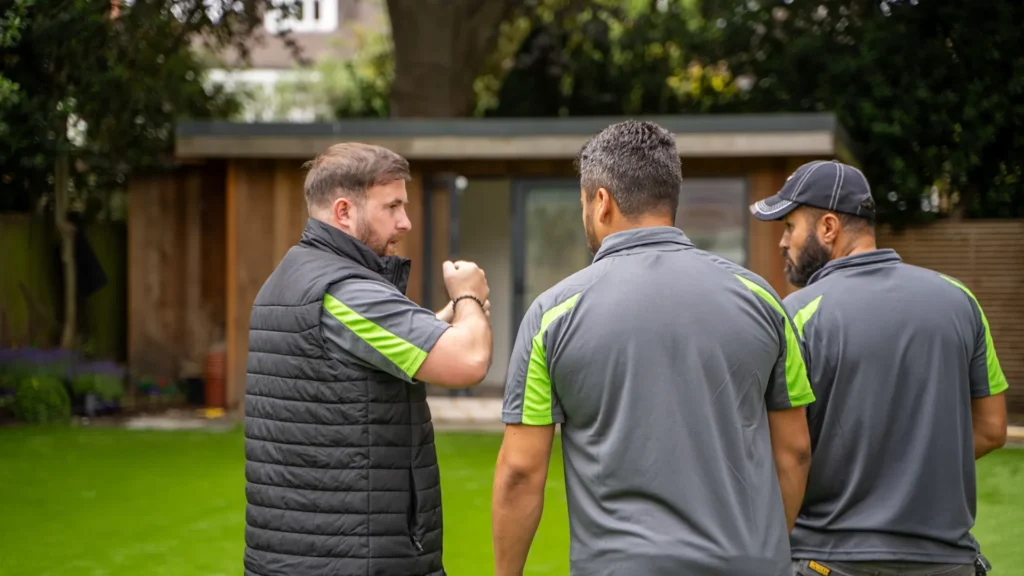
Why a Free Site Survey Is Essential in London
In London, accurate planning starts on site.
Access routes, drainage conditions, and ground levels are rarely clear from photos or measurements alone. Side alleys, shared paths, stairs, and parking restrictions all affect how materials are delivered and how groundwork is carried out.
These details directly influence both the installation process and the final cost.
A proper site survey allows an artificial grass installation company to assess drainage properly, check existing ground conditions, and plan the base depth and materials correctly.
It also helps identify potential issues early, before work begins.
Quoting without a survey often leads to changes once installation is underway. That’s when costs rise, timelines shift, and compromises are made.
A site survey isn’t about selling. It’s about avoiding surprises and ensuring the installation is planned properly from the start.
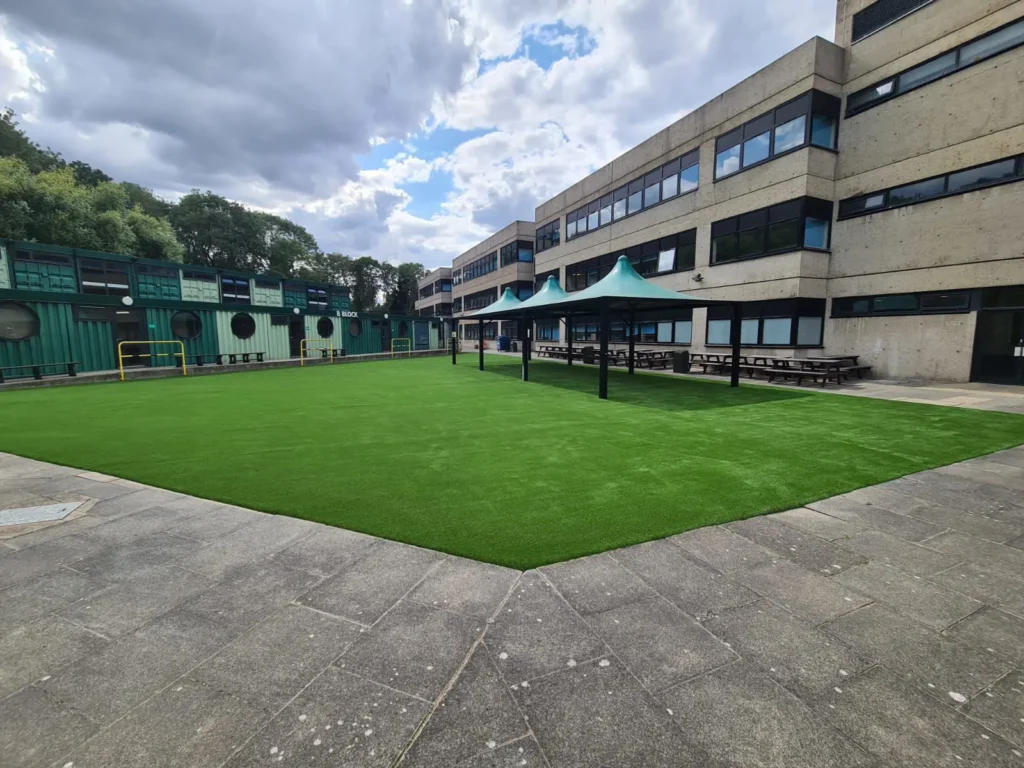
Artificial Grass Pricing in London – What’s Reasonable?
Artificial grass pricing in London reflects complexity, not just materials.
Restricted access, manual waste removal, and careful groundwork all increase labour time. Even small gardens can cost more if excavation, drainage, and levelling are done properly.
A proper quote should clearly cover excavation depth, sub-base materials, drainage preparation, turf supply, installation, and waste disposal.
If these details aren’t mentioned, they’re usually reduced or skipped.
Very low prices are rarely efficient. They often rely on shallow bases, poor drainage layers, or rushed installation, which leads to movement, smells, or early wear.
Fixing those issues later costs far more than doing it properly once.
Related Read: How Much Does Artificial Grass Cost in London? 2025
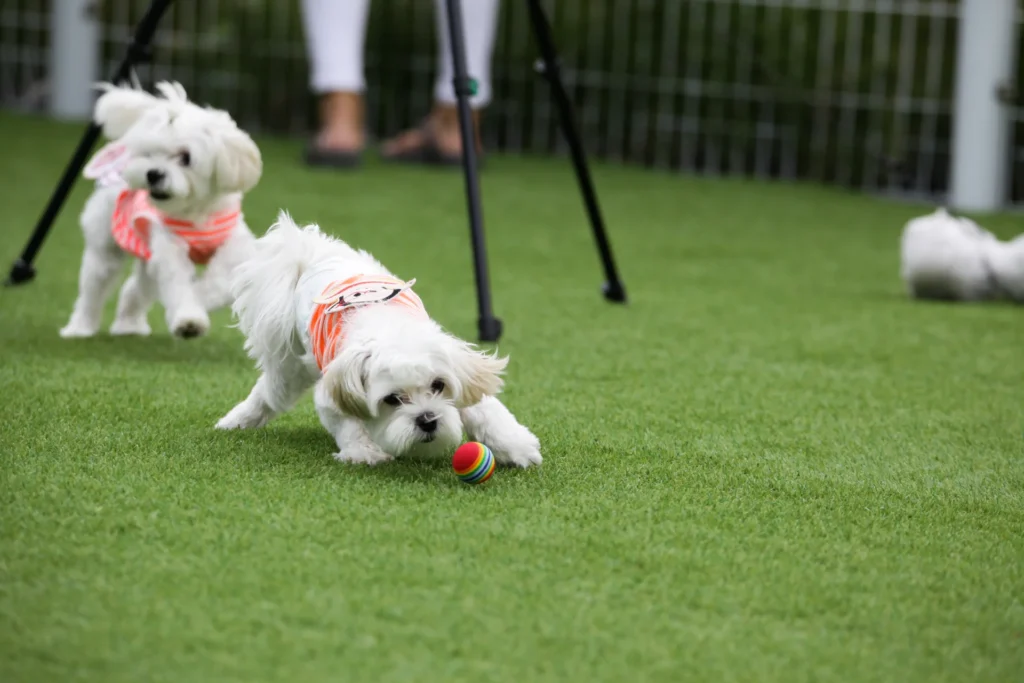
Eco-Friendly and Pet-Safe Artificial Grass for London Homes
Artificial grass should improve how a space is used, not create new problems.
Pet-safe turf uses non-toxic materials and allows urine to drain through efficiently. Without proper drainage design, smells build up regardless of turf quality.
Artificial grass also reduces water use and removes the need for fertilisers, weed killers, or treatments that run into drains. In urban environments, this has a real environmental benefit.
Responsible installers manage excavation waste properly and avoid shortcuts that leave soil, rubble, or debris buried beneath the lawn.
Recommended Read: Pros and Cons of Artificial Grass with Dogs (Dog Owner’s Guide 2025)
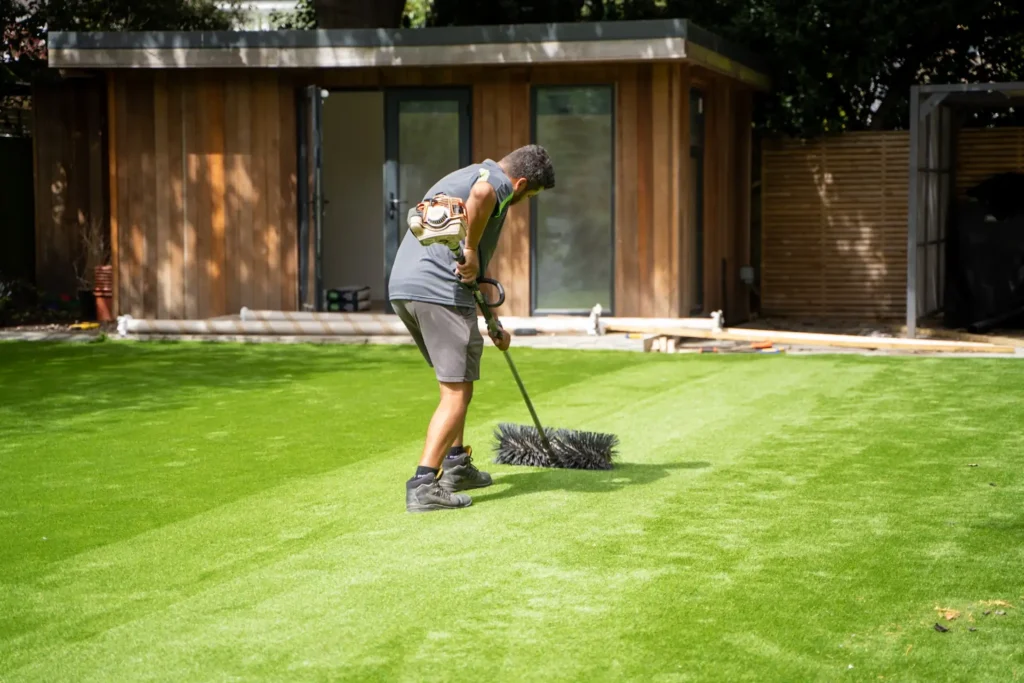
Final Checklist for Choosing the Best Artificial Grass Company in London
Before making a decision, it helps to step back and confirm a few key points. This checklist brings together everything that matters most for a long-lasting installation in London.
- Do they have proven experience installing across London?
- Are installations carried out by in-house teams?
- Will they carry out a proper on-site survey before confirming the price?
- Is there a clear plan for base preparation and drainage?
- Is the pricing transparent and itemised?
- Can they show real London projects and reviews?
- Does the warranty cover the installation, not just the turf?
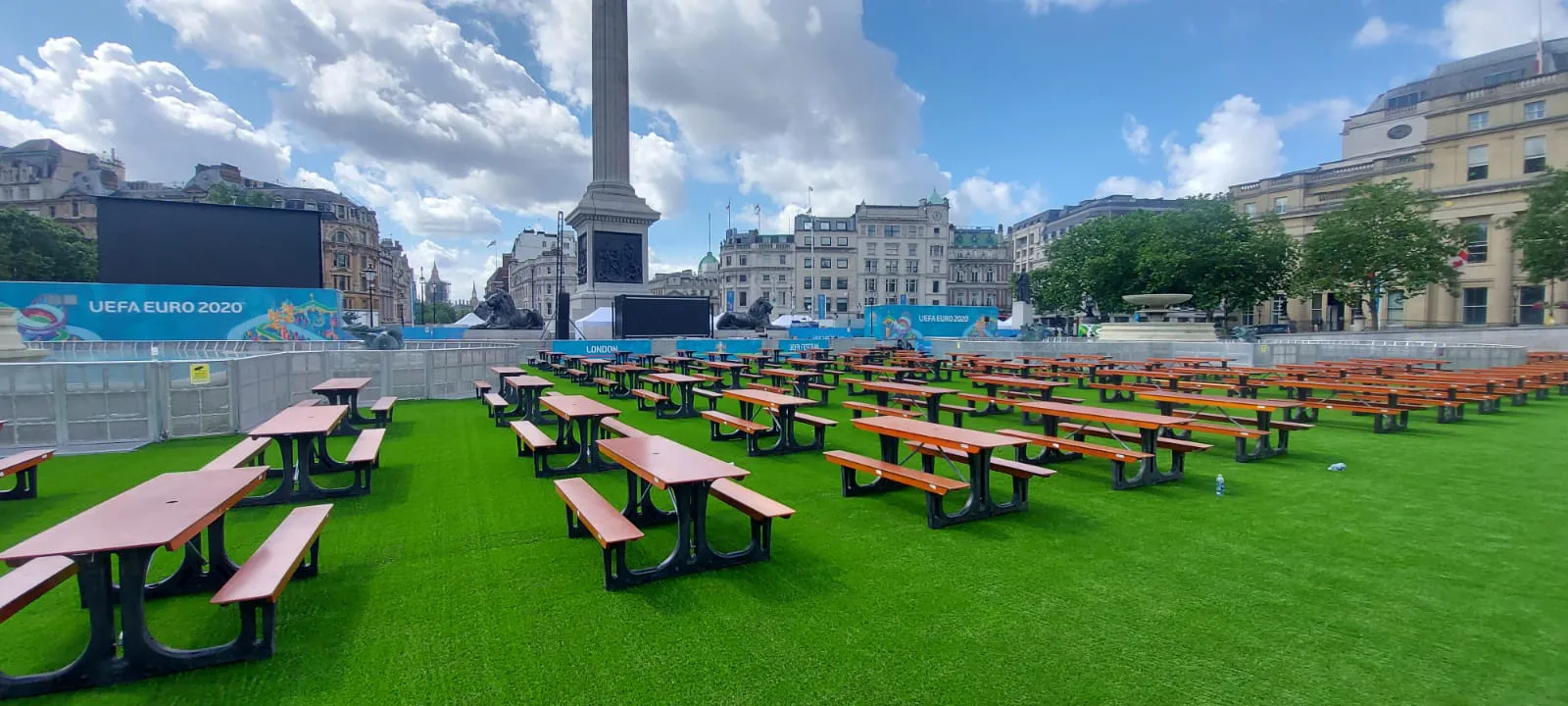
Enjoy a Low-Maintenance London Garden Year-Round with 20 Years of Life Expectancy
Artificial grass only delivers long-term results when it’s planned and installed correctly.
At Superior Lawn, the focus isn’t just on supplying turf.
It’s on understanding how the space will be used and building the base to support it properly.
Gardens, pets, balconies, and high-traffic areas all require different preparation, and those early decisions determine how the lawn performs over time.
We provide professional artificial grass installation across London, with attention given to groundwork, drainage, and long-term stability rather than short-term fixes.
If you’d like clear, practical advice before committing, a free London site survey allows the installation to be assessed properly and avoids costly mistakes later.
Frequently Asked Questions
How long does artificial grass last in London's conditions?
When installed correctly with proper groundwork and drainage, high-quality artificial grass can last 15–20 years in London. Most early failures happen due to poor base preparation rather than the turf itself.
Is artificial grass suitable for small London gardens and terraces?
It is, but smaller spaces require more precise installation. Limited access, tight edges, and uneven ground mean shortcuts show quickly. This is why professional installation matters more in compact London gardens.
Why do artificial grass prices vary so much in London?
Pricing differences usually come down to groundwork, access, and waste removal. Cheap quotes often reduce excavation depth or drainage layers, which leads to problems later. A higher upfront cost often prevents reinstallation.
Is artificial grass safe for pets in London homes?
Quality artificial grass is non-toxic and pet-safe. However, odour control depends on drainage design and aftercare. Poor installations trap moisture and cause smells, regardless of turf quality.