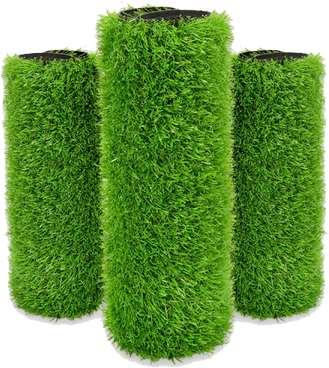

You’ve spent time and money installing artificial grass, expecting a lush, green, low-maintenance lawn.
But now, after every rain, your lawn feels soggy underfoot, water pools in patches, and certain areas even smell, especially where your dog plays.
It’s frustrating, unsightly, and makes you wonder if you made the wrong choice.
The truth is, most artificial lawn drainage problems aren’t caused by the grass itself. They come from the base or the drainage system beneath it.
A shallow or poorly compacted sub-base, blocked membranes, or pet activity can stop water from flowing, leaving your synthetic turf looking uneven and messy.
The good news?
These issues are usually fixable without tearing up your entire lawn.
And this guide will walk you through all this, from how to spot the signs and understand what’s causing the problem to what practical steps to take to get your artificial lawn draining properly again.
- So… Is Artificial Grass Truly Safe for Children?
- What Makes Artificial Grass Safe for Children?
- How to Create a Child-Safe Artificial Grass Play Zone
- FAQs: What Every Parent Wants to Know
- Can kids play barefoot on artificial grass?
- Will artificial grass give my child rug burns?
- What if my child spills food or gets sick on the grass?
- Is it safe for babies and toddlers?
- Does artificial grass smell?
- Is it safe under the playground equipment?
- Will it help with allergies?
- Does artificial grass get too hot in summer?
Table of Contents
ToggleSigns Your Artificial Grass Has Drainage Problems
Your artificial lawn should stay firm, dry, and comfortable, even after heavy rain. If it doesn’t, your artificial grass drainage system might be struggling.
Watch out for these common signs:
1. Water pooling after rain
If puddles sit on your lawn for hours, the drainage isn’t working properly. This can happen on soil, concrete, or decking, and it usually points to issues with the sub-base or the synthetic grass drainage system.
2. Mushy or soft patches
Areas that feel spongy underfoot often mean the base is poorly compacted or blocked. Even well-made artificial turf can develop these spots if drainage isn’t flowing correctly.
3. Bad smells, especially in dog areas
Drainage under artificial turf for dogs can get clogged with urine, debris, or organic matter. This causes unpleasant odours and can make parts of your lawn uncomfortable to use.
4. Uneven or sinking areas
If your lawn dips or feels soft in certain spots, the sub-base may have shifted or settled. Water will naturally collect there, worsening the drainage problem.
5. Moss or algae growth
Standing water encourages moss or algae, whether your artificial grass is on soil or concrete. This is a clear sign that your artificial grass drainage system isn’t effective.
Catching these issues early makes them much easier to fix.
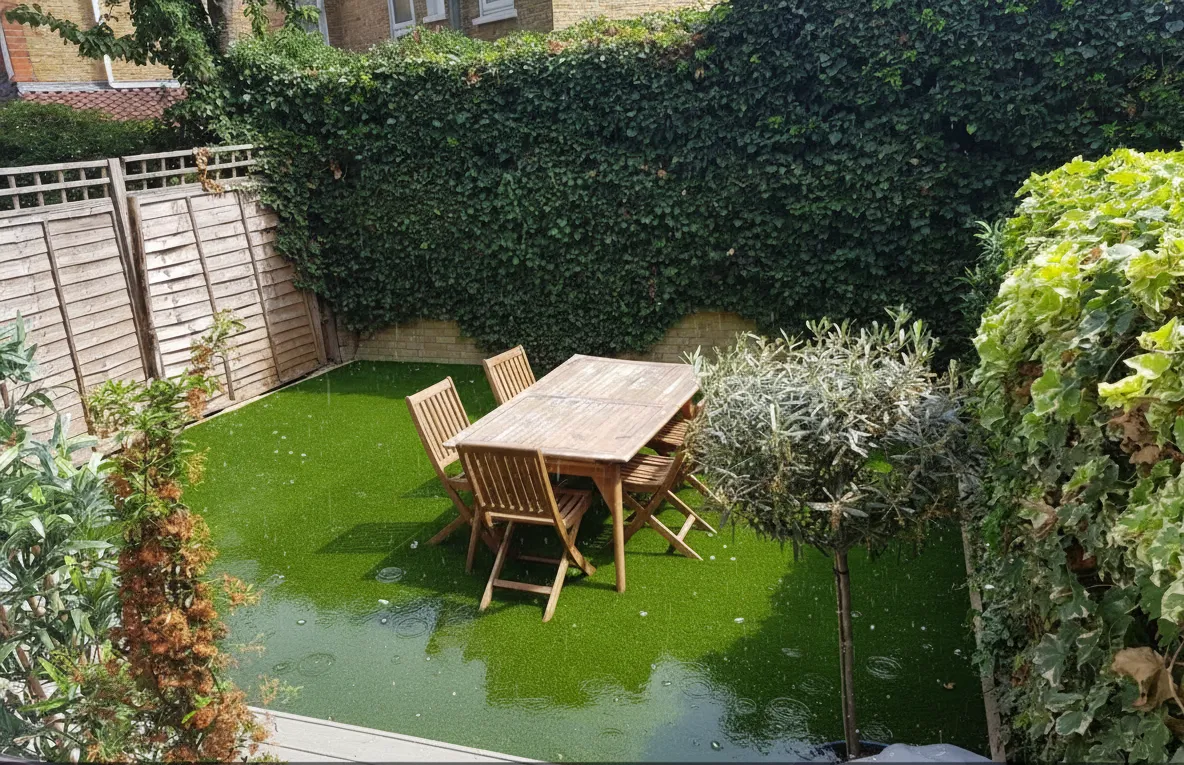
What Causes Artificial Grass Drainage Issues
Understanding why your artificial lawn isn’t draining properly makes it easier to fix.
Most drainage problems come from the base or how the artificial grass drainage system is installed, not the turf itself.
Here are the most common causes:
1. Wrong sub-base
Many installations use sand-only bases instead of the recommended MOT Type 1 or limestone. Without the right materials, water can’t flow through properly, causing pooling and soggy patches.
2. Not enough depth
A shallow sub-base doesn’t allow enough space for water to pass through. Even high-quality synthetic grass drainage can fail if the groundwork isn’t deep enough.
3. Poor compaction
Loose layers under the turf trap water instead of letting it move away. Properly compacted sub-bases are essential for consistent artificial grass drainage on soil or concrete.
4. Blocked drainage membrane
Weed membranes or drainage layers wrapped too tightly, clogged with soil, or blocked by debris can prevent water from passing through. This is a common cause of standing water on artificial lawns.
5. Incorrect gradient
A completely flat lawn won’t drain effectively. A slight slope is necessary to guide water away and prevent puddles.
6. Pet urine buildup
Drainage under artificial turf for dogs can get clogged over time with urine and organic debris. This not only slows water flow but can also cause odours and damage the infill.
Most of these issues are preventable with proper installation and maintenance.
At Superior Lawn, when installing astro turf in London, we make sure the sub-base, gradient, and drainage system are all correctly set up to keep your artificial lawn draining efficiently and looking perfect.
Recommended Read: The Complete Guide to Artificial Lawn Installation: Cost, Process & More
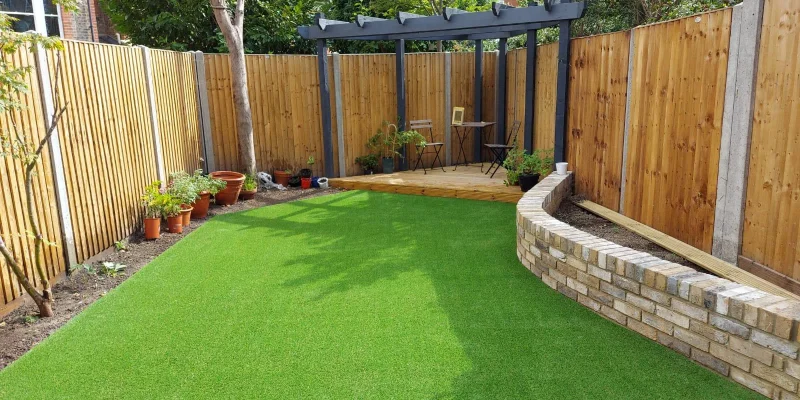
Quick Fixes for Common Synthetic Grass Drainage Problems
Not every drainage issue needs a full rebuild. Sometimes the surface just needs a bit of attention to get water moving again.
Here are a few simple fixes you can try before calling in help:
Power brush the lawn
A good brush lifts the fibres and loosens compacted infill.
This helps water pass through the artificial grass drainage layer instead of sitting on top.
Rinse the lawn properly
If you have dogs, urine salts can build up in the infill and slow down drainage under artificial turf for dogs. A deep rinse clears out that residue and usually removes any smell as well.
Break up compacted areas
Heavy foot traffic can press the layers down over time. Decompacting treatments or a stiff brush can reopen the gaps so water can drain again.
Clear the edges
Soil, mulch, and leaves often gather around the perimeter and block the synthetic grass drainage system. Clearing these edges can instantly improve water flow.
Create Better Airflow
If plants or borders hang over the turf, the surface stays damp for longer. A quick trim helps the ground dry out naturally.
These fixes are simple but surprisingly effective when the base is still solid.
Also Read: How To Clean Artificial Grass: The Only Guide You Need
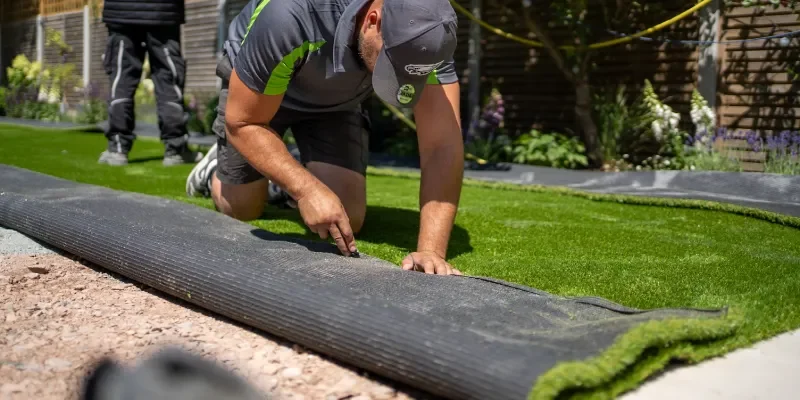
When Your Fake Grass Needs a Full Drainage Rebuild
If you’ve tried the quick fixes and nothing changes, the problem is almost always under the surface.
A poorly built base won’t drain properly, no matter how good the turf is.
In those cases, a full rebuild is the only way to get long-term results.
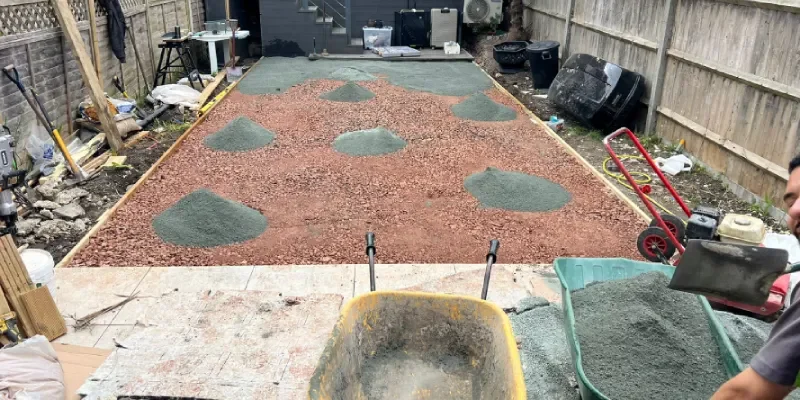
Removing and rebuilding the base
This involves lifting the turf, clearing out the old material, and starting again.
It sounds dramatic, but it’s the only way to fix an astro grass drainage system that was never installed correctly.
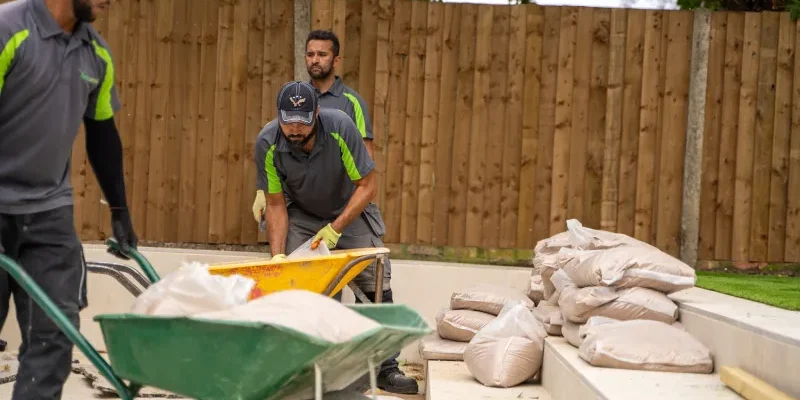
Using the right foundation materials
A proper base uses MOT Type 1 or limestone, not sand-only layers. These materials stay firm, drain well, and support healthy synthetic grass drainage.
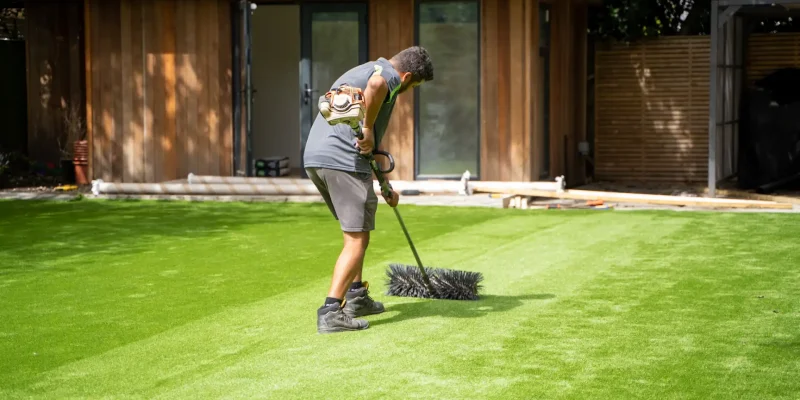
Re-levelling the area
The ground needs a slight gradient so water has a natural escape route. Rebuilding the base lets you fix dips, high spots, and sinking areas that trap water.
A full rebuild is a bigger job, but once it’s done properly, your lawn will drain well for years. No more puddles.
No more soft spots. Just a lawn that finally works the way it should.
Latest Read: How to Choose the Best Artificial Grass for Your Garden or Home
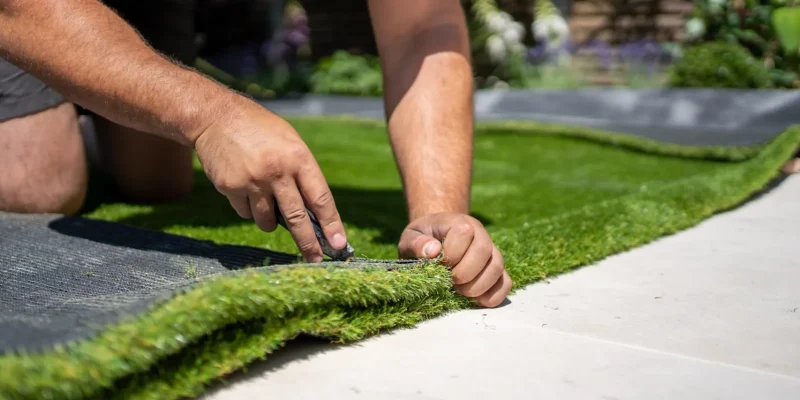
Preventing Future Artificial Lawn Drainage Problems
Once your lawn is draining properly, a few simple habits will keep it that way.
None of this is heavy maintenance — just small steps that help your artificial grass drainage system stay clear and consistent.
Brush the lawn regularly
A quick brush now and then keeps the fibres upright and stops the infill from compacting. When the surface stays open, water passes through much more easily.
Give it an occasional deep rinse
Rain helps, but it doesn’t remove everything. A proper rinse clears dust, pollen, and residue that can slow down synthetic turf drainage over time.
Use the right infill
Some infills drain better than others. If you have dogs, a pet-friendly infill stays cleaner and prevents blockages in the drainage under artificial turf for dogs.
It also helps control odours.
Check the edging
Edging that’s too high can trap water instead of letting it escape. Keeping those borders clear makes a big difference, especially during heavy rain.
Clean dog areas properly
Pet urine builds up faster than most people realise.
A quick wash or enzyme cleaner in the main dog spots keeps the drainage layer open and prevents smells from coming back.
If you keep on top of these small tasks, your lawn will stay firm, dry, and fresh — without the headaches you’re dealing with now.
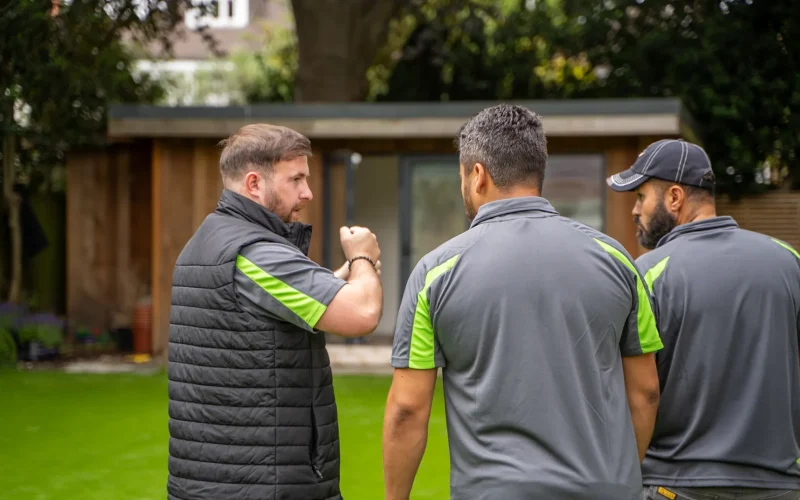
When to Call an Artificial Grass Specialist
Sometimes, a DIY fix isn’t enough — and that’s perfectly fine. Knowing when to call in a professional can save time, stress, and money.
You should consider contacting a reputable astro turf specialist like us, Superior Lawn, if you notice:
Pooling that lasts more than a day
Even after brushing and rinsing, water remains in patches. This usually points to base or drainage system issues.
Signs that the base has collapsed
Soft or sinking areas that don’t recover indicate the sub-base may need rebuilding.
Persistent smells despite cleaning
If odours linger in dog areas or high-traffic spots, it’s likely blocking or infill issues beneath the turf.
Obvious installation mistakes
Incorrect gradients, poorly compacted sub-bases, or blocked membranes often require professional intervention.
At Superior Lawn, we can assess your lawn with a free survey, identify the exact problem, and suggest the most effective solution — whether it’s a repair or a full drainage rebuild.
Final Thoughts
Artificial lawn drainage issues are common, but you can usually fix them. Most of the time, the turf itself works perfectly — the problem comes from the base, sub-base, or drainage system.
By spotting warning signs early, applying simple fixes, and maintaining your lawn regularly, you keep your artificial grass firm, dry, and looking perfect all year.
If the issue is more serious, we can step in to repair or rebuild the drainage system, ensuring your lawn drains properly and stays trouble-free for years.
People Also Ask
Does artificial grass drain well?
Yes, well-installed artificial grass drains efficiently. The turf itself is permeable, allowing water to pass through to the sub-base below.
Good drainage depends on the base, gradient, and infill, so a properly prepared sub-base ensures your lawn stays firm and dry even after heavy rain.
Does artificial grass cause drainage problems?
Artificial grass rarely causes drainage problems on its own. Most issues come from an improperly installed base, shallow groundwork, blocked membranes, or compacted infill.
With the right installation and maintenance, synthetic turf actually improves drainage compared to natural soil in some cases.
How does artificial grass drain on concrete?
When installed on concrete, artificial grass drains through the backing’s perforations into a prepared drainage layer, or directly off the edges.
It won’t absorb water like soil, so proper grading and edge preparation are crucial to avoid pooling. Superior Lawn ensures your turf has correct drainage even on hard surfaces.
How to install drainage for artificial grass?
To install drainage for artificial grass, start with a permeable sub-base such as MOT Type 1 or limestone, compacted well.
Ensure a slight slope for water runoff.
Lay a drainage membrane if needed, then roll out the turf and secure it with tape or edging. Finally, add suitable infill to keep water flowing and support the fibres.
Can artificial grass cause flooding?
Artificial grass itself doesn’t cause flooding. Flooding usually happens when the sub-base is poorly prepared, the ground is flat, or drainage is blocked.
Properly installed synthetic turf with the right slope and base directs water away safely.
Is artificial grass good for drainage?
Yes. When installed with a well-prepared sub-base, artificial grass allows water to pass through the turf quickly.
Unlike compacted soil or poor lawn areas, synthetic turf prevents puddles, keeps surfaces even, and maintains usable outdoor space during rain.
How does artificial grass drain water?
Artificial grass drains water through tiny perforations in the backing.
Water passes through the turf into the sub-base, where crushed stone or MOT Type 1 allows it to flow away naturally. Good installation ensures even heavy rain drains quickly without pooling.
Does artificial grass cause drainage problems?
This repeats the earlier question, but to clarify: drainage issues usually come from installation mistakes or a blocked base. The turf itself doesn’t block water — proper groundwork and maintenance keep the lawn draining efficiently.